There's nothing quite like the magic of camping, sleeping under a canopy of stars, and waking up to the sounds of nature. But that magic quickly fades when you're lying in a puddle inside your tent. A soggy tent floor is more than just an inconvenience; it can ruin your entire trip. Fortunately, keeping your tent floor dry in the rain doesn't require wizardry. With a little planning and these simple steps, you can transform your soggy nightmare into a dry and delightful experience.
Why bother with all this extra effort? Well, beyond the obvious comfort factor, a dry tent floor is crucial for a successful camping trip. Think about it: artists seeking inspiration in nature can't effectively sketch with cold, wet feet. Hobbyists, like bird watchers or stargazers, need a comfortable and dry basecamp for their expeditions. Even casual learners exploring the outdoors benefit from a safe and dry haven after a long day of hiking and discovery. A dry tent allows you to recharge, organize your gear, and enjoy the serenity of nature without the constant discomfort of dampness.
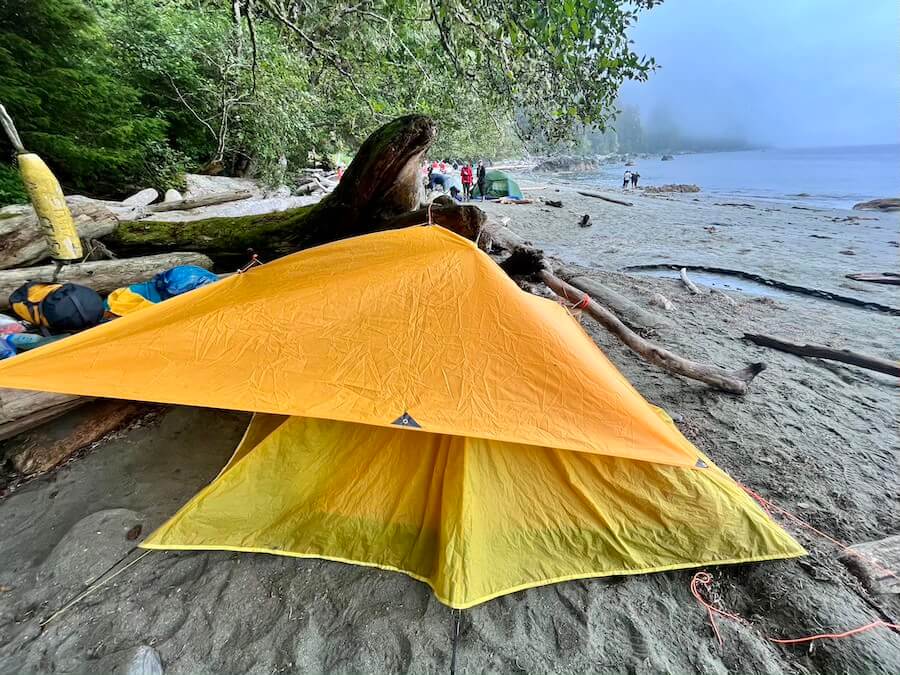
So, how do we achieve this dry haven? Let's start with the basics. First, consider the groundsheet. This is your first line of defense. You can use a tarp slightly smaller than your tent's footprint. Why smaller? Because you don't want the tarp extending beyond the tent, collecting rainwater and channeling it underneath. Think of it like an umbrella – it only works if it covers you!
Next, proper site selection is key. Avoid pitching your tent in low-lying areas where water tends to pool. Look for a slightly elevated spot and, ideally, one with natural drainage. Check for pre-existing puddles or signs of water flow. Don't underestimate the power of a good spot; it can make or break your camping experience. Inspect the surrounding area carefully before you even unpack your tent!
Now, let's talk about your tent itself. Ensure your tent's rainfly is properly installed and taut. This is your primary barrier against rain. Double-check that all seams are sealed. If your tent is older, consider re-sealing the seams with a seam sealer. This is a relatively inexpensive and easy way to significantly improve your tent's waterproofness.
Another pro-tip: create a barrier inside your tent. Use towels, blankets, or even dedicated absorbent mats to soak up any moisture that might sneak in. This extra layer of protection can be a lifesaver, especially during heavy downpours. Keep these absorbent materials readily available and consider rotating them if they become saturated.
Finally, remember to practice good tent hygiene. Avoid bringing mud or dirt inside. Use a doormat outside the entrance to wipe your shoes. Encourage everyone in your group to do the same. A little preventative maintenance goes a long way in keeping your tent dry and clean.
Trying to keep your tent floor dry might seem like a lot of work, but it's an investment in a more enjoyable and memorable camping experience. Ultimately, camping is about connecting with nature and creating lasting memories. A dry and comfortable tent allows you to focus on those experiences, rather than being constantly distracted by dampness and discomfort. So, go ahead, embrace the outdoors, and enjoy the satisfaction of a dry night under the stars!