Okay, picture this: the power's out. The lights are off, the fridge is slowly warming up, and... *gasp*... you have no water! That's right, the well pump is silent. But fear not, intrepid homeowner! There's a way to conquer this darkness and keep the water flowing: hooking your well pump to a generator. Sounds intimidating? Trust me, it's not rocket science (though if you are a rocket scientist, this will be a breeze!). Let's dive in and turn you into a power outage prepping pro!
Why Bother? (Besides, you know, needing water!)
Why should you even bother learning how to do this? Well, think about it. Running water is kind of a big deal. For drinking, obviously, but also for flushing toilets (let's be real, nobody wants *that* situation), washing dishes (hygiene, people!), and even showering (nobody wants to be *that* neighbor either). A generator-powered well pump means you can maintain a semblance of normalcy even when the grid decides to take a vacation. Plus, imagine the smug satisfaction you'll feel when all your neighbors are hauling water from questionable sources while you're enjoying a refreshing, pressure-controlled shower. Priceless!
And let’s be honest, a little bit of self-reliance is a pretty empowering feeling, right?
Safety First! (Seriously, this is important)
Before we get our hands dirty, let's talk safety. Electricity and water don't mix well (pun intended!), and generators can be... well, let's just say they're powerful. Always turn off the power to your well pump at the breaker box before messing with any wiring. This is non-negotiable. And if you're even slightly unsure about what you're doing, call a qualified electrician. No shame in that game! Your safety (and the safety of your loved ones) is far more important than saving a few bucks. Remember the saying, "Better safe than sorry?" It totally applies here. I can't stress this enough.
What You'll Need: The Gear Up
Okay, so you’re still reading. Good! That means you’re serious about getting this done safely and efficiently. Here's what you'll need to gather before you start:
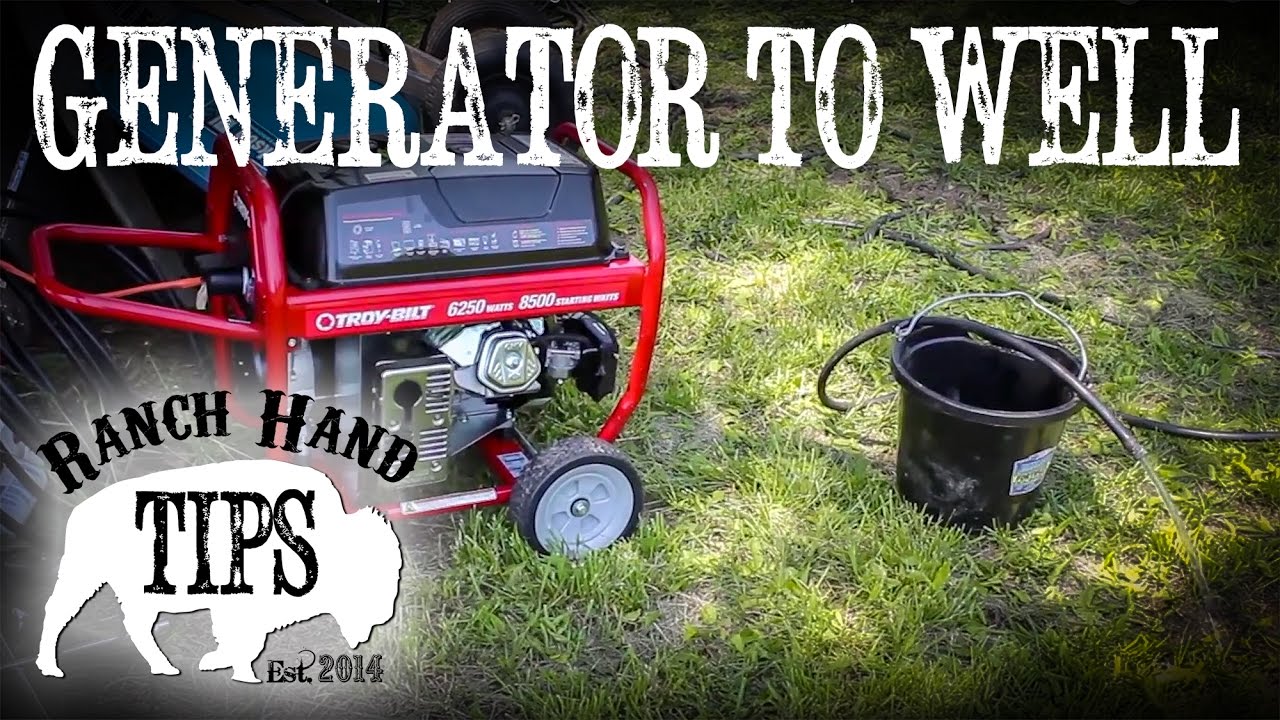
- A Generator: This is kind of the key ingredient. Make sure it's powerful enough to handle your well pump's starting wattage (which is usually much higher than its running wattage). Check your pump's specs or consult an electrician if you're unsure.
- Heavy-Duty Extension Cord: Don't skimp on this! Get a thick, outdoor-rated extension cord that can handle the amperage. A wimpy cord can overheat and cause a fire hazard.
- Double-Pole Double-Throw (DPDT) Transfer Switch (Recommended!): This is the safest and most convenient way to connect your generator. It allows you to switch between grid power and generator power without backfeeding electricity into the grid (which is very bad and potentially illegal).
- Wire Connectors: For making safe and secure electrical connections.
- Tools: Screwdrivers, wire strippers, pliers, and a multimeter (for testing).
- Safety Gear: Rubber gloves, safety glasses, and common sense!
The Hookup: Getting Down to Business
There are a couple of ways to connect your well pump to a generator. The simplest (but less safe) method is to just unplug your well pump and plug it directly into an extension cord connected to your generator. However, I *strongly* recommend using a transfer switch. It's much safer and protects your equipment (and the power company's equipment) from damage.
Using a Transfer Switch:
This involves installing a transfer switch near your breaker box. This switch will have two positions: one for normal grid power and one for generator power. When the power goes out, you simply flip the switch to the generator position and start your generator. The transfer switch isolates your well pump circuit from the grid, preventing backfeeding.
A Step-by-Step (Simplified) Guide: (Remember, consult the transfer switch's instructions and a qualified electrician for proper installation.)
- Turn off the main breaker! (Seriously, do it!)
- Install the transfer switch according to the manufacturer's instructions. This usually involves wiring it into your breaker box.
- Connect the generator input to the transfer switch.
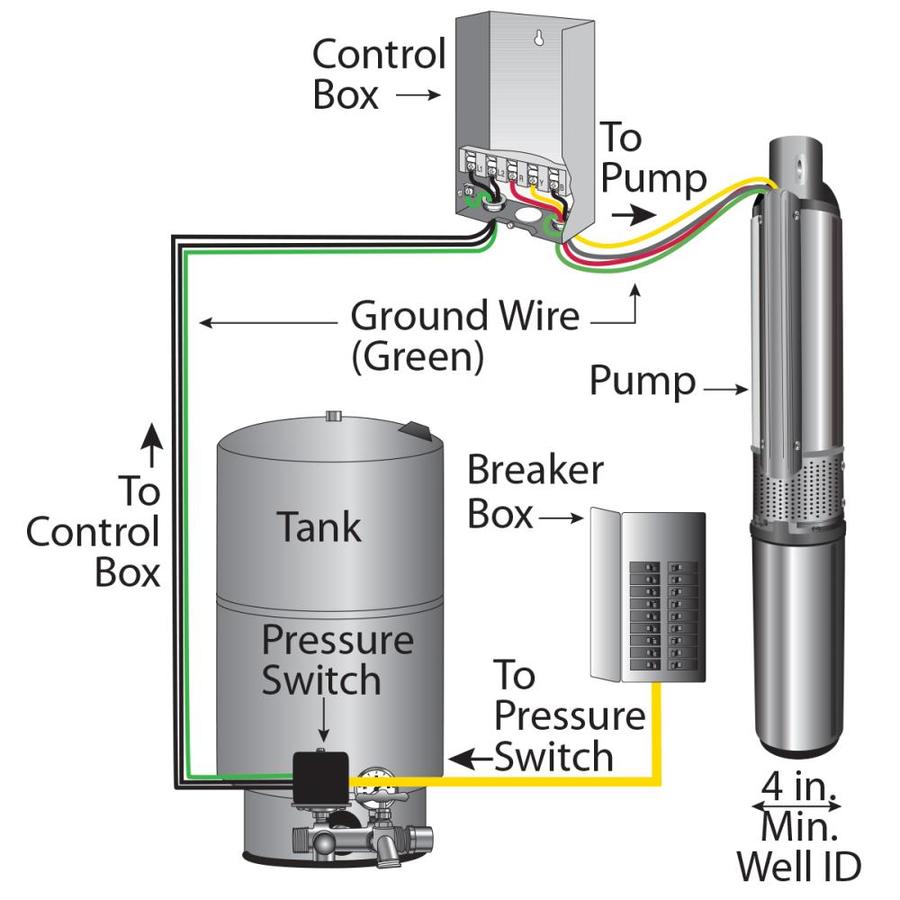
- Connect the well pump circuit to the transfer switch.
- Test the system by starting your generator and switching the transfer switch to the generator position. Your well pump should now be running.
See? Not so scary, is it? Okay, maybe a little scary. But with the right precautions and guidance, it’s totally doable!
Important Considerations
- Generator Size: Make sure your generator can handle the starting and running wattage of your well pump *and* any other appliances you plan to run.
- Fuel: Have plenty of fuel on hand for your generator. Running out of gas in the middle of a power outage is not fun.
- Maintenance: Keep your generator properly maintained. A well-maintained generator is a reliable generator.
- Carbon Monoxide: Never run a generator indoors or in an enclosed space. Carbon monoxide is a deadly gas.
You Did It! (Or You're About to!)
Congratulations! You've taken the first step towards becoming a power outage preparedness superstar. Hooking your well pump to a generator might seem daunting at first, but with a little research, careful planning, and maybe a call to a friendly electrician, you can conquer this challenge and ensure a steady supply of water for your home, even when the lights go out. Now, go forth and conquer the darkness (responsibly, of course!). You've got this!
This is just the beginning of your preparedness journey. There's a whole world of self-reliance and emergency preparedness out there waiting to be explored. Keep learning, keep practicing, and keep building your skills. You never know when they might come in handy!