Okay, picture this: I'm driving back from a camping trip, singing along to some questionable 80s power ballad (don't judge!), when suddenly my car starts sputtering like it's trying to cough up a fur ball. The engine light's on, flashing menacingly, and I'm stranded on the side of the road, surrounded by… well, trees. After a panicked call to my mechanic, his first question was, "Did you accidentally fill up with something other than gas?" I swore I hadn't. Then he asked, "Could there be water in your gas tank?" Water? In *my* gas tank? Turns out, it's a thing. And not a good one.
So, yeah, water in your gas tank. It's the unwanted guest at your car's party. It can cause all sorts of mayhem, from poor engine performance to, you guessed it, stranding you in the middle of nowhere. But don't panic! (Easier said than done, I know, especially when you're late for a very important date with a pizza). There are ways to deal with it.
Why Water Gets Into Your Gas Tank (and Why It's Bad)
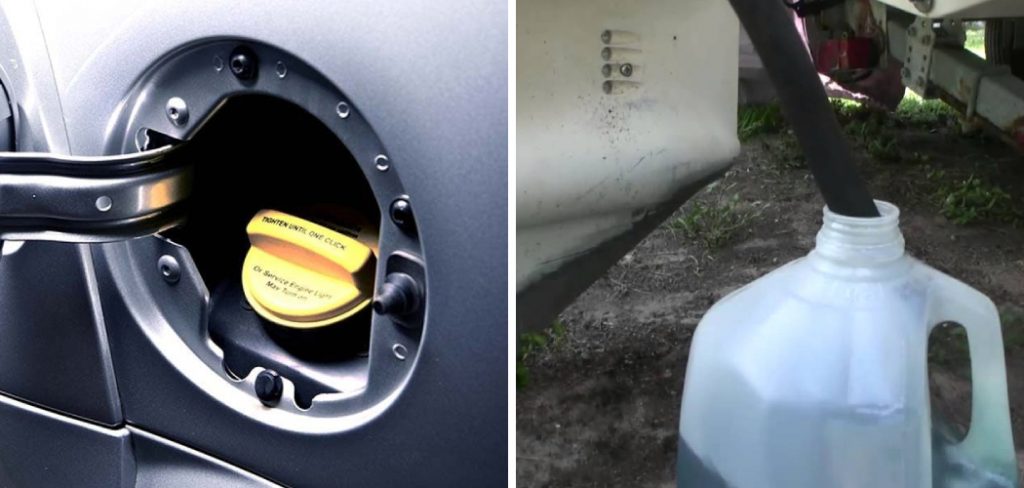
First, let's talk about why this happens. Water can get into your gas tank in a few ways. The most common culprit? Condensation. Temperature changes can cause water to condense inside the tank, especially if it's not full. It can also sneak in through a loose or damaged gas cap. Always make sure your gas cap is on tight! Seriously. It's a cheap and easy fix that can save you a lot of headaches.
And why is water so bad? Well, water and gasoline don't mix (duh!). Water is heavier, so it sinks to the bottom of the tank and gets sucked up into the fuel lines. This is a problem because your engine needs gasoline, not H2O, to run. The water can cause your engine to misfire, stall, or even damage internal components. Not ideal, right?
How to Get the Water Out: Your Options
Alright, let's get down to business. Here's how to evict that unwanted water from your gas tank.
1. Fuel Additives: The Quick Fix (Maybe)
There are fuel additives specifically designed to absorb water in your gas tank. These usually contain alcohol (like isopropyl or ethanol) that bonds with the water, allowing it to be burned off with the gasoline. Think of it as a tiny, watery Trojan horse. You can find these at most auto parts stores. Follow the instructions on the bottle carefully. This method works best for small amounts of water. If you suspect a lot of water, you'll need a more aggressive approach.
Side note: Some people swear by these additives, others think they're snake oil. I've had mixed results, to be honest. It really depends on the amount of water in your tank. Don't expect miracles!
2. Siphoning: The Hands-On Approach
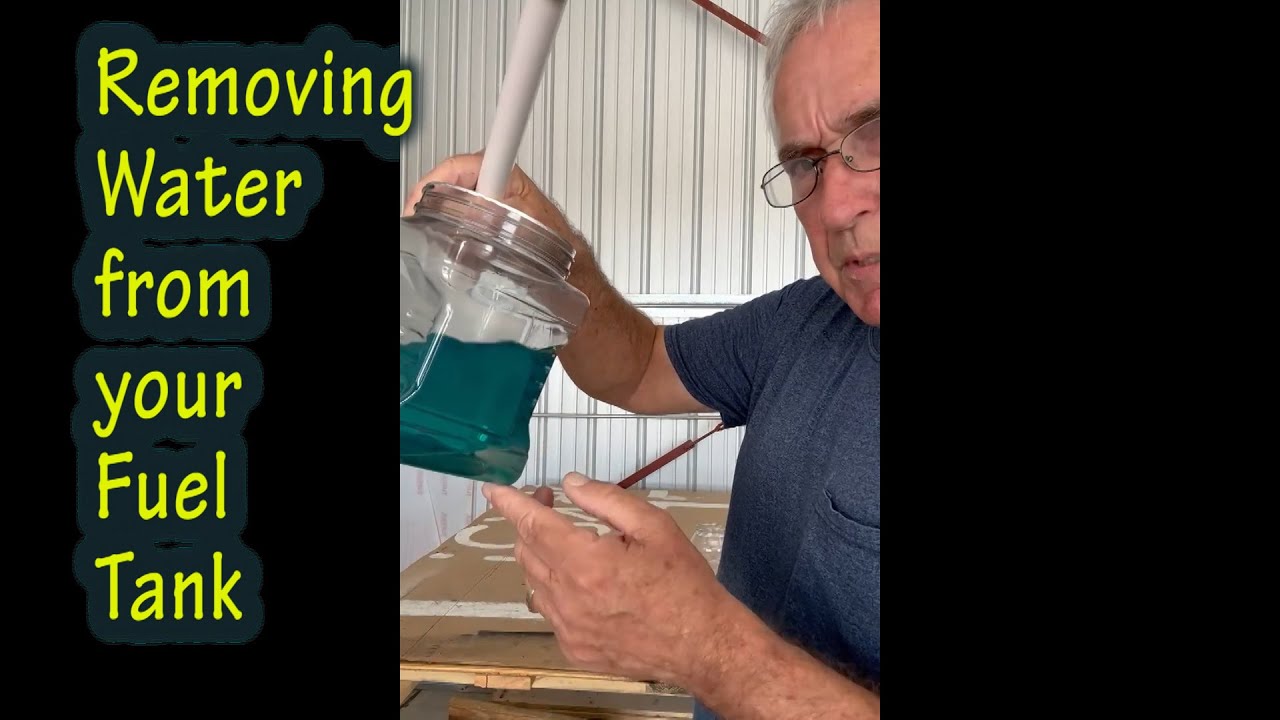
This is where things get a bit more… involved. Siphoning involves using a siphon hose to remove the water (and some gasoline) from the bottom of your gas tank. Important safety warning: Gasoline is flammable and its fumes are toxic! Work in a well-ventilated area, wear eye protection and gloves, and avoid any open flames or sparks.
You'll need a siphon hose (available at auto parts stores), a container to collect the gasoline and water (approved for gasoline storage, please!), and possibly a small pump to get the siphon started. Insert one end of the hose into the gas tank, making sure it reaches the bottom. Place the other end of the hose into your container. Start the siphon (either by sucking on the hose – carefully! – or using a pump) and let the gasoline and water flow out. Since water is heavier, it should come out first. Keep siphoning until you see mostly gasoline.
Pro Tip: Dispose of the contaminated gasoline properly. Don't just dump it down the drain! Contact your local hazardous waste disposal facility.
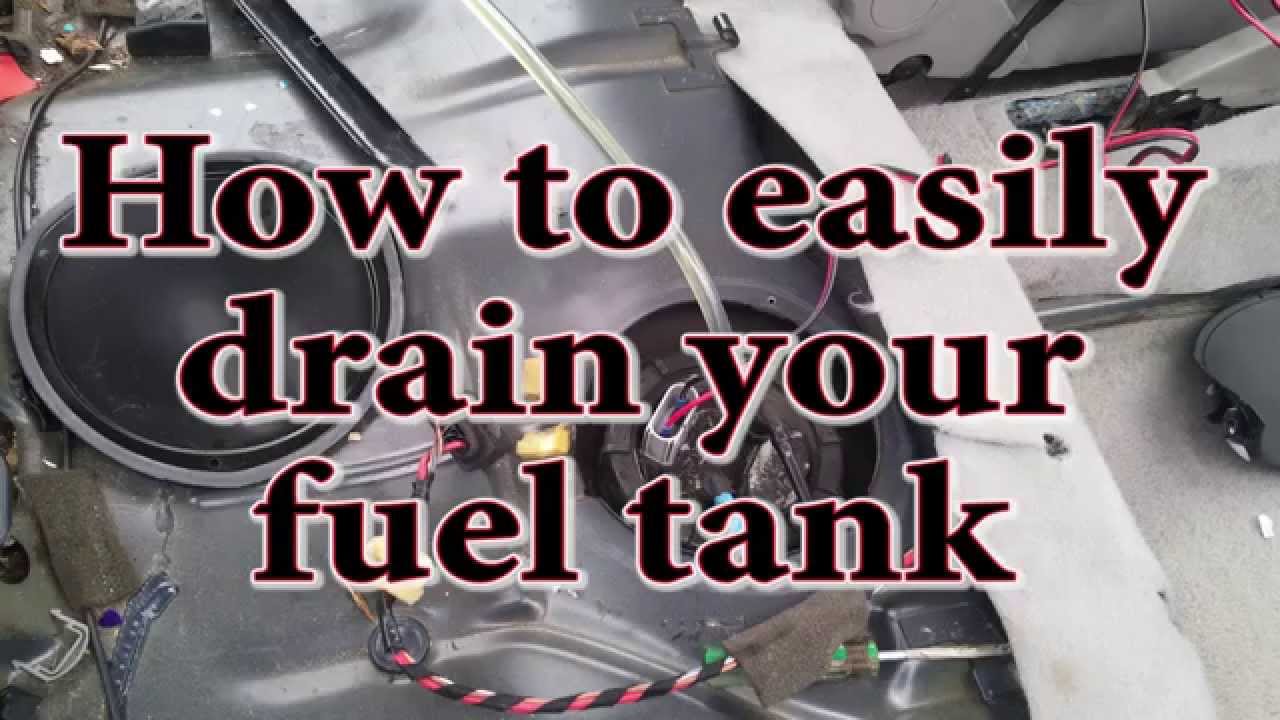
3. Draining the Tank: The Nuclear Option
If you suspect a significant amount of water in your gas tank, or if the previous methods haven't worked, you might need to drain the entire tank. This is the most thorough (and potentially the most messy) method. I highly recommend having a professional mechanic do this for you. It involves disconnecting the fuel lines and draining the gas tank completely. There are a lot of things that can go wrong, including damaging fuel lines or creating a fire hazard.
Seriously, unless you're a confident and experienced DIYer, leave this one to the pros. It's worth the cost to avoid potential injury or further damage to your car.
4. Professional Help: The Smart Choice
If all else fails, or if you're just not comfortable tackling this yourself (and there's no shame in that!), take your car to a mechanic. They have the tools and expertise to diagnose the problem accurately and safely remove the water from your gas tank. They can also check for any other damage caused by the water and make necessary repairs. Sometimes, paying a professional is the cheapest option in the long run. Think of it as an investment in your car's health and your own peace of mind.
So, there you have it. A few ways to tackle the dreaded water-in-the-gas-tank situation. Remember to stay safe, be careful, and if in doubt, call a professional. And maybe lay off the 80s power ballads. Just kidding! (Sort of).