Hunting for Signals: A Totally Doable Adventure!
Let's face it, nobody likes a fuzzy picture. Or worse, a screen that just shows snow! But fear not, friends! Getting a better antenna signal is surprisingly fun. It's like a mini-quest, a little treasure hunt in your own home. And the reward? Crystal clear TV! Who wouldn't want that?
First things first, give your antenna a good look. Is it looking sad and droopy? Maybe it's time for a change of scenery. Try moving it! Even a few inches can make a huge difference. It's like playing hide-and-seek with the TV signal. The goal is to find the sweet spot.
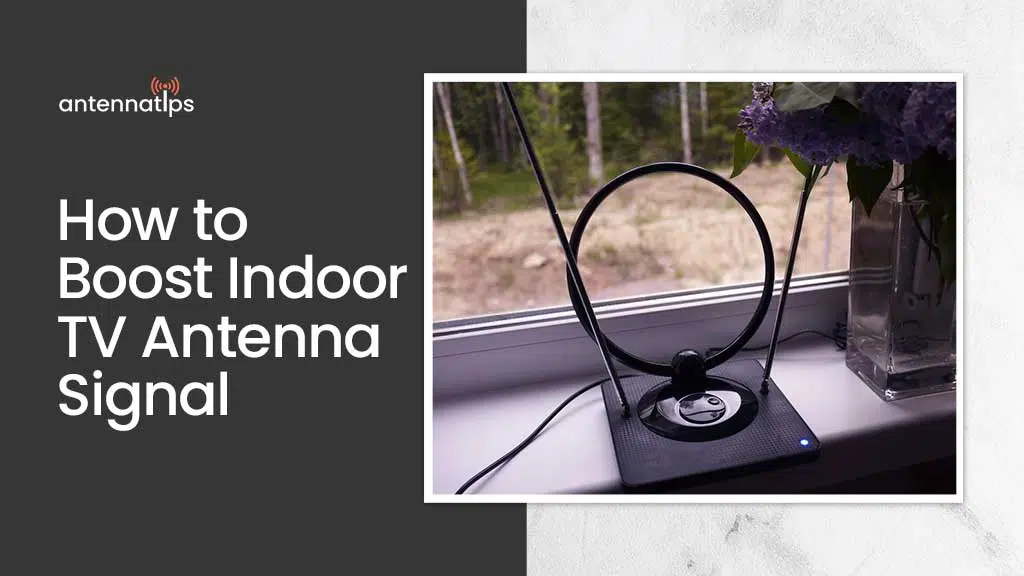
Think about windows. Are there any nearby? A window facing the direction of the broadcast towers might be your antenna's new best friend. Signals like a clear path, and glass is often better than a wall. It's like giving the signal a VIP lane right to your TV.
The Antenna Shuffle: It's a Real Thing!
This is where the fun really begins. Try different locations. High up? Low down? Near the window? Away from the window? Each spot offers a slightly different perspective. It's like your antenna is trying out different viewpoints to get the best picture. Think of yourself as a signal whisperer, guiding it to the perfect spot.
Don't be afraid to get creative! Experiment! You might find the perfect spot is somewhere totally unexpected. Maybe it's behind the couch. Maybe it's perched precariously on a bookshelf (be careful!). The point is to explore and see what works best.
Consider the "rabbit ears" type. These can be adjusted individually. Wiggle them around, point them in different directions. It's like giving each ear its own mission to capture the best signal possible.
Enemies of the Signal: Identifying the Bad Guys
Walls are often the enemy. Especially walls made of brick or concrete. These materials can block the signal. Try to minimize the number of walls between your antenna and the broadcast towers.
Metal objects can also cause interference. Big metal things like refrigerators and filing cabinets. Keep your antenna away from these if possible. It's like keeping the signal away from noisy distractions.
Even your neighbors can be signal bandits! Large buildings can block or reflect the signal. But you can't exactly ask them to move their house, can you? So focus on what you can control – your antenna's position.
Boosting Power: When More is More
Sometimes, you just need a little extra oomph. That's where antenna amplifiers come in. These little gadgets boost the signal strength. Think of it as giving your antenna a shot of espresso.
Before you rush out and buy one, do a little research. Make sure you get the right type for your antenna. And remember, more power isn't always better. Too much amplification can actually worsen the signal. It's all about finding the right balance.
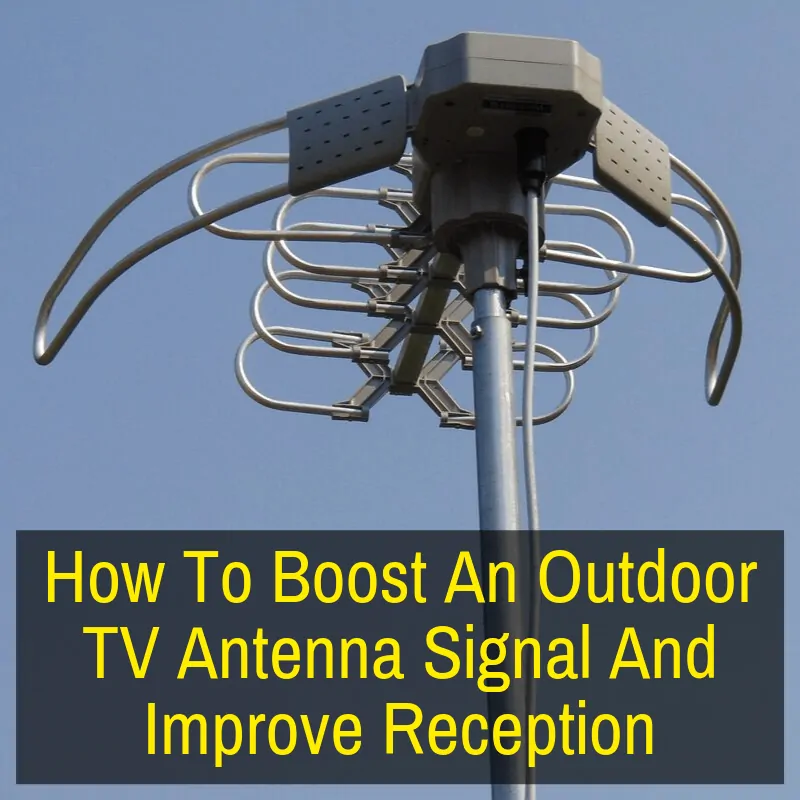
Consider an outdoor antenna. These antennas are typically larger and more powerful. They are designed to pick up weaker signals from farther away. It’s like sending out a search party to find the signals that are hiding.
The Final Frontier: Channel Scanning and Fine-Tuning
Once you've found the perfect antenna location, it's time to rescan your TV. This tells your TV to search for all the available channels. Make sure to do this after every time you move the antenna.
And remember, patience is key. Getting a better antenna signal can take some time and effort. But the reward is well worth it: free, crystal-clear TV! So grab your antenna, get comfortable, and prepare for a signal-hunting adventure! You might just surprise yourself with what you can achieve. And you might even learn a thing or two about how those invisible signals work their magic.
Most importantly, have fun! Treat it like a game. The prize is a world of entertainment at your fingertips. So go forth and conquer the airwaves!
Good luck, and happy viewing! Remember to consult resources from FCC (Federal Communications Commission) and AntennaWeb for more detailed information.
You can even use a
signal strength meterto get an objective measurement of your signal. This can help you pinpoint the best location for your antenna.