Okay, picture this: it's 3 AM. You're half-asleep, stumble to the bathroom, and turn on the tap for a glass of water. *bzzt…shhhh…bzzt* The water sputters, then stops, then sputters again. Your well pump sounds like it's having a seizure, flipping on and off faster than a teenager's mood swings. Been there? Yeah, me too. That, my friend, is the dreaded short cycling.
Short cycling, in a nutshell, means your well pump is turning on and off way too frequently. It’s like a nervous tic for your plumbing system. Not only is it annoying (especially at 3 AM!), but it's also really bad for your pump. All that starting and stopping puts a ton of strain on the motor, leading to premature burnout. Think of it as making your car constantly do stop-and-go traffic - eventually something is going to break.
So, what's causing this pump panic? And more importantly, how do we fix it? Let's dive in.
Common Culprits Behind the Cycling Chaos
1. Low Well Water Level: The simplest explanation is often the correct one. If your well water level is too low, the pump might be sucking air along with water. Air in the system makes it harder to maintain pressure, leading to short cycling. This is more likely to be a problem during dry seasons, obviously.
Pro-tip: Check your well's water level if you haven't done that recently. You can usually do this with a weighted line or a special well-level meter. If it’s low, conserve water use and call a professional. You can seriously damage your pump running it dry!
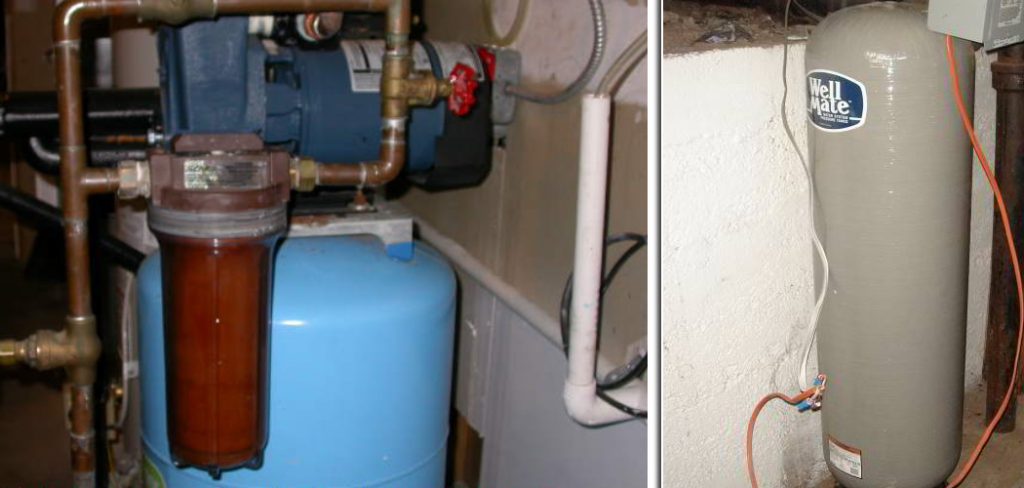
2. Pressure Tank Problems: Your pressure tank is basically a water-filled balloon with compressed air. It’s designed to store water under pressure so your pump doesn’t have to kick on every time you open a faucet. When the tank fails – whether it’s lost its air charge or the bladder is damaged – your pump has to work overtime.
Think of the pressure tank as the battery of your well water system. If the battery is dead, the system can't maintain adequate water pressure.
Here's what to check:
- Air Charge: Use a tire pressure gauge (yes, like the one for your car tires!) to check the air pressure in the tank. It should be 2 PSI below the cut-in pressure of your pump. The cut-in pressure is the pressure at which your pump starts.
- Waterlogged Tank: Tap on the side of the tank. If it sounds completely full of water from top to bottom, the bladder might be ruptured. This is a common problem.
If the air charge is low, you can try adding air with an air compressor. If the tank is waterlogged, sadly, it's probably time for a new one. Don't cheap out on this! Get a good quality tank – your sanity will thank you.
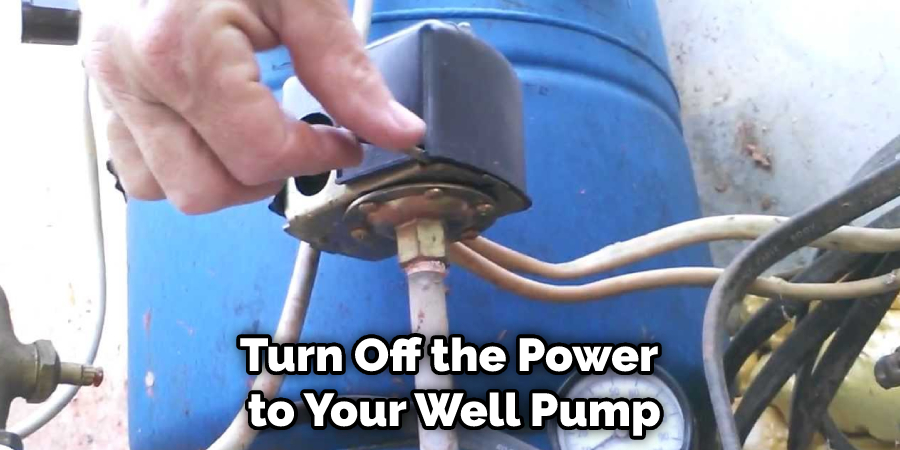
3. Pressure Switch Issues: The pressure switch is the brain of the operation. It senses the water pressure and tells the pump when to turn on and off. If the switch is faulty, it might be sending incorrect signals, causing the pump to short cycle. Sometimes, they just get gunked up with sediment too!
Remember: Electricity and water are a dangerous combination. If you're not comfortable working with electrical components, call a qualified electrician!
Here's what you can do:
- Check the Contacts: Carefully inspect the contacts inside the pressure switch for corrosion or debris. You might be able to clean them with a wire brush or contact cleaner.
- Adjust the Settings: Some pressure switches have adjustable settings. Consult your owner's manual to make sure they're properly calibrated.
If cleaning or adjusting doesn't help, it might be time to replace the switch. They're relatively inexpensive and easy to install.
4. Leaks in the System: Even a small leak can cause a pressure drop, which in turn can trigger the pump to cycle on and off frequently. Check all your pipes, fittings, and faucets for any signs of leaks. Don't forget to check the foot valve in the well – a leaky foot valve can also cause short cycling.
5. Clogged or Restricted Pipes: Mineral buildup or sediment can clog pipes, restricting water flow and causing pressure fluctuations. This is especially common in older homes with galvanized steel pipes.
Irony alert: sometimes the "solution" (a water softener) can CAUSE some pipe clogging with some sediment deposits, if the water chemistry isn't right. Food for thought.
Okay, I've thrown a lot at you. If all this sounds overwhelming, don't despair! Troubleshooting well pump problems can be tricky. Sometimes, the best course of action is to call a qualified well pump technician. They have the experience and tools to diagnose the problem quickly and efficiently. But hopefully, armed with this knowledge, you have a better understanding of what's going on and can avoid getting ripped off.
Good luck, and may your well pump run smoothly and quietly!