Okay, so the lights went out, again? Don't panic! We've all been there. You're probably staring at a wall wondering if the house is haunted, or if the power company just decided to take an unscheduled vacation.
Spoiler alert: it's probably just a blown circuit breaker. Let's get that juice flowing again!
Finding the Culprit: The Breaker Box
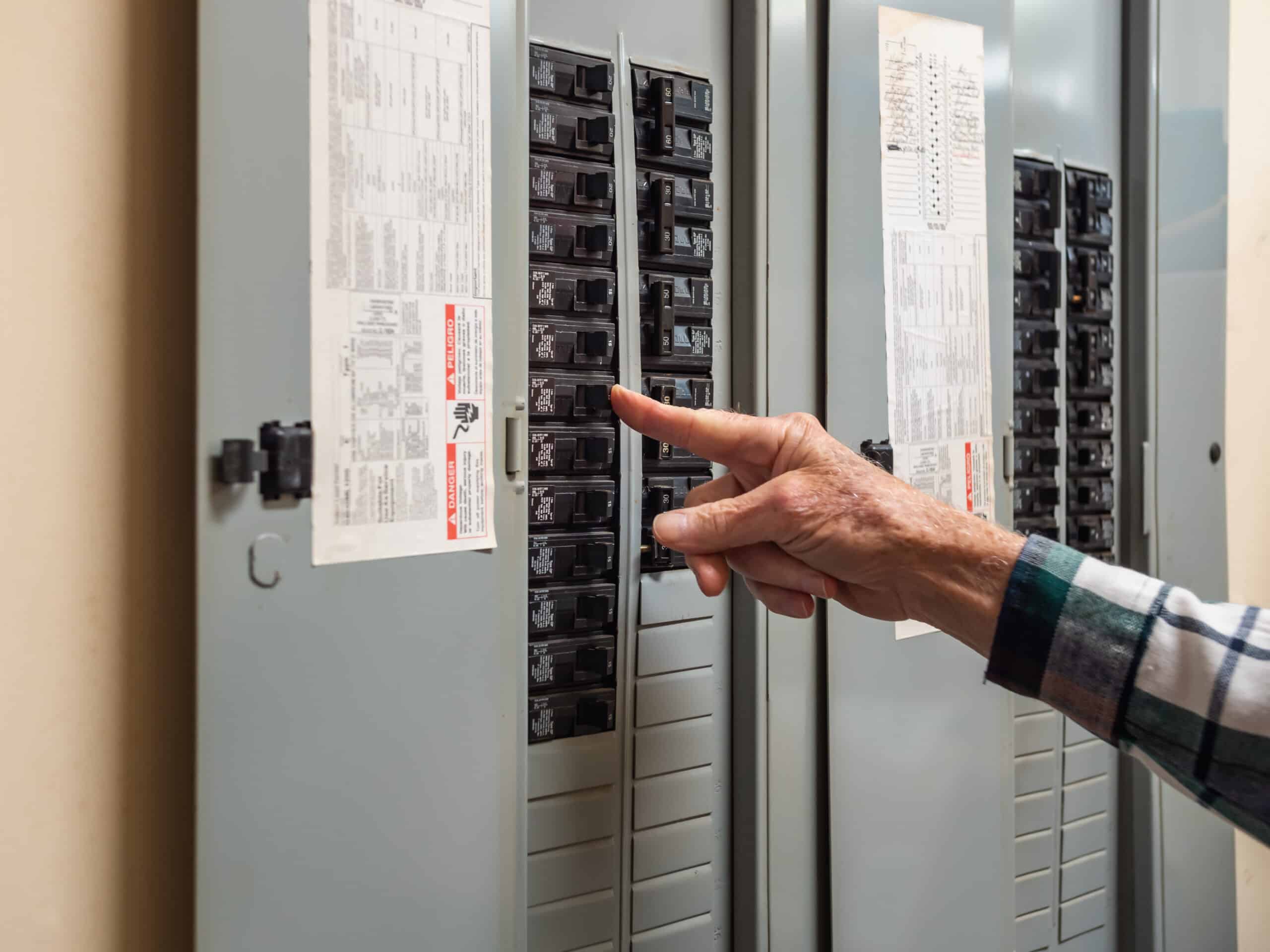
First things first, we need to find the breaker box. Usually, it's lurking in the basement, garage, or even a closet. It looks like a gray or beige metal cabinet, often labeled with cryptic warnings about not sticking your fingers where they don't belong.
Resist the urge to poke anything without reading further. Think of it as a really boring treasure chest, except instead of gold, it holds the key to getting your Netflix binge back on track.
Open Sesame! (Safely, of Course)
Open the door to the breaker box. Inside, you'll see a row of switches, like tiny little levers controlling the destiny of your appliances. Each switch should be labeled, hopefully. If not, that's a project for another day – label makers are your friend!
Look for a switch that's in the "off" position, or maybe somewhere in between "on" and "off." That's our guy!
Sometimes, it's not super obvious which one tripped. Give each switch a good, hard look. You're hunting for the rebel, the black sheep of the switch family.
The Big Flip: Resetting the Breaker
Now for the magic trick. To reset a tripped breaker, you need to be firm. We are in charge!
First, push the switch all the way to the "off" position. Even if it looks like it's already off, give it a little shove just to be sure.
Then, flip it all the way to the "on" position. Like you are starting a car.
Did the lights flicker back on? Victory is yours! Go forth and conquer that mountain of laundry (or that next level on your video game – no judgment here).
Uh Oh, It Keeps Tripping!
Sometimes, you flip the switch and *poof*, it trips again immediately. This is not the fun kind of magic.
This means there's a problem – most likely an overload. Think of it like trying to squeeze too much juice through a tiny straw. Your electrical system is saying, "Nope, not gonna happen."
Unplug some things! That hairdryer, the space heater, that antique waffle iron you inherited from Aunt Mildred – whatever you think might be drawing too much power on that circuit.
Try resetting the breaker again after unplugging some appliances. See if the lights stay on this time.
If it trips immediately every single time no matter what you unplug, you might have a more serious issue. This is where you call in the pros. Don't mess around with electrical problems – it's not worth risking a fried circuit (or a fried you!).
Preventing Future Blowouts: A Little Electrical Wisdom
Now that you're a certified breaker-resetting ninja, let's talk about preventing future blackouts. A little foresight can save you from stumbling around in the dark again.
Don't overload circuits! Be mindful of what you're plugging into the same outlet or circuit. Every appliance has a wattage rating. Imagine them all vying for the same limited amount of electrical power.
High-wattage appliances like space heaters, hair dryers, and microwaves are notorious circuit-breakers. Try to spread them out across different circuits. Your toaster oven doesn't need to be best friends with your electric kettle.
Power Strips: Friend or Foe?
Power strips can be lifesavers, but they can also be sneaky overloaders. Just because you can plug six things into a power strip doesn't mean you should. Think of it as an electrical buffet – moderation is key.
Make sure your power strip has a surge protector built in. This will help protect your electronics from power spikes, which can also cause breakers to trip.
Old Wiring? Time for an Upgrade!
If you live in an older home, your electrical wiring might be outdated and struggling to keep up with modern demands. We are in the modern age.
Consider having an electrician inspect your wiring. They can tell you if it's time for an upgrade to handle your power needs safely. Think of it as giving your house a much-needed electrical facelift.
Troubleshooting Like a Pro
Sometimes, the problem isn't an obvious overload. Here are a few other things to consider if your breaker keeps tripping.
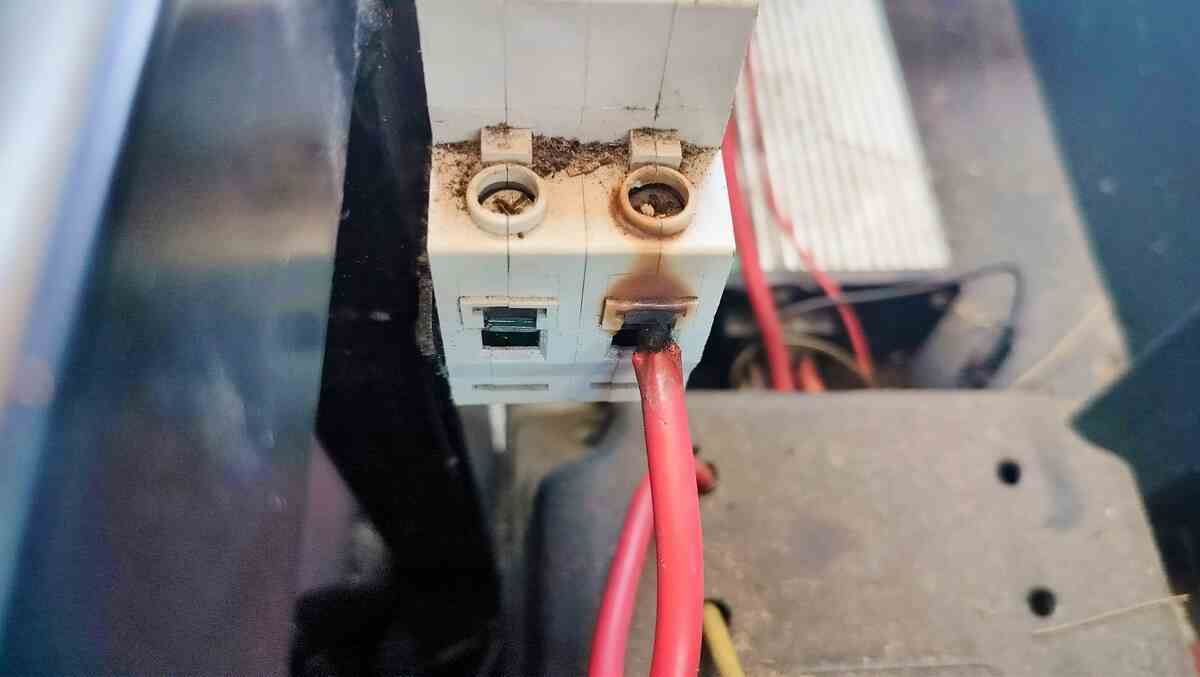
Short circuits: A short circuit happens when electricity takes an unintended shortcut. This usually involves damaged wiring or faulty appliances. This is dangerous, and you should call an electrician.
Ground Faults: A ground fault is similar to a short circuit, but it involves electricity escaping its intended path and finding a path to ground. Ground fault circuit interrupters (GFCIs) are designed to protect you from these types of faults. If you have a GFCI outlet tripping repeatedly, there could be a problem with the outlet or the wiring.
When in Doubt, Call a Professional
Let's be real. Electricity is powerful stuff. If you're not comfortable working with it, or if you've tried everything and your breaker still won't stay on, it's time to call in the pros.
A qualified electrician can diagnose the problem and fix it safely. Don't risk your safety or your home by trying to DIY something you're not comfortable with.
Think of it as calling a doctor when you have a medical problem. It's better to be safe than sorry.
So there you have it! You're now armed with the knowledge to tackle most common blown circuit breaker situations. Go forth and conquer the darkness!
Remember, a little bit of electrical knowledge can go a long way. And if all else fails, there's always candlelight... just kidding! Call an electrician.
:max_bytes(150000):strip_icc()/safely-install-a-circuit-breaker-1152745-03-d92d49657a664c6ba820c461a0643f24.jpg?strip=all)