Let's face it, electricity is pretty magical. We flip a switch, and light appears. We plug in our phones, and they miraculously recharge. But behind all that convenience is a fascinating world of circuits, voltage, and current, all working together to deliver power. And understanding how to find that power? Well, that's where things get really interesting.
Why bother learning about electrical power, you ask? It's not just for engineers and electricians! Knowing how to calculate power in a circuit can be incredibly useful in everyday life. Think about it: are you constantly blowing fuses in your kitchen when you use the microwave and toaster oven at the same time? Understanding power calculations can help you avoid that frustrating scenario by figuring out how much electricity your appliances are drawing. Perhaps you're considering installing solar panels. Calculating power will let you estimate how much energy you can generate and whether it will meet your needs. In essence, knowing how to find power empowers you to be a more informed and responsible consumer of electricity.
You see examples of power calculations all around you. Electric bills are based on the amount of power you consume over time (measured in kilowatt-hours). The wattage rating on your light bulbs indicates the power they consume. Electric vehicle charging stations deliver power to your car's battery. Even the humble USB charger has a power rating that determines how quickly it can charge your devices. Understanding these numbers allows you to make better choices about energy efficiency and cost.
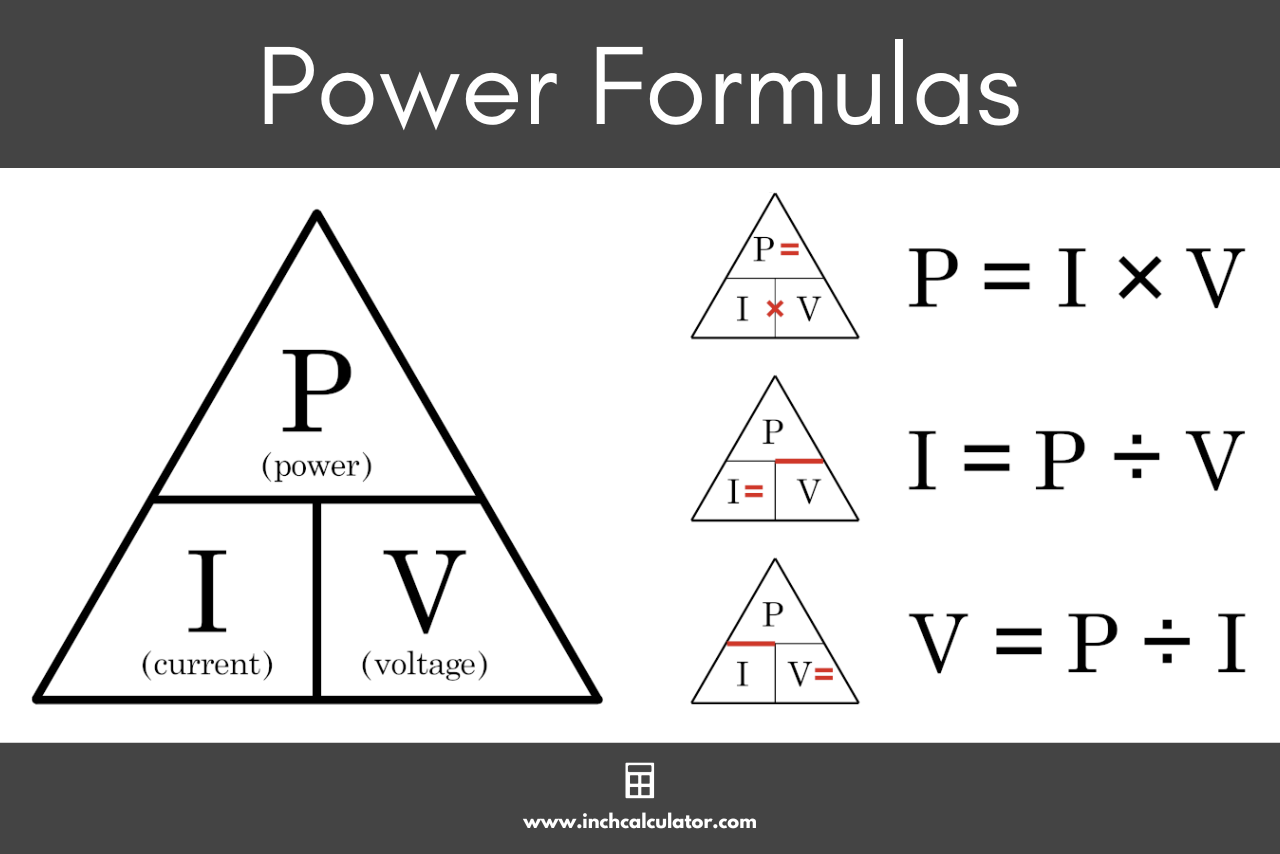
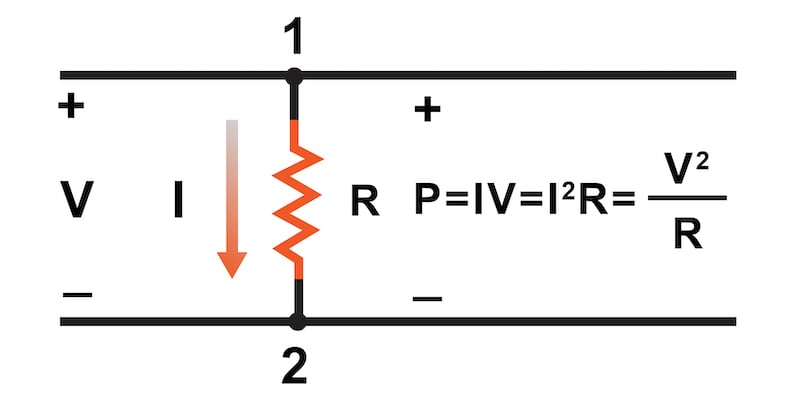
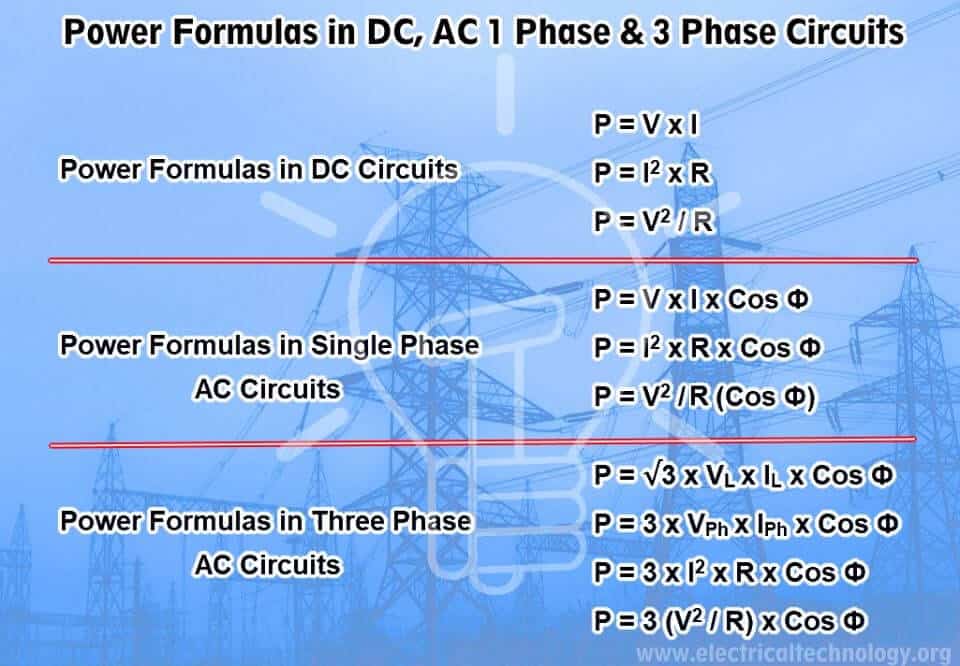
So, how do we find this elusive power? The most fundamental equation is: Power (P) = Voltage (V) x Current (I). That’s right, it’s that simple! Power is measured in watts (W), voltage in volts (V), and current in amperes (A). If you know the voltage across a component and the current flowing through it, you can easily calculate the power it's consuming (or delivering).
Here are some practical tips to help you enjoy finding power more effectively:
- Start with the basics: Familiarize yourself with the definitions of voltage, current, and resistance. Ohm's Law (V = IR) is another crucial tool in your arsenal. Understanding these concepts will make power calculations much easier.
- Use a multimeter: A multimeter is your best friend for measuring voltage and current in a circuit. Learn how to use it safely and accurately.
- Draw circuit diagrams: Visualizing the circuit can help you understand the flow of current and voltage.
- Practice, practice, practice: Work through examples and problems. Start with simple circuits and gradually increase the complexity.
- Don't be afraid to experiment: Build your own simple circuits (safely, of course!) and measure the power consumption of different components. This is a great way to learn by doing.
- Safety first: Electricity can be dangerous. Always disconnect power before working on a circuit and follow proper safety precautions. When in doubt, consult a qualified electrician.
Finding the power in a circuit isn't just about crunching numbers. It's about gaining a deeper understanding of how electricity works and how it powers our modern world. So, grab your multimeter, dive in, and unlock the power of knowledge!