Ever wondered how long that battery in your phone, camping lantern, or even your electric car will actually last? Knowing the amp hours (Ah) of a battery is like having a superpower – you can predict how much juice you've got! It's a bit like knowing how much water is in a tank; more amp hours generally means more runtime. Figuring this out isn't as daunting as it sounds, and it unlocks a world of possibilities for managing your power needs.
Why is this useful, you ask? Well, for beginners just getting into electronics, understanding amp hours helps avoid common pitfalls like accidentally draining a battery too quickly. For families planning a camping trip, knowing the Ah of their portable power station means accurately estimating how long their devices will stay charged in the great outdoors. And for hobbyists tinkering with solar panels or building their own electric vehicles, amp hours are crucial for calculating system capacity and ensuring everything works smoothly. Imagine building a robot and knowing *exactly* how long it will run on a single charge – pretty cool, right?
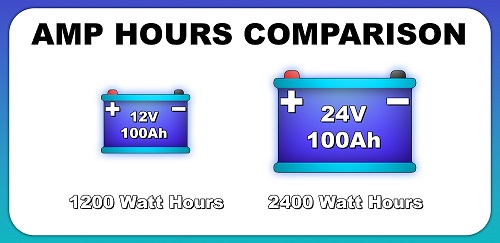
So, what exactly *are* amp hours? Simply put, it's a measure of how much current (in amps) a battery can deliver for one hour. A 10Ah battery can theoretically provide 10 amps for one hour, or 1 amp for 10 hours. Keep in mind that this is a theoretical maximum, and real-world performance can vary based on factors like temperature and the load placed on the battery. There are variations to consider too. Some batteries have a C-rating, which indicates how quickly they can be discharged safely. A higher C-rating means a faster discharge rate is permissible. Think of it like pouring water from a jug – a higher C-rating means you can pour the water faster without spilling.
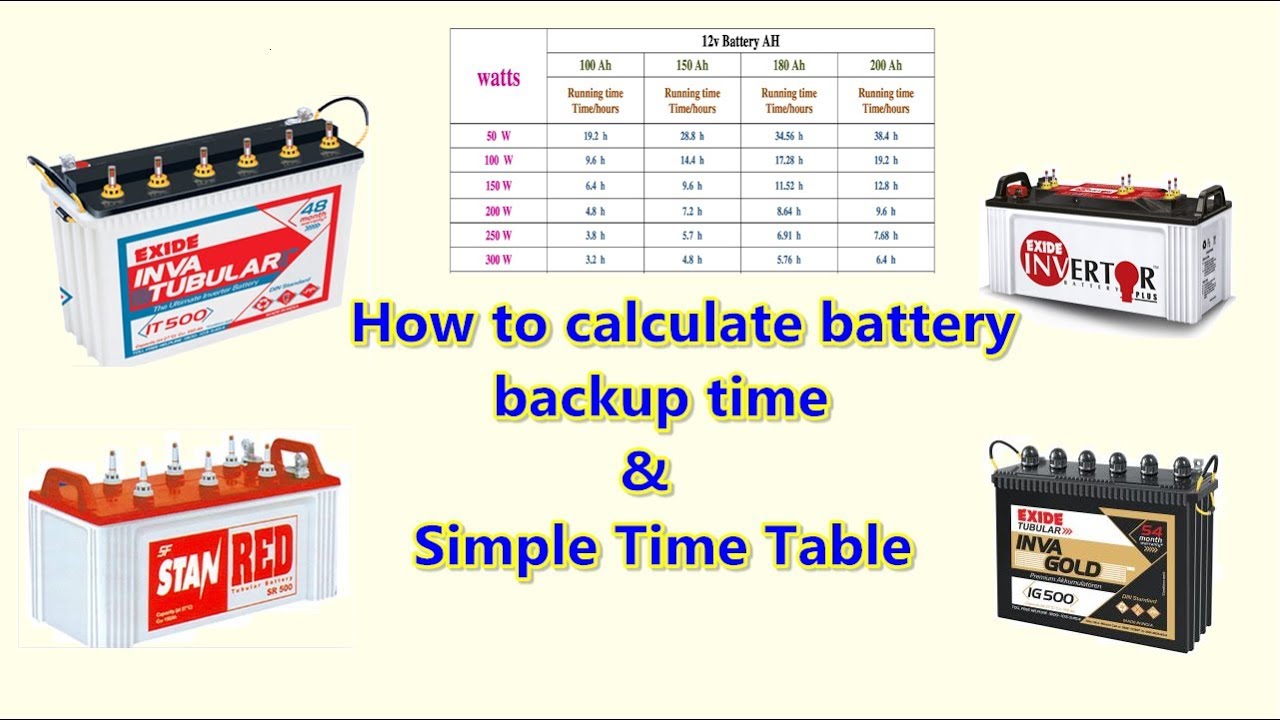
Okay, enough theory! How do you actually find the amp hours of a battery? The easiest way is to check the battery label. Manufacturers almost always print the Ah rating directly on the battery. Look for something like "12V 7Ah" (which means 12 volts and 7 amp hours) or "100Ah." It might be a bit small, but it's usually there. If you can't find it on the label, consult the battery's datasheet or manufacturer's website. These resources often contain detailed specifications, including the Ah rating. Finally, if all else fails, you can try to estimate the Ah rating using the battery's dimensions and chemistry. This is more complex and requires some research, but there are online calculators that can help. However, relying on the label or datasheet is always preferable for accuracy.
Simple tips for getting started: Start by checking the label – it's almost always the quickest and easiest method. Familiarize yourself with common battery voltages (like 12V for car batteries or 3.7V for phone batteries) to help you interpret the Ah rating correctly. Don't be afraid to use online resources – there are tons of helpful guides and calculators available. And most importantly, practice! The more you work with batteries and power systems, the easier it will become to understand and apply the concept of amp hours.
Finding the amp hours of a battery isn't just about numbers; it's about empowering yourself to make informed decisions about your power usage. It allows you to plan adventures, build amazing projects, and avoid those frustrating moments when your devices run out of juice unexpectedly. So, go forth and explore the world of amp hours – you might be surprised at how much fun you have!