Okay, let's talk about keeping your generator dry! Imagine your generator is a grumpy cat. It hates getting wet. And when a generator gets wet, it throws a tantrum that involves sputtering, refusing to start, and possibly emitting sad little coughs of mechanical despair. We definitely don’t want that, do we? Think of covering your generator as giving that grumpy cat a cozy, waterproof blanket.
The Cardboard Castle (and why it’s a terrible idea)
I know, I know. Your first instinct might be to grab that leftover Amazon box and construct a majestic cardboard fortress around your generator. Resist! Cardboard and water have a love affair – a messy, soggy, and ultimately useless love affair. Picture this: the rain starts, your cardboard castle crumbles, and your generator is now wearing a soggy cardboard hat. Not ideal.
The Tarp Tango: A Classic Solution (with a few caveats)
Ah, the trusty tarp! Tarps are like the duct tape of the weatherproofing world. They’re versatile, readily available, and come in a rainbow of… well, mostly blue and green. But using a tarp effectively requires a little finesse. Don't just haphazardly drape it over your generator like you're gift-wrapping a particularly lumpy present. That's a recipe for disaster. Here’s how to do the tarp tango:
Raise the Roof (Without Actually Building a Roof)
The key is creating an air gap. Think of it like building a mini-tent over the generator. You want to prevent the tarp from touching the generator directly. Why? Because a wet tarp touching a hot generator is like putting a damp towel on a lightbulb – it’s just not a good time for anyone involved. You can use wooden stakes, sturdy boxes (plastic, please!), or even strategically placed buckets to create a frame. Just make sure whatever you use is stable and won't topple over in a gust of wind.
Secure Those Corners!
Now, secure that tarp! This is where bungee cords and rope become your best friends. Think of it as lashing down the hatches on a pirate ship before a storm! Make sure the tarp is taut and secure, but also allows for airflow. Remember, your generator needs to breathe. Imagine trying to run a marathon wearing a plastic bag over your head. Not fun, right? Same goes for your generator. Leave some space around the bottom for ventilation. Think of it as giving your generator a little breathing room so it doesn't get claustrophobic.
The Generator Tent: The Cadillac of Coverage
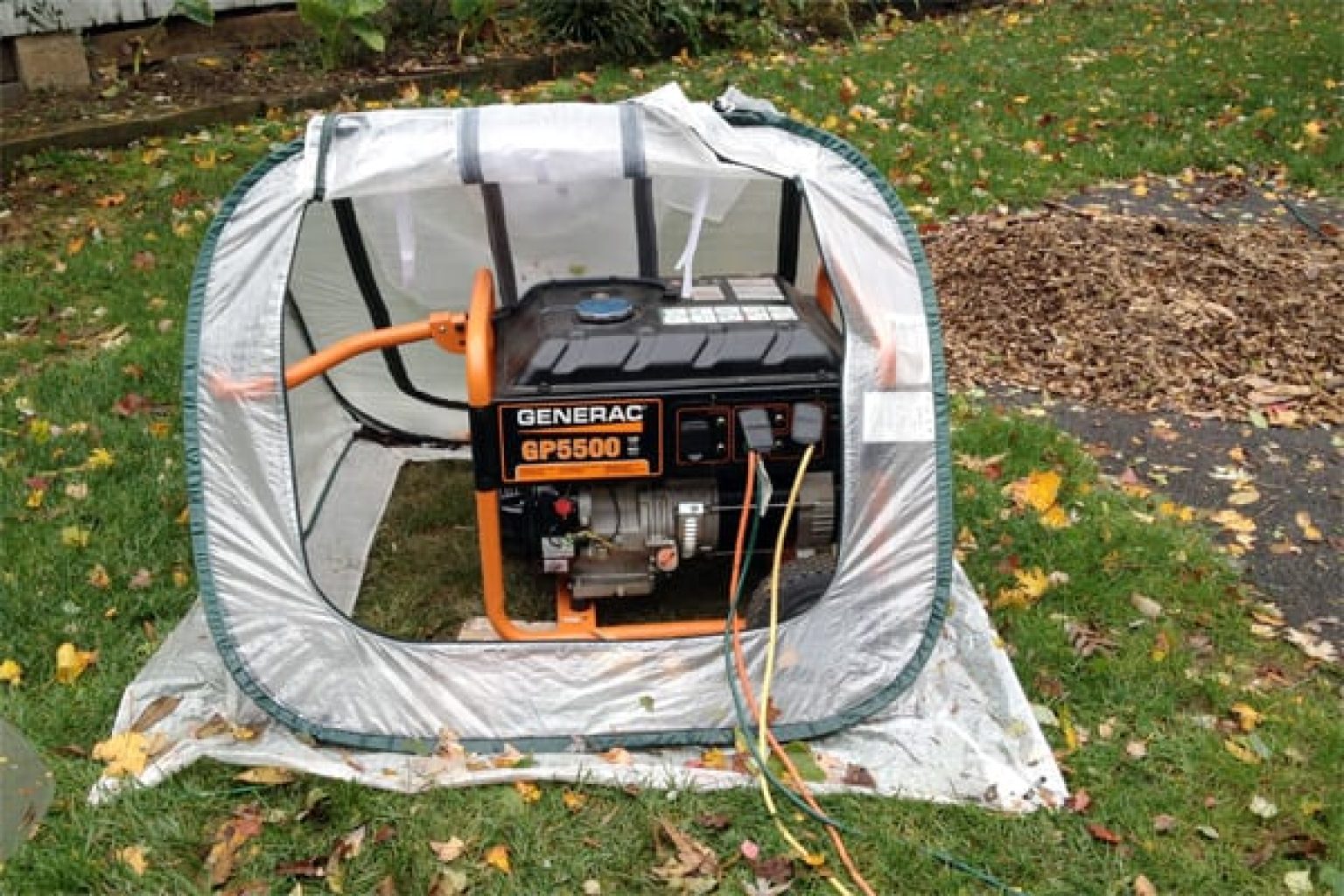
If you're serious about protecting your generator, and let's be honest, who isn't? Consider investing in a generator tent. These are specifically designed to shield your generator from the elements while still allowing for proper ventilation. Think of it as upgrading from a cardboard box to a luxury condo with a panoramic view (okay, maybe not a panoramic view, but you get the idea). A good generator tent is made from water-resistant material, has sturdy poles, and is easy to set up. It's the ultimate in generator pampering.
DIY Deluxe: The Creative Coverage Option
Feeling crafty? You can build your own weather enclosure! Just remember, safety first! Ensure proper ventilation and use materials that won't melt or catch fire. Maybe you could repurpose an old dog house (a very large dog house!). Or perhaps construct a frame from PVC pipes and cover it with a heavy-duty tarp. Just channel your inner MacGyver and get creative! Just don't use anything flammable or that could create a fire hazard. We want to keep the power on, not start a bonfire.
Important Reminders (Because We Care!)
Never operate your generator indoors or in an enclosed space. Carbon monoxide is a silent killer, and you don't want to become a statistic. Always operate your generator in a well-ventilated area, away from windows and doors.
Also, never refuel your generator while it's running or hot. This is a recipe for disaster. Let it cool down completely before adding fuel.
And finally, always follow the manufacturer's instructions for operating and maintaining your generator. They know their stuff.
So, there you have it! Protecting your generator from the rain is easier than wrestling a greased pig (and definitely less messy). With a little planning and the right materials, you can keep your generator safe, dry, and ready to power your life when you need it most. Now go forth and conquer those raindrops!