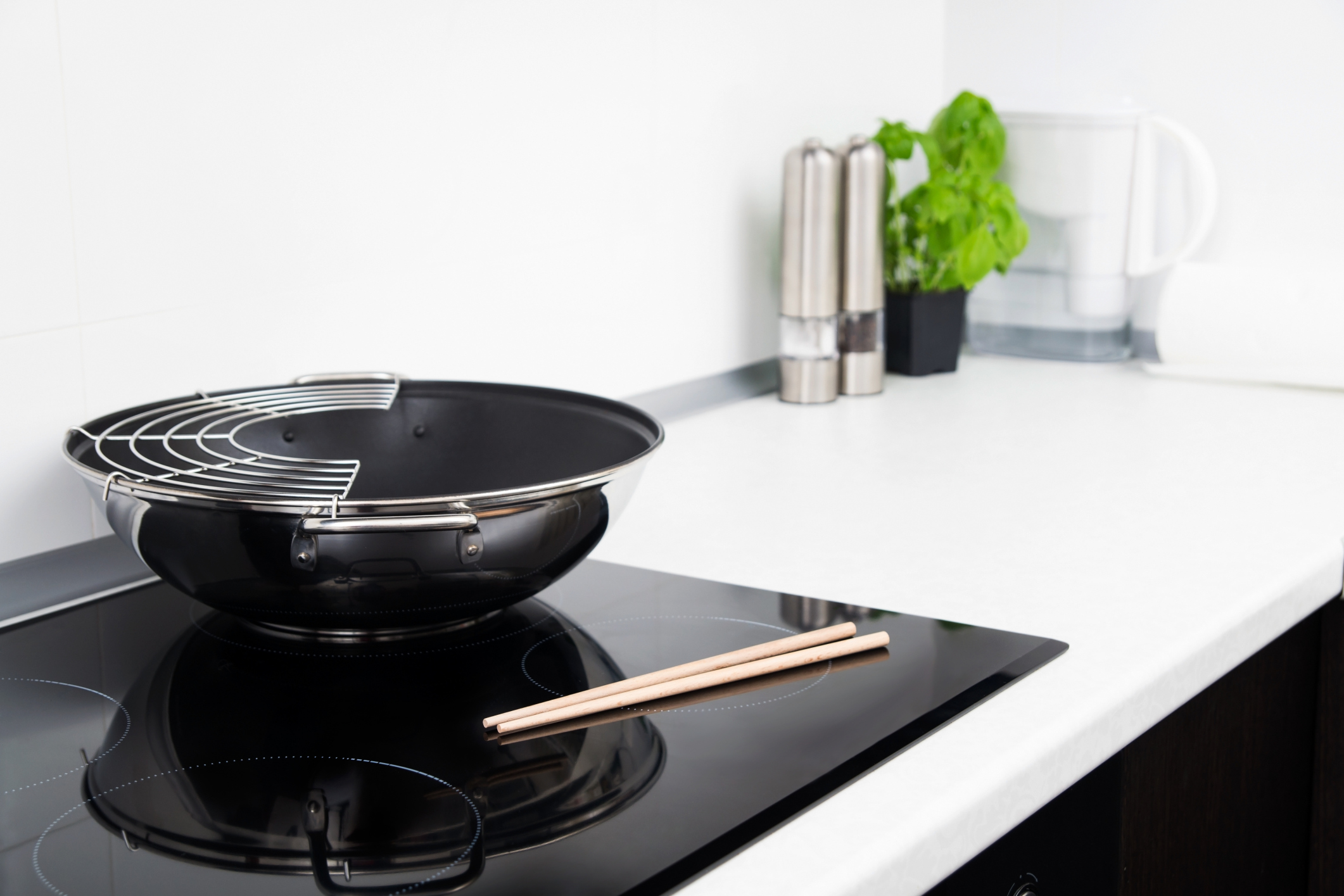
So, you've got an electric stove, huh? Welcome to the club! It's like dating someone reliable but slightly unpredictable. We've all been there.
First things first, finding the right burner. Think of them as personalities. Some are eager beavers, others are more chill. Choose wisely for the culinary adventure ahead.
The Art of the Pre-Heat
Pre-heating is crucial. This isn't a microwave, you can't just throw things in and expect magic. Patience, young Padawan, patience.
Give it a few minutes to reach the desired temperature. How do you know it's ready? Well, that's where the fun begins! Watch the coil, maybe feel the heat radiating. Or just guess, we've all been there, too.
Once it's hot, proceed with caution. Remember, that red glow is not an invitation for a high-five.
Choosing Your Cookware
Your pots and pans are your trusty sidekicks. Make sure they have flat bottoms for optimal contact. Wobbly pans are a recipe for disaster.
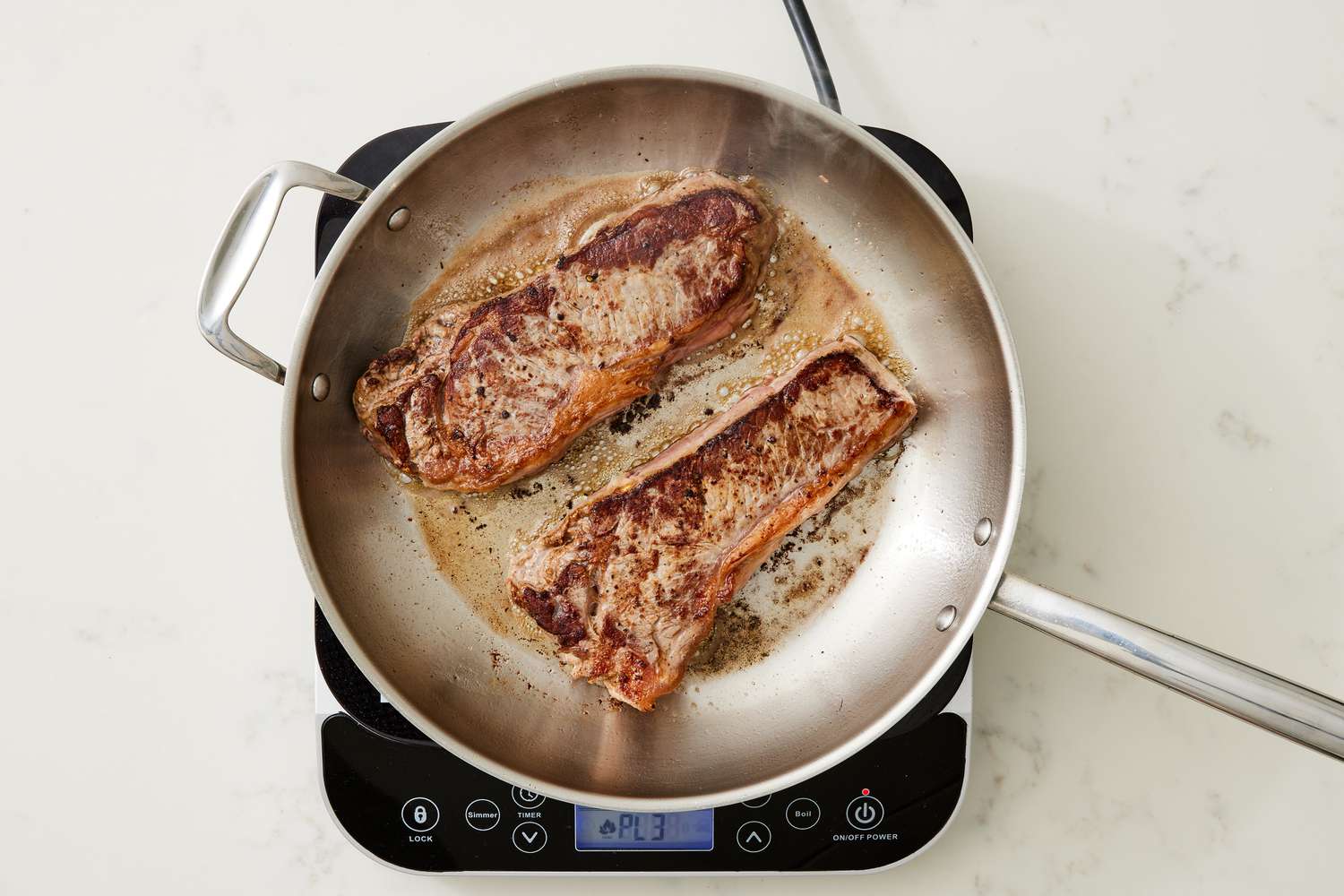
Cast iron is a classic. It retains heat beautifully, perfect for searing and simmering. Just remember it can get hotter than your ex's anger. Always use oven mitts! Trust me on this one.
Stainless steel is a good all-arounder. It heats up quickly and cleans easily. Non-stick is a lifesaver for delicate dishes like eggs.
A Word on Heat Settings
Electric stoves can be a bit…dramatic. The numbers on the dial are more like suggestions than precise measurements.
Start low and adjust gradually. It's easier to increase the heat than to try and salvage a burnt offering. Think of it as a dance: a little tap, a little twirl.
High heat is for boiling and searing. Medium is for sautéing and simmering. Low is for gentle simmering and keeping things warm. Though, keeping things *too* warm is how you forget about that simmering sauce and end up with a burnt, bubbly mess.
The Simmering Saga
Simmering is an art form. It's the gentle caress that transforms simple ingredients into culinary masterpieces. It's also where the "low" setting on your electric stove might be lying.
Watch closely. If it's bubbling like a witch's cauldron, turn it down. If it's not doing anything at all, turn it up a tiny bit. This process may take… awhile.
A simmering dish is like a good relationship: needs attention, patience, and a little bit of faith.
Taming the Temperature Turmoil
One of the quirks of electric stoves is their tendency to hold onto heat. Even after you turn them off, they stay hot for a while. It's like they're saying, "I'm not done with you yet!"
This can be both a blessing and a curse. It's great for keeping things warm, but it can also lead to overcooking. The solution? Learn to anticipate the heat.
Turn off the burner a few minutes before the dish is done. The residual heat will finish the job. It's like coasting to a stop on a bike: efficient and slightly thrilling.
The Importance of Stirring
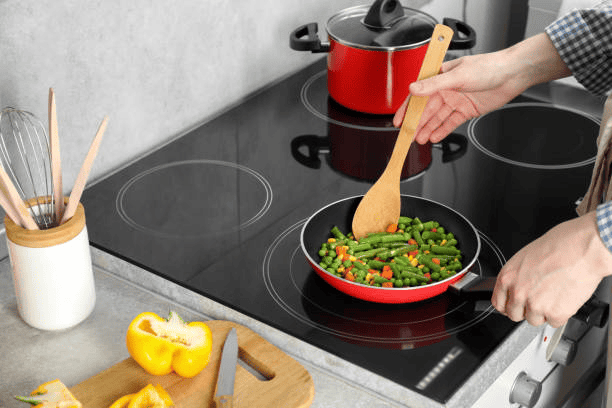
Stirring is your best friend. It prevents sticking, ensures even cooking, and gives you a chance to admire your handiwork. Plus, it’s kinda meditative.
Use a wooden spoon or silicone spatula. Metal utensils can scratch the surface of your pans. Scratched pans are sad pans.
Stir regularly, especially when simmering sauces or making rice. Neglect your stirring duties, and you'll end up with a burnt bottom. No one wants a burnt bottom.
Embrace the Splatter
Cooking can get messy. Embrace the splatter. It's a sign that you're having fun. (Or at least trying.)
A little oil here, a rogue tomato sauce explosion there. It's all part of the process. Just keep some paper towels handy.
Don’t be afraid of making mistakes. It’s how you learn, and sometimes, those mistakes lead to delicious discoveries. Like the time I accidentally added chili powder to my cookies. Surprisingly… not awful!
Cleaning Up the Crime Scene
Once the cooking is done, it's time to clean up. Wait for the burners to cool completely before wiping them down. Hot burners + wet sponge = steam burn. Not a fun combination.
Use a mild dish soap and a non-abrasive sponge. Avoid harsh chemicals, unless you enjoy the smell of industrial cleaner in your kitchen. Then, by all means.
For stubborn stains, try a paste of baking soda and water. Let it sit for a few minutes, then scrub gently. Baking soda: the magical elixir of clean.
Don't forget the drip pans underneath the burners. Those things can get nasty. A little soak in hot soapy water will do the trick.
The Electric Stove Epiphany
Cooking with an electric stove is a journey. It's a dance of heat and patience, a symphony of sizzles and splatters.
It's not always easy, but it's always rewarding. With practice, you'll learn to tame the temperature, master the simmer, and embrace the splatter.
And who knows, you might even develop a strange affection for your electric stove. After all, it's been there for you through thick and thin… and perfectly cooked meals (eventually).
Don't Give Up!
If at first you don't succeed, order takeout. Just kidding! (Sort of.)
Seriously, don't be discouraged by initial setbacks. Every chef, from the Michelin-starred to the slightly-above-average-home-cook, has had their share of kitchen fails.
The key is to keep experimenting, keep learning, and keep having fun. Cooking should be enjoyable, not stressful. So crank up the tunes, pour yourself a glass of wine, and get cooking! Remember, even the best chefs burn dinner sometimes. It’s all about learning and laughing along the way.
Final Thoughts
Your electric stove is now your friend. You understand its quirks and it is ready to help you create delicious meals. Embrace the learning process and enjoy the journey.
So, go forth and conquer your kitchen. May your dishes be delicious, and your kitchen mishaps be minimal. Happy cooking!
And remember, if all else fails, there's always pizza. Just don’t try cooking it directly on the electric coil. Trust me.