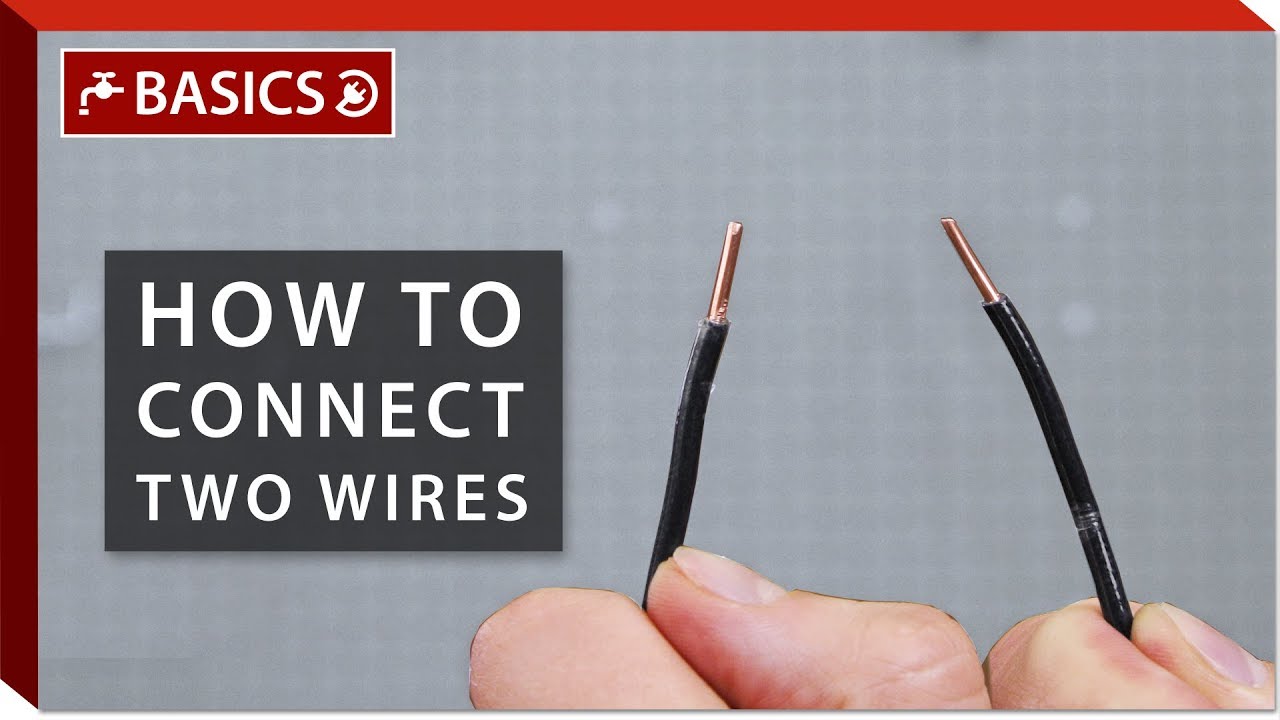
So, you've got two wires staring back at you. Don't panic! This is your chance to be a home improvement hero (or at least avoid calling a very expensive electrician for something you can totally handle).
Stripping Away the Mystery (and the Insulation!)
First, grab your trusty wire strippers. If you don't have wire strippers, well, borrowing is always an option!
Now, select the correct gauge on your strippers. This is usually a number that corresponds to the wire size, like "14 AWG" or "12 AWG". Trial and error, my friend, trial and error.
Position the wire in the appropriate notch and gently squeeze. You want to cut through the insulation without nicking the actual wire inside.
Pull away the insulation, revealing the shiny, bare wire underneath. Ta-da! You've successfully stripped a wire. Do the same to the other wire.
The Twisting Tango
Now for the fun part: the twist! This is where you make those wires *really* get to know each other.
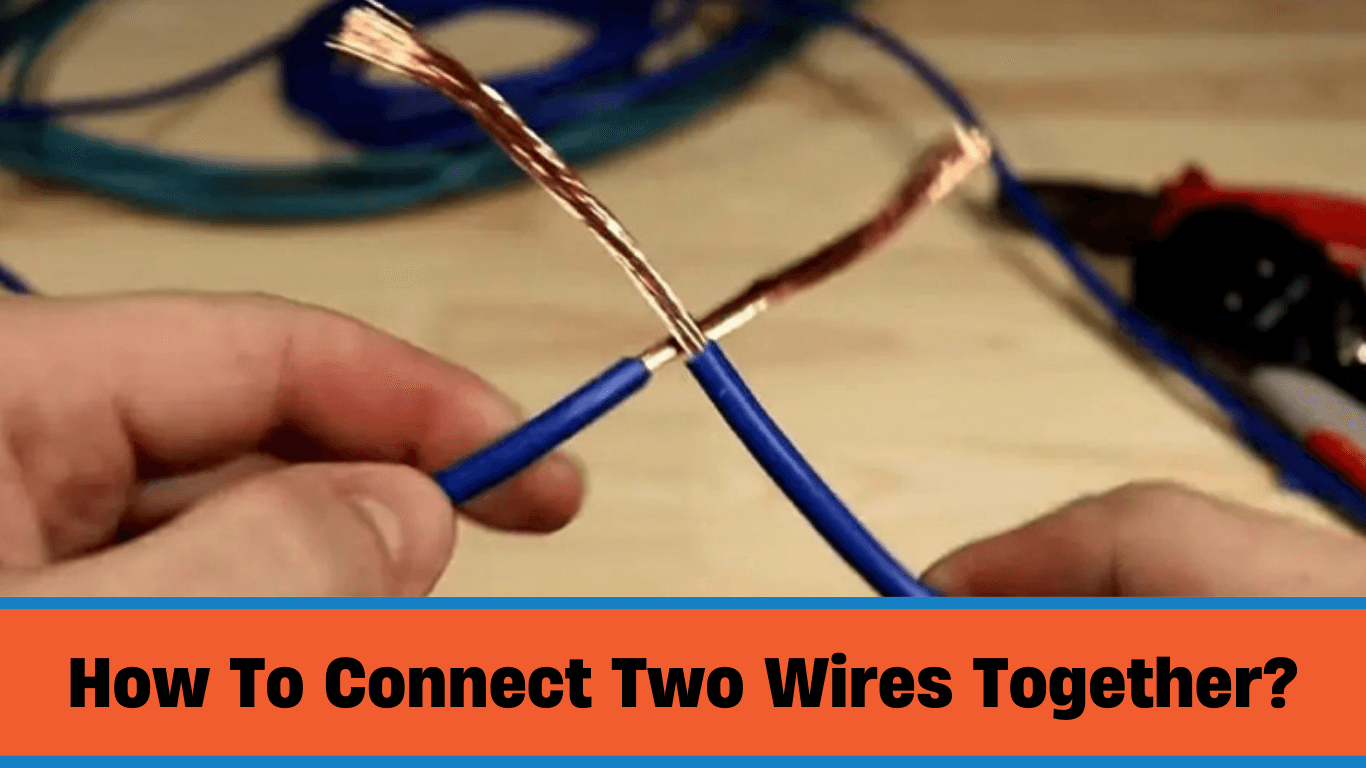
Hold the two stripped ends parallel to each other, overlapping by about an inch or two. Imagine they're about to go on a tandem bike ride.
Using your fingers, firmly twist the wires together. Think of it like wringing out a tiny, electric dishcloth. Twist until you have a neat, tightly wound connection.
Make sure there are no loose strands sticking out like rebellious teenagers. You want a smooth, secure connection.
The Mighty Wire Connector
Ah, the wire connector, also known as a wire nut. This little plastic marvel is your new best friend. It's like a tiny hat for your twisted wire masterpiece.
Hold the twisted wires firmly and push the wire connector over the exposed end. Begin twisting the connector clockwise.
Twist until the connector is snug and the wires are firmly gripped inside. You should feel a little resistance. That's a good thing!
Give the connector a gentle tug to make sure it's secure. We don't want any wires popping out and causing a ruckus later.
A Word About Colors
Sometimes, wires come in different colors. It's like a party in your electrical box! The colors aren't just for show, they actually have a purpose.
Generally, black is "hot" (carries the current), white is "neutral" (returns the current), and green or bare copper is "ground" (safety wire). It’s important to follow the same color coding and connect the wires with the same color.
If you're connecting wires in an outlet or switch, pay close attention to which wire goes where. Usually, the color of wire already installed in the device dictates which color to connect.
If you're ever unsure, it's always best to consult with a qualified electrician.
The Electrical Tape Embrace
For an extra layer of security and insulation, wrap the wire connector and the exposed wires with electrical tape. Think of it as giving your connection a warm, fuzzy hug.
Start wrapping the tape on the wire connector itself, overlapping slightly as you move down onto the wires. This creates a seal and prevents moisture or stray strands from causing problems.
Wrap firmly and smoothly, ensuring that all exposed wire is covered. You want a nice, neat, and professional-looking tape job.
Testing, Testing, 1, 2, 3
Before you button everything up, it's a good idea to test your connection. If the device you connected is not working, turn off the breaker and recheck the connection.
Make sure the wires are securely connected and the wire connector is properly installed. If you still can't get it working, it may be time to call in the professionals.
Troubleshooting Like a Pro
Sometimes, things don't go according to plan. Don't worry, it happens to the best of us. Here are a few common problems and how to fix them.
Loose Connections: This is the most common problem. If your device isn't working, double-check that the wires are securely twisted together and the wire connector is tight.
Nicked Wires: If you accidentally nicked the wire when stripping it, cut off the damaged section and strip the wire again. You want a clean, undamaged wire for a solid connection.
Wrong Gauge Wire: Using the wrong gauge wire can be dangerous. Make sure you're using the correct wire size for the application. For example, if a 14 AWG wire is already installed in the house, use 14 AWG wire to connect.
Advanced Techniques (For the Daring!)
Once you've mastered the basics, you can explore some more advanced techniques. These are for the truly adventurous souls who want to take their electrical skills to the next level.
Soldering: Soldering creates a permanent, highly conductive connection. It's more advanced than using wire connectors, but it's worth learning if you want the best possible connection. You'll need a soldering iron, solder, and some practice.
Crimping: Crimping involves using a specialized tool to compress a connector onto the wire. This is commonly used for connecting wires to terminals or other devices. It's a fast and reliable way to make connections.
Safety First! (Seriously!)
Electricity is powerful and can be dangerous if not handled properly. Always follow these safety precautions to protect yourself and your home.
Turn Off the Power: Before you start any electrical work, turn off the power at the breaker box. This is the most important safety precaution. Double-check that the power is off by testing the circuit with a non-contact voltage tester. Test before touching any wire.
Wear Insulated Gloves: Wear insulated gloves to protect yourself from electrical shock. These gloves are specially designed to prevent electricity from passing through them.
Use Insulated Tools: Use insulated tools to prevent electrical shock. These tools have a non-conductive coating that protects you from coming into contact with live wires.
Work in a Dry Area: Never work with electricity in a wet area. Water is a conductor of electricity and can increase the risk of electrical shock.
When in Doubt, Call a Pro: If you're ever unsure about any aspect of electrical work, it's always best to call a qualified electrician. They have the knowledge and experience to handle even the most complex electrical problems.
Congratulations, You're an Electrical Wizard!
You've done it! You've successfully connected two electrical wires. Take a moment to pat yourself on the back and bask in the glow of your newfound electrical prowess.
Now go forth and conquer the world of home improvement! Just remember to always prioritize safety and don't be afraid to ask for help when you need it.
With a little practice and patience, you'll be connecting wires like a pro in no time. And who knows, maybe you'll even start charging your friends and family for your services! (Just kidding… mostly.)
Remember, always turn off the power before working with electrical wires. Your safety is more important than anything else. And never be afraid to call a qualified electrician if you're unsure about something. They're there to help!