Okay, so picture this: me, bleary-eyed, staring at my electric bill like it's some kind of ancient hieroglyphic. All those numbers! Kilowatt-hours? Delivery charges? It felt like I needed a PhD in electrical engineering just to understand if I was being ripped off (spoiler alert: I probably was, a little). That's when I decided enough was enough. Time to demystify this whole electricity billing thing. And hey, if I can do it, trust me, anyone can.
So, you're probably wondering, "Why bother figuring this out? Isn't that what the electric company is for?" Well, yeah, they send you the bill. But understanding it empowers you. It helps you spot errors, understand your energy consumption habits, and ultimately, save money! Think of it as taking control of your financial destiny...one kilowatt-hour at a time.
Understanding the Key Ingredients
First things first, let's break down the essential terms you'll find on your bill. Don't worry, we'll keep it relatively painless.
- Kilowatt-hour (kWh): This is the unit of measurement for electricity consumption. Think of it like gallons for water, or liters for soda (okay, maybe not *that* exciting, but important!). It represents the amount of energy used by a 1,000-watt appliance for one hour.
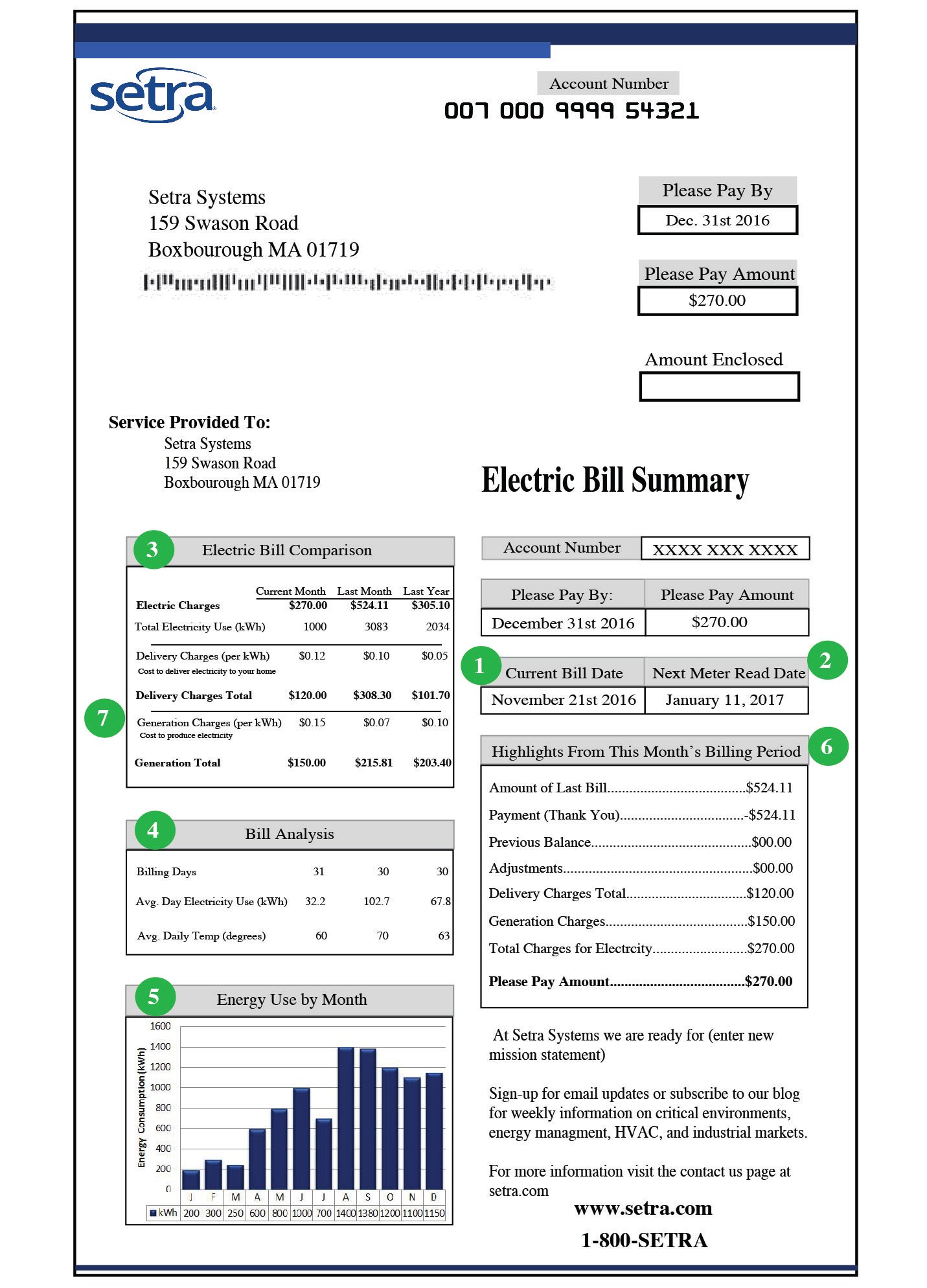
- Rate per kWh: This is the price you pay for each kWh. This can vary depending on your location, your plan, and even the time of year. Pay close attention here!
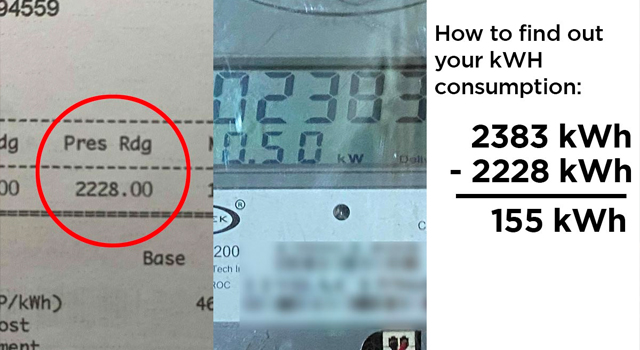
- Usage: This is the total number of kWhs you've used during the billing period.
- Basic Service Charge: A fixed fee that covers the cost of maintaining the grid, meter reading, and billing. Basically, the cost of doing business.
- Delivery Charge: This covers the cost of transmitting the electricity to your home. Sometimes this is rolled into the rate per kWh, sometimes it's a separate charge. Electric companies love making things complicated, don't they?
The Simple Calculation (Hopefully!)
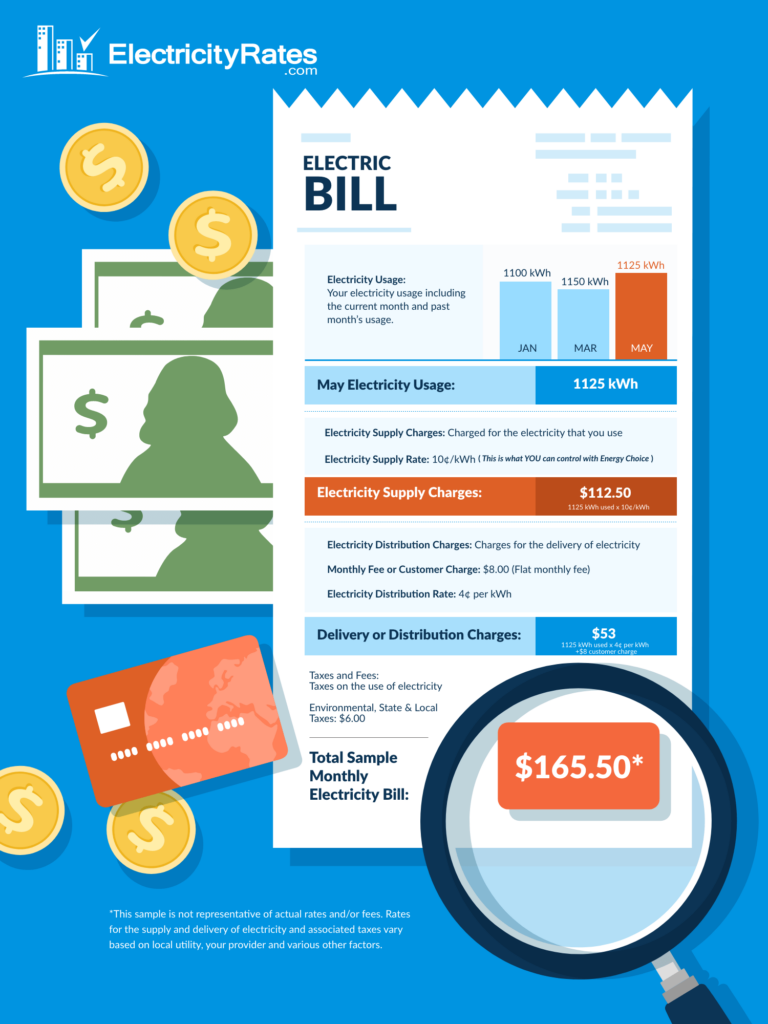
The most basic way to estimate your bill is: (kWh used) x (rate per kWh) + fixed charges. Let's break it down with an example:
Imagine you used 800 kWh in a month, and your rate is $0.15 per kWh. Your basic service charge is $10.
Calculation:
(800 kWh) x ($0.15/kWh) = $120
$120 + $10 (basic service charge) = $130
So, your estimated bill would be $130. Boom! Not so scary, right?
Digging Deeper: Advanced Calculations (and Why They Might Be Necessary)
Okay, things can get a little more complex. Some electricity providers use tiered pricing, meaning the more electricity you use, the higher the rate per kWh becomes. This is designed to encourage energy conservation (or, cynically, to make more money, you decide!). If you have tiered pricing, you'll need to figure out your consumption for each tier and calculate the cost separately.
Also, some providers have time-of-use (TOU) pricing. This means the rate per kWh varies depending on the time of day. Peak hours (usually during the day when everyone is using electricity) are more expensive, while off-peak hours (like at night) are cheaper. If you have TOU pricing, you'll need to track your electricity usage during different time periods to accurately calculate your bill.
This is where things can get a bit tedious. Most smart meters record this information and your bill will break it down. If you don't have that information readily available, you might need to invest in an energy monitor or check with your electricity provider to see if they offer detailed usage reports.
Estimating Usage: Become an Energy Detective
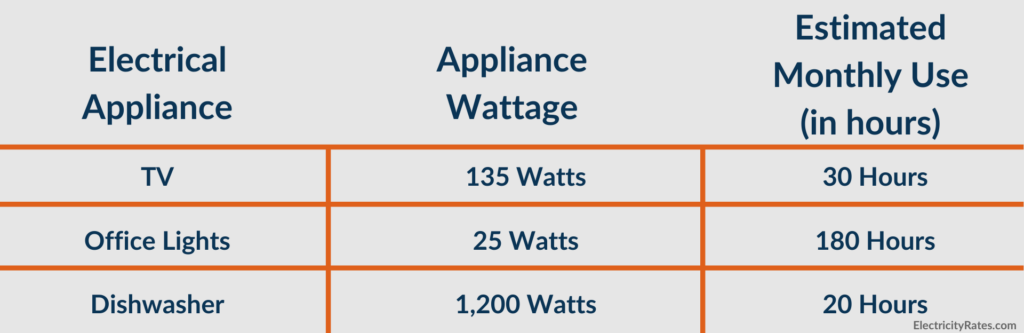
Want to get a sense of how much electricity your appliances are using? Here's a simple method. Find the wattage of the appliance (usually printed on a sticker). Then, estimate how many hours per day you use it. Multiply the wattage by the number of hours, and then divide by 1,000 to get the kWh per day.
For example, a 100-watt light bulb used for 4 hours a day:
(100 watts) x (4 hours) = 400 watt-hours
400 watt-hours / 1,000 = 0.4 kWh per day
Multiply that by 30 days for a monthly estimate: 0.4 kWh/day * 30 days = 12 kWh per month. Then, multiply by your rate per kWh to get the estimated cost of running that light bulb for a month. You can do this with all your appliances to get a better handle on your overall energy consumption. Remember to consider "phantom load" – the electricity used by devices even when they're turned off.
Why Bother? (Seriously, Why?)
Okay, I know this can seem like a lot of work. But trust me, understanding your electric bill is a powerful tool. You can identify energy hogs, adjust your usage habits, and potentially save a significant amount of money. Plus, you'll feel like a super-smart energy detective, uncovering the mysteries of your kilowatt-hours. And who doesn't want to feel like that?
So, go forth and conquer your electric bill! You got this!