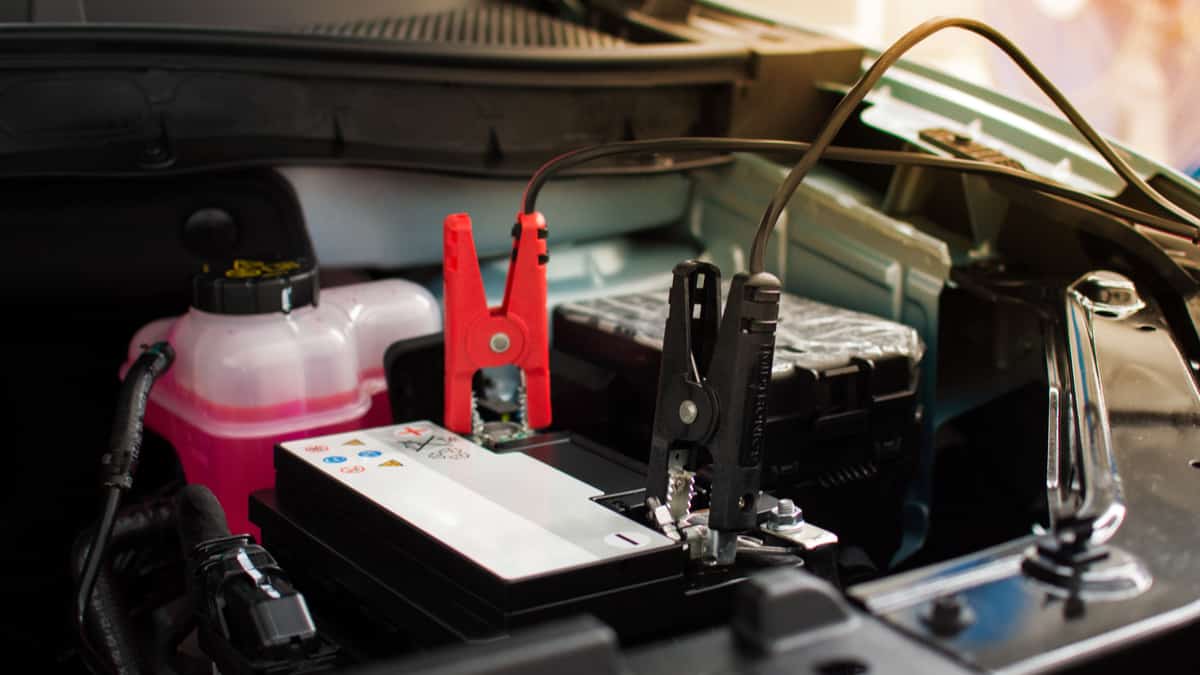
Okay, let's talk car batteries. I know, I know, it sounds about as exciting as watching paint dry. But trust me, knowing how to check your car battery's charge is like knowing where your spare house key is hidden – you don't *think* you need it until you're standing in the pouring rain, locked out! Think of your car battery as the trusty sidekick to your automotive adventures. It's the unsung hero, quietly working behind the scenes to power your radio, your lights, and, most importantly, getting you from point A to point B.
Why should you even bother checking its charge? Well, imagine this: You’re running late for a friend’s birthday party. You’ve got the perfect gift, you’re looking sharp, and you jump in your car… only to be greeted by the dreaded *click-click-click* of a dead battery. Suddenly, that awesome party seems miles away, and your cool entrance has turned into a frantic call for roadside assistance. Avoid that drama!
Simple Ways to See if Your Battery is Saying "SOS"
So, how do we become battery whisperers? Here are a few easy ways to get a sense of your battery's health, from the super simple to slightly more involved:
1. The "Eyeball" Test: Look for the Obvious
First, give your battery a good visual inspection. Pop the hood (if you know how, and it's safe – otherwise, ask a mechanically-inclined friend or your friendly neighborhood mechanic). Look for these warning signs:
- Corrosion: That white, bluish, or greenish gunk around the terminals? That's corrosion. It's like plaque for your battery, and it can prevent a good connection.
- Bulging or Cracks: A healthy battery is generally boxy and straight. If it looks like it’s been hitting the gym and is bulging, or if you see any cracks, that's a bad sign.
- Leaks: Any signs of liquid around the battery are also a major red flag.
If you spot any of these, it’s probably time for a professional to take a look.
2. The Headlight Test: A Dim Bulb is a Bad Sign
This is a classic. Turn on your headlights without starting the engine. Are they bright and strong, or do they seem dim and weak? If they're struggling to shine, it could indicate a weak battery. Think of it like this: a happy battery is a well-lit road trip; a sad battery is like driving with one eye closed. Not ideal!
3. The Voltmeter/Multimeter Method: Getting a Little Techy
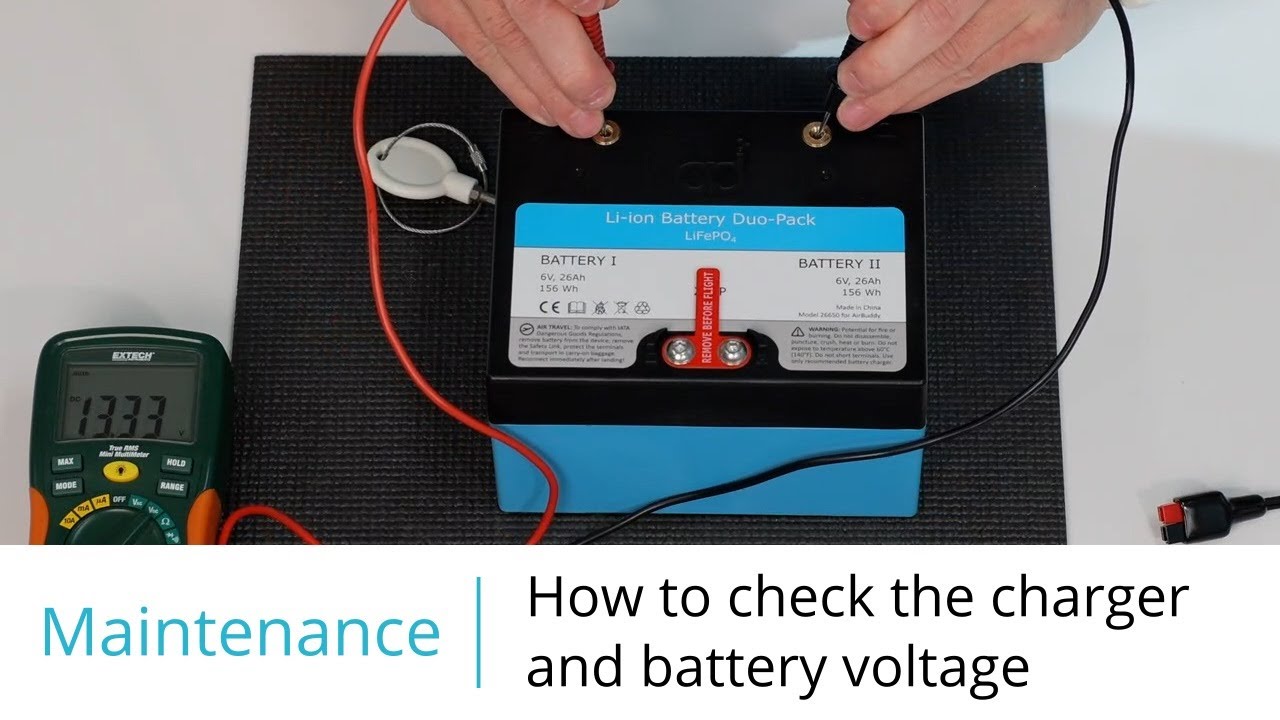
Okay, this one requires a *little* bit of equipment, but it's still pretty straightforward. You'll need a voltmeter or multimeter, which you can find at most auto parts stores or online. These handy devices measure electrical voltage. Here's the gist:
- Safety First: Make sure your car is turned off!
- Locate the Battery Terminals: You'll see a "+" (positive) and a "-" (negative) terminal.
- Connect the Meter: Attach the red lead of the voltmeter to the positive terminal and the black lead to the negative terminal.
- Read the Voltage: A fully charged car battery should read around 12.6 volts or higher. If it's reading below 12.4 volts, it's likely getting low. Anything below 12 volts is a serious cause for concern.
Think of it like taking your car battery's temperature. A healthy temperature means everything is running smoothly; a fever means something's up!
4. The Load Test: The Pro Move (Consider Professional Help)
A load test is the most accurate way to assess your battery's health, but it's usually best left to the pros. It puts the battery under a simulated load (like starting the engine) to see how well it holds up. Most auto parts stores offer free battery testing, so take advantage of that!
Why Bother? The Perks of a Healthy Battery
Look, I get it. Car maintenance isn't exactly a thrill ride. But keeping an eye on your battery offers some serious benefits:
- Avoid Being Stranded: No one wants to be stuck on the side of the road waiting for a tow truck.
- Save Money: Catching a weak battery early can prevent it from damaging other components in your car.
- Peace of Mind: Knowing your car is reliable allows you to focus on enjoying the journey, not worrying about whether you'll make it to your destination.
So, take a few minutes to check your battery. It's a small investment of time that can save you a whole lot of hassle (and potentially a missed birthday party!). Think of it as a little act of self-care for your car. And remember, when in doubt, consult a professional. They're the battery experts, and they can help you keep your car running smoothly for years to come. Now go forth and conquer the road, powered by a healthy and happy battery!