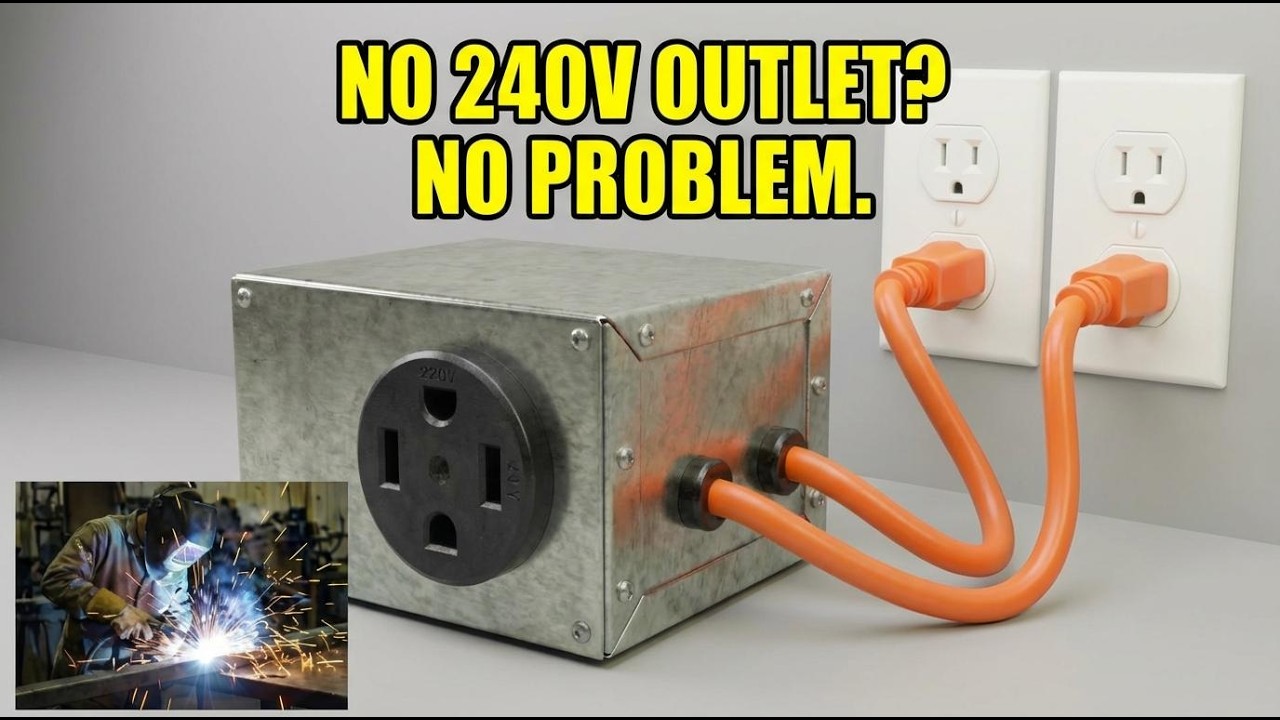
Let's be honest, electricity can feel like magic. We flip a switch and boom, light! We plug something in and bam, power! But sometimes, this magic requires a little bit of tweaking, especially when it comes to those beefy 220-volt outlets. Maybe you’ve moved into a new place with a dedicated 220 outlet for a dryer you don't own, or perhaps you’re repurposing a workshop. Whatever the reason, understanding how to safely convert a 220 outlet to a standard 110 outlet is a handy skill to have – and a potential money-saver!
So, why would anyone want to tackle this? Well, the most common reason is adaptability. Many older homes or specialized spaces have 220-volt outlets installed for high-powered appliances like dryers, ovens, or welders. If you no longer need that kind of juice, converting it to a standard 110-volt outlet opens up a whole new world of possibilities. Think about it: that unused 220 outlet in your garage could become the perfect spot to plug in your power tools, a mini-fridge, or even a charging station for your electric bicycle. The possibilities are nearly endless!
Think about it this way: a 220-volt outlet is like a firehose – it delivers a lot of power quickly. A 110-volt outlet, on the other hand, is like a garden hose – it delivers a steady, manageable flow of electricity. Most of our everyday electronics, from lamps and laptops to televisions and toasters, are designed to run on the gentler flow of a 110-volt outlet. Trying to plug them into a 220-volt outlet is a recipe for disaster – sparks, smoke, and fried circuits, anyone?
Now, for the important part: safety first! Working with electricity can be dangerous, so if you’re not comfortable with basic electrical work, please call a qualified electrician. It's better to be safe than sorry (and potentially shocked!).
However, if you're feeling confident and have experience with wiring, here are some general tips for converting a 220 outlet to 110. Remember: this is a simplified overview and should not replace professional advice. Always consult local electrical codes and regulations before starting any electrical project.
Steps to Consider (with extreme caution!):
- Turn off the power! Locate the circuit breaker controlling the 220 outlet and switch it off. Double-check with a non-contact voltage tester to ensure the power is truly off.
- Identify the wires. Typically, a 220 outlet will have two hot wires (usually black or red), a neutral wire (usually white), and a ground wire (usually green or bare copper).
- Rewire the outlet. This is where things get tricky. The two hot wires need to be combined to create a single hot wire for the 110 outlet. The neutral and ground wires should remain connected to their respective terminals. You will likely need to replace the 220 outlet with a standard 110 outlet.
- Consult an expert. Seriously, if you have any doubts, stop here and call an electrician.
- Test the outlet. After you've carefully rewired the outlet, turn the circuit breaker back on and use a circuit tester to ensure the outlet is wired correctly and functioning properly.
Important Reminders:
- Don't overload the circuit. Even though you're converting the outlet, the circuit's amperage remains the same. Avoid plugging in too many high-power devices simultaneously, or you risk tripping the breaker.
- Use the correct gauge wire. Ensure the wiring is appropriate for the amperage of the circuit.
- Properly ground the outlet. A properly grounded outlet is crucial for safety.
Converting a 220 outlet to 110 can be a rewarding project that expands the functionality of your space. Just remember to prioritize safety, proceed with caution, and don't hesitate to call in a professional when in doubt. Happy wiring (responsibly, of course)!