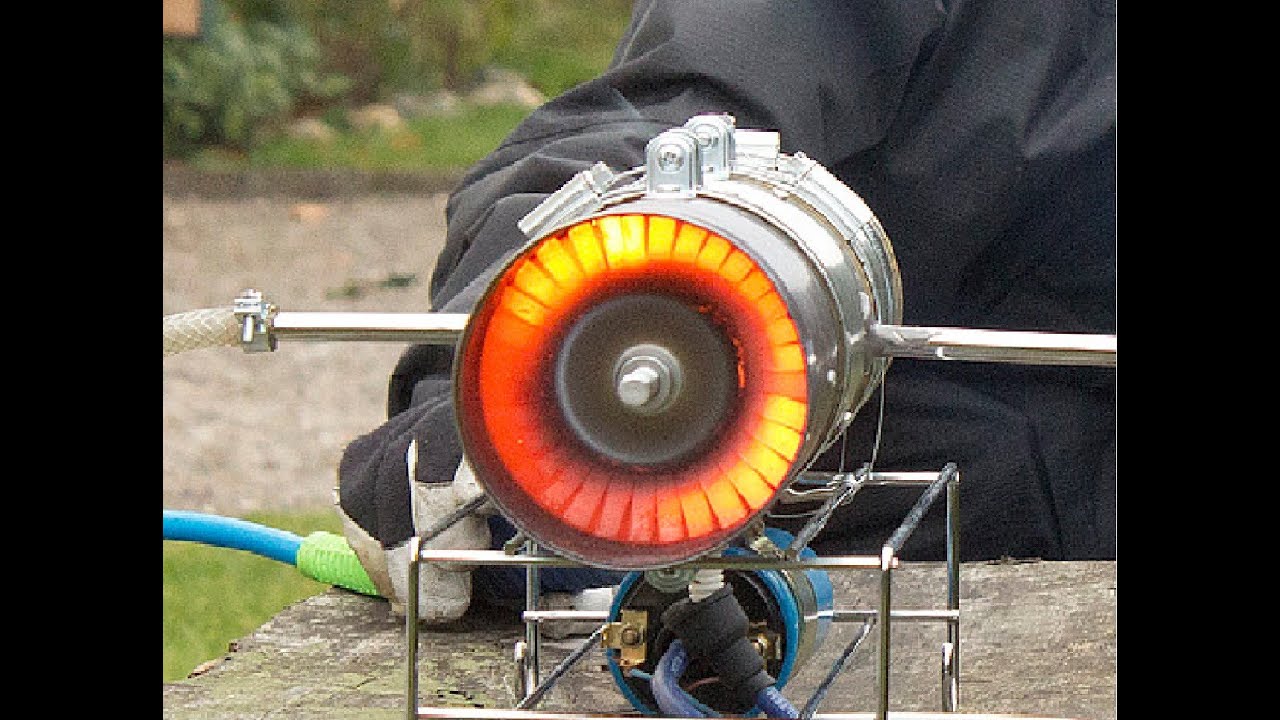
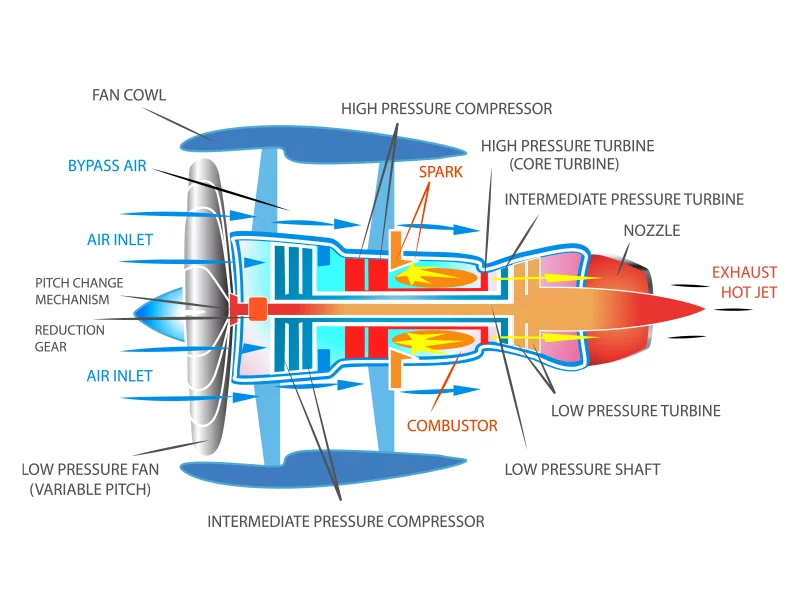
So, you wanna build a jet engine, huh? Sounds intimidating, I know. Like something only rocket scientists or that eccentric uncle with the welding goggles could pull off. But trust me, with a little know-how (and maybe a healthy dose of duct tape), you can get surprisingly close to making something that roars like a miniature dragon.
First things first: Forget about crafting some intricate, aerospace-grade masterpiece from scratch. Unless you happen to have a spare titanium smelter in your garage, let's repurpose some existing stuff. Think of it as extreme recycling, with a fiery twist.
The Heart of the Beast: The Turbocharger
The turbocharger from a car engine is your best friend here. Scour your local junkyard; these things are practically begging to be rescued from automotive oblivion. It's already got the compressor and turbine blades – basically, the spinning bits that suck in air and fling it around like a caffeinated hamster. This is the most complex part of the whole operation, so using something pre-made is a lifesaver.
Once you've got your hands on this metallic heart, give it a good scrub. You wouldn't want your jet engine coughing up old engine grime on its maiden voyage, would you? Plus, shiny things are just more impressive.
Building the Combustion Chamber: Cans and Ingenuity
Now comes the fun part: creating the combustion chamber. This is where the fuel and air meet in a glorious, controlled explosion. And what's a better vessel for controlled explosions than… tin cans? Seriously! Soup cans, coffee cans, even those weirdly shaped tomato paste cans – they're all potential candidates.
The trick is to arrange them artfully around the turbocharger, creating a space where the compressed air can mix with fuel. Think of it like building a tiny, high-speed tornado of fire. Use some metal sheeting, strategically placed, to guide the airflow. Welding is ideal, but if you're not a welder, high-temperature epoxy or even copious amounts of metal tape can do the trick (though maybe stand back a bit further when you fire it up).
Remember to drill some strategically placed holes for your fuel injectors. You can buy fancy fuel injectors online, or you can get creative with repurposed sprinkler heads. Just be sure they can spray a fine mist of fuel into the chamber. Speaking of fuel...
Fueling the Fire: Not Just Anything Burns
This is where things get a little tricky. Regular gasoline is a no-no. It's too volatile and prone to, shall we say, *uncontrolled* explosions. Kerosene or jet fuel is the way to go. Safer and more efficient. And hey, who doesn't want their backyard project to smell faintly of a Boeing 747?
But be careful! Fuel handling is serious business. Always work in a well-ventilated area, and keep a fire extinguisher handy. This isn't a joke; we're dealing with flammable liquids and high-speed spinning bits. Safety first, folks!
Ignition: Sparking the Magic
You'll need a way to ignite the fuel-air mixture. A glow plug from a diesel engine works perfectly. These little guys heat up to insane temperatures and can reliably ignite even the most stubborn fuel mixtures.
Wire it up to a car battery, and you're ready to (carefully!) introduce fuel and air into the combustion chamber. With a little luck, you'll hear a satisfying "whoosh" followed by a sustained roar. Congratulations, you've just created fire-breathing metal!
Testing and Tweaking: The Art of Controlled Chaos
Now comes the really fun (and potentially terrifying) part: testing. Secure your engine to a sturdy platform – think a concrete block or a very, very strong table. Make sure nothing flammable is nearby. And for goodness sake, wear ear protection! Seriously, these things get LOUD.
Slowly introduce fuel and air, keeping a close eye on everything. Adjust the fuel flow and air intake until you get a stable, even burn. You'll probably see some flames, hear some strange noises, and maybe even feel the ground vibrate. Don't panic! That's just the sound of progress.
Building a jet engine is a journey, not a destination. You'll likely encounter setbacks, frustrations, and moments where you question your sanity. But when you finally hear that engine roar to life, spewing fire and raw power, you'll know it was all worth it. Just don't expect to fly anywhere with it. Unless you're a squirrel, maybe.