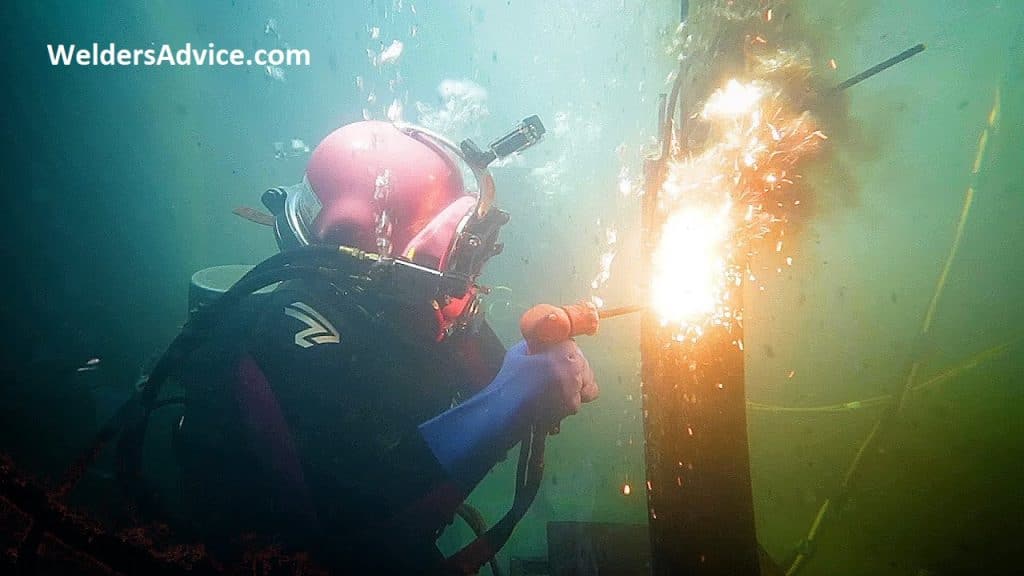
Alright, so you wanna be an underwater welder, huh? That's like, the coolest job nobody thinks about until they see it on TV. Think about it: you're welding… underwater. It’s basically being a superhero, except instead of fighting crime, you're fighting corrosion. And instead of a cape, you get a really thick wetsuit. Let's dive in (pun intended!) and see what it takes.
First Things First: Are You Cut Out For This?
Before you even think about touching a welding torch underwater, let’s be real. This isn't for the faint of heart. We’re talking about a job that's both incredibly skilled and a little bit… well, dangerous. Imagine trying to strike an arc while a curious octopus is checking out your equipment. Yeah, it can happen! You need:
- Strong swimming skills: Duh! You'll be spending a lot of time submerged. If you struggle with the doggy paddle, maybe stick to dry land welding.
- Excellent physical fitness: It's hard work! Hauling equipment, fighting currents, and maintaining your composure under pressure all require stamina.
- A cool head: Panic underwater is a big no-no. You need to be able to think clearly and react quickly in potentially stressful situations.
- A love for welding: Obviously! But seriously, you need to be passionate about this craft. The underwater part just adds a whole new level of complexity.
If you’re ticking all those boxes, congratulations! You’re one step closer to becoming Aquaman's favorite handyman.
Education and Training: From Zero to Hero
Okay, so you're a strong swimmer who doesn't freak out easily. Great! Now it's time for the serious stuff: education and training. This isn't something you can just pick up by watching YouTube videos (although, those can be entertaining!). You'll need:
- Welding Certification: Get certified in the *basic* welding processes (SMAW, GMAW, GTAW) at a reputable welding school. This will give you the foundational skills you need. Think of it as learning to walk before you try to breakdance underwater.
- Commercial Diving School: This is where you learn the underwater part! Look for a school that offers a comprehensive underwater welding program. They’ll teach you everything from diving safety and underwater communication to, you guessed it, welding underwater.
- Certifications, Certifications, Certifications!: The more certifications you have, the more employable you'll be. AWS (American Welding Society) and other recognized organizations offer certifications specific to underwater welding. Collect 'em like Pokemon cards!
Pro Tip: Research different schools and programs carefully. Talk to alumni and check out their facilities. This is a big investment, so you want to make sure you're getting the best possible training.
Gaining Experience: Wet and Wild Welding
Alright, you've got the education and the certifications. Now it's time to get your feet (and everything else) wet! Gaining experience is crucial. Look for entry-level positions with:
- Underwater construction companies: These companies often need underwater welders for tasks like repairing pipelines, bridges, and offshore oil platforms.
- Salvage operations: Recovering sunken ships and equipment requires skilled underwater welders. It's like being a treasure hunter, but with more arc flash!
- Marine research facilities: Some research facilities use underwater welders for maintaining and repairing underwater habitats and equipment.
Don't be afraid to start small and work your way up. Every dive is a learning opportunity. Plus, the stories you'll have to tell are epic!
The Perks and the… Perks (Because Everything Has Them)
Being an underwater welder has its perks, both literal and figurative:
- High Pay: Underwater welders are in demand, and that demand translates to high salaries. You can make some serious money in this field. Think, "buy-a-small-island" kind of money.
- Travel Opportunities: You might find yourself working all over the world, from the Gulf of Mexico to the North Sea. Get ready to stamp your passport!
- Unique Challenges: No two days are the same. You'll be constantly learning and adapting to new challenges. Boredom? Never heard of her!
Of course, there are also challenges:
- Risk: It's a dangerous job. Safety is paramount. Always follow safety protocols and listen to your team.
- Isolation: You'll be spending a lot of time underwater, often in confined spaces. Not for the claustrophobic!
- Travel: While exciting, constant travel can be hard on your personal life.
So, You Wanna Be an Underwater Welder?
Becoming an underwater welder is a journey that requires dedication, skill, and a healthy dose of bravery. It’s not easy, but it’s incredibly rewarding. You’ll be part of a select group of professionals who perform a vital service in a challenging and fascinating environment. You will have stories that will amaze your friends and family. And who knows, maybe you'll even discover a sunken treasure chest along the way!
So, if you're looking for a career that's both challenging and rewarding, and you don't mind getting a little wet, underwater welding might just be the perfect fit for you. Now go out there and make some sparks fly… underwater!