There's something undeniably cool about a pocket watch. It’s a tangible link to a bygone era, a symbol of sophistication and meticulousness. But owning a pocket watch isn't just about aesthetics; it's about embracing a piece of history. And like any intricate piece of machinery, understanding how to operate it – specifically, how to adjust the time – is key to truly appreciating its charm. So, dust off that heirloom, or that flea market find, because we're about to delve into the surprisingly simple art of setting the time on your pocket watch.
The primary purpose of knowing how to adjust your pocket watch is, well, to tell the right time! Imagine whipping out your beautiful timepiece only to realize you're an hour off. Not exactly the picture of punctuality! Beyond mere functionality, knowing how to adjust your watch allows you to maintain and care for it. Understanding the mechanism prevents accidental damage and allows you to appreciate the craftsmanship involved. It's about more than just changing the time; it's about connecting with a piece of history and preserving it for future generations. Plus, let’s be honest, it's a great conversation starter!
So, how do you actually do it? The process depends on the type of winding mechanism your pocket watch has. Here's a breakdown of the two most common methods:
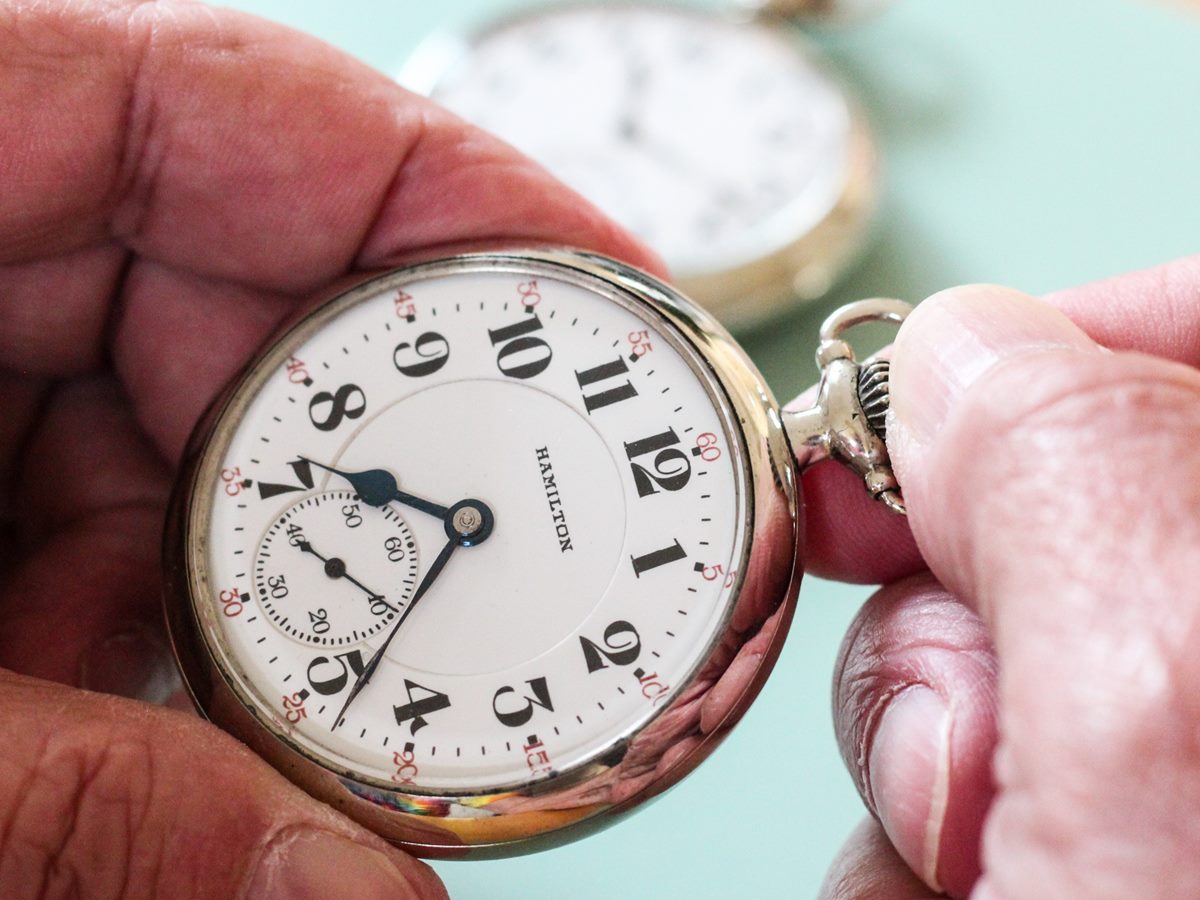
1. Stem-Set Pocket Watches: These are the most common type and are relatively straightforward. Look for the crown, the small knob located at the top of the watch, usually at the 12 o'clock position. To adjust the time:
- Pull out the crown. You'll typically feel a distinct click as you pull the crown out to its second position. This disengages the winding mechanism and allows you to adjust the hands.
- Rotate the crown. Turning the crown clockwise or counter-clockwise will move the hands of the watch. Watch the minute and hour hands until they reach the correct time.
- Push the crown back in. Once the time is set, gently push the crown back into its original position. This re-engages the winding mechanism.
That’s it! Simple, right?
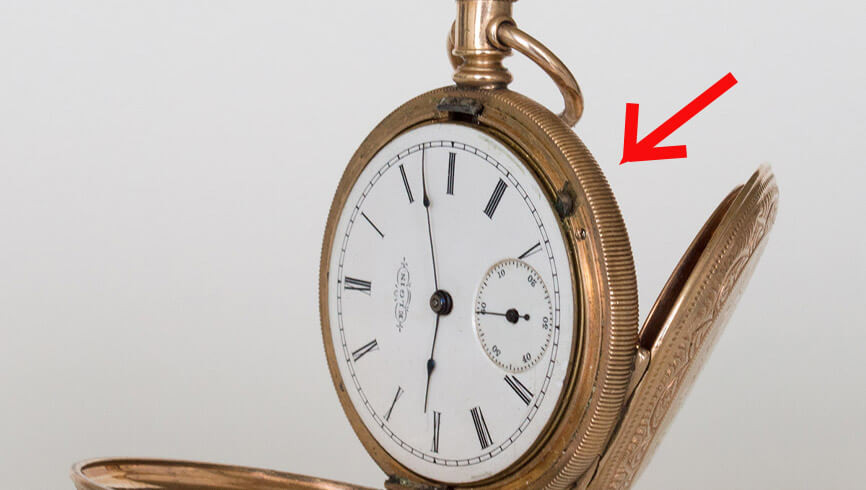
2. Lever-Set Pocket Watches: These are a bit more intricate and typically found on older or higher-end models. They require a small lever to be pulled out before you can adjust the time. This lever is usually located near the winding stem, under the bezel (the ring around the watch face). To adjust the time:
- Open the front of the watch. This will allow you to access the lever.
- Locate the lever. It's usually a small, easily identifiable tab.
- Pull out the lever. This disengages the movement, allowing you to adjust the hands. You might need a small tool, like a toothpick or your fingernail, to gently pull it out. Be very careful not to force it!
- Rotate the crown. Just like with a stem-set watch, turning the crown will move the hands.
- Push the lever back in. Once the time is set, gently push the lever back into its original position until it clicks into place.
- Close the front of the watch.
Important Reminders:
- Always be gentle. Pocket watches are delicate instruments. Forcing anything can cause serious damage.
- Avoid setting the time backwards. While some watches can handle it, repeatedly setting the time backwards can strain the movement.
- Wind the watch regularly. Keeping the watch wound helps maintain its accuracy.
With a little practice and a gentle touch, you'll be a pro at adjusting the time on your pocket watch in no time. Enjoy the journey into the world of horology and the satisfaction of keeping time with a piece of history!