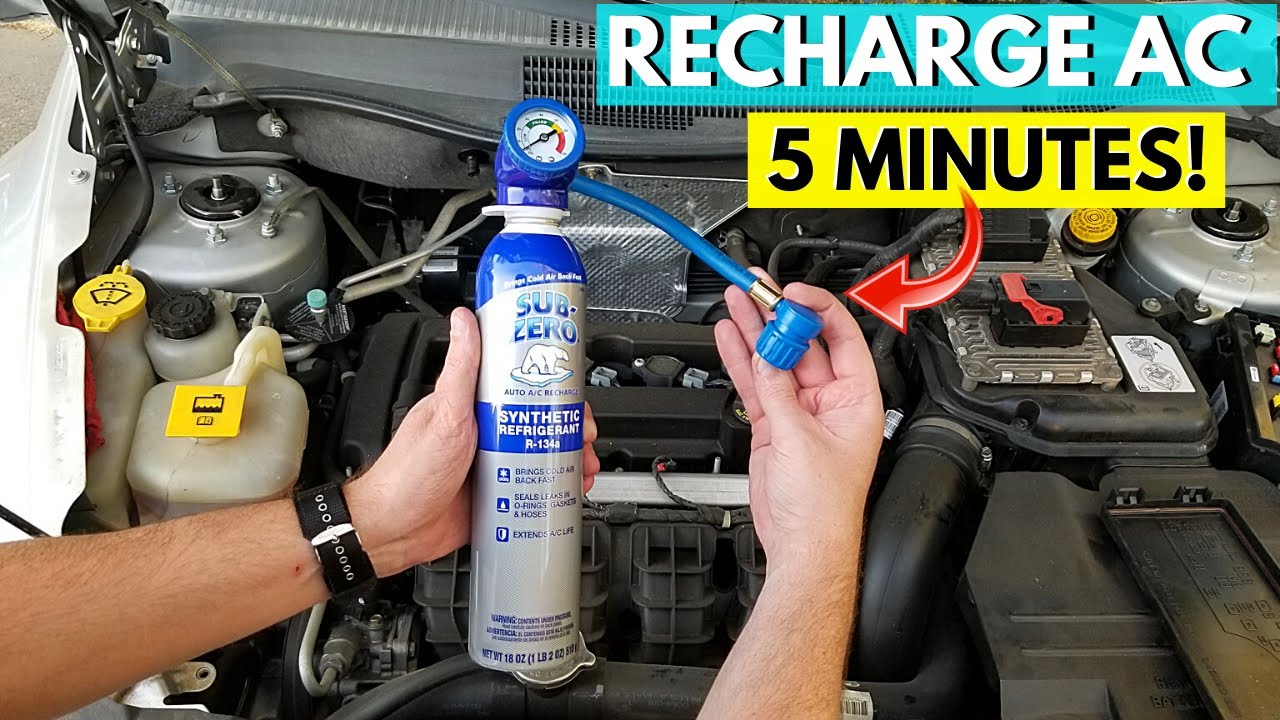
Okay, let's be real. Cruising down the highway with the windows down, hair blowing in the wind, blasting your summer playlist...it sounds romantic. But after about five minutes, you're sweating, your hair's a tangled mess, and you're choking on exhaust fumes. Let's face it: sometimes, you just need A/C.
Maybe you've got a vintage ride that predates the widespread adoption of air conditioning. Maybe your current system conked out and you're weighing your options. Whatever the reason, adding A/C to your car might seem daunting. But fear not, fellow road warriors! We're here to break it down.
Is it Even Possible?
The short answer? Yes. The slightly longer answer? It depends. Most cars, even older models, *can* be retrofitted with air conditioning. The real question is: is it worth it? Consider the following:
- The age and type of your car: Classic cars might require more extensive modifications.
- Your budget: Aftermarket A/C kits and professional installation can get pricey.
- Your DIY skills: Are you comfortable with automotive repair, or will you need professional help?
If you're picturing yourself as Steve McQueen wrenching on a Mustang, proceed with confidence. If you're more of a "call a mechanic" type, that's perfectly fine too! Just factor that into your planning.
The A/C Kit Rundown
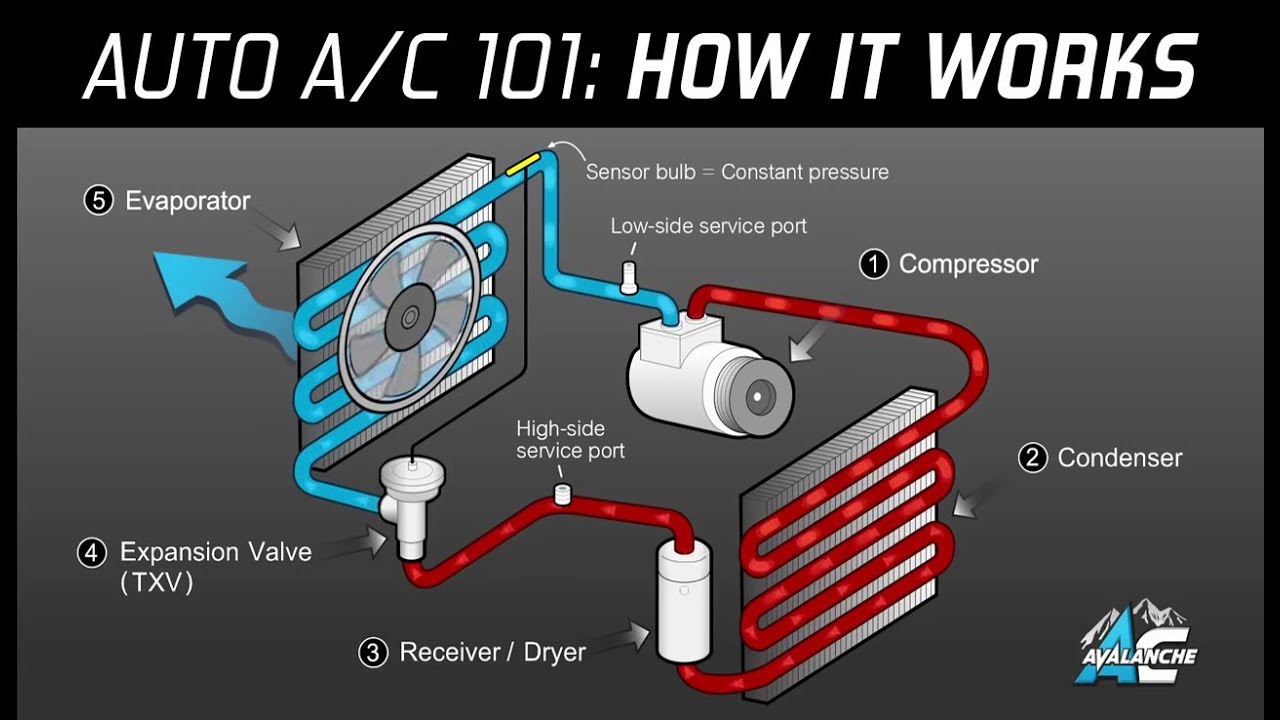
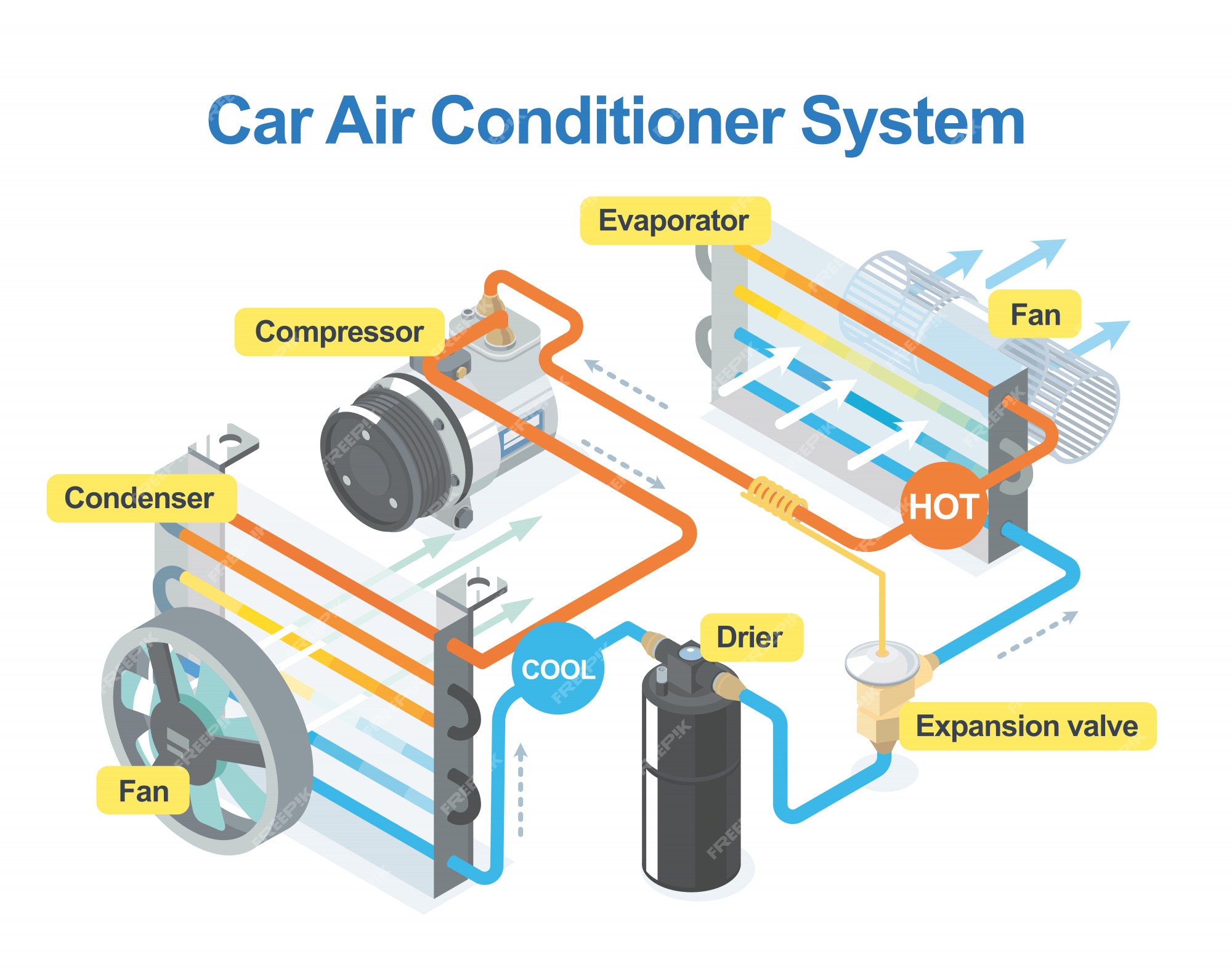
The heart of the operation is, of course, the A/C kit. These kits generally include:
- Compressor: The pump that circulates refrigerant.
- Condenser: Cools the refrigerant.
- Evaporator: Cools the air entering the cabin.
- Receiver/Drier: Filters and removes moisture from the refrigerant.
- Expansion Valve: Controls the flow of refrigerant.
- Hoses and Fittings: Connect all the components.
- Wiring Harness: Provides power and control.
Choosing the right kit is crucial. Do your research! Read reviews, compare specifications, and make sure it's compatible with your specific make and model. A universal kit might sound appealing, but a custom-fit kit will save you headaches in the long run. Think of it like buying off-the-rack versus tailored suit – one will always fit better.
DIY vs. Professional Installation
Alright, time for a little introspection. Are you comfortable working with refrigerant? Do you understand automotive electrical systems? Can you safely discharge and recharge an A/C system? If the answer to any of these is "no," then seriously consider professional installation.
Working with A/C systems involves potentially dangerous chemicals and requires specialized tools. A mistake could lead to injury or damage your car. No shame in admitting it's beyond your skill set!
However, if you're a seasoned DIYer, go for it! Just be sure to follow the instructions carefully, wear appropriate safety gear (gloves, eye protection), and consult a reputable service manual.
Pro Tips & Tricks
- Cleanliness is key: Ensure all components are clean and free of debris before installation. Contamination can damage the system.
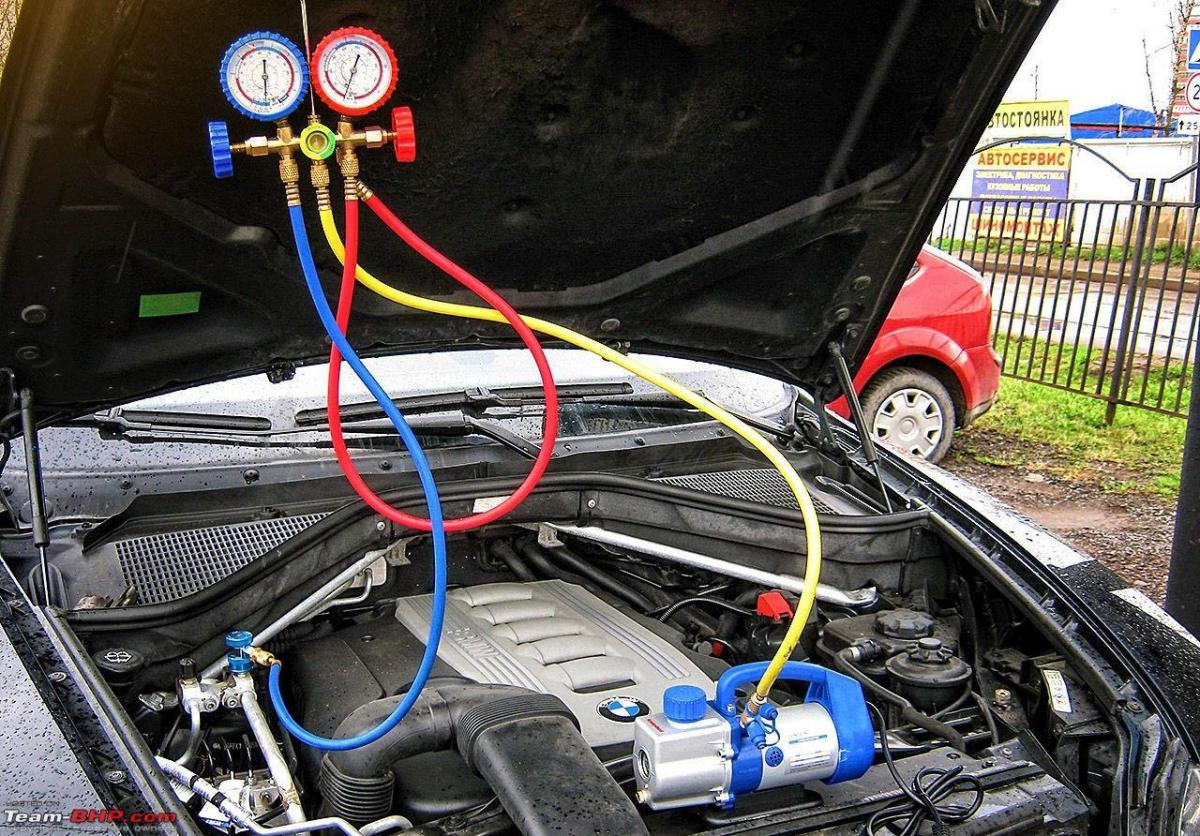
- Proper charging: Overcharging or undercharging the system can reduce its efficiency and lifespan. Follow the manufacturer's recommendations for refrigerant amount.
- Vacuum the system: Before charging, vacuum the system to remove air and moisture. This is crucial for optimal performance.
- Leak test: After installation, perform a leak test to ensure the system is sealed.
- Get a professional opinion: Even if you do the installation yourself, it's a good idea to have a qualified technician inspect your work and verify that the system is functioning correctly.
Beyond the Comfort: A Modern Necessity
Let's face it; air conditioning isn't just a luxury anymore. It's a safety feature. Driving in extreme heat can cause fatigue and impair your judgment. A comfortable driver is a safer driver.
Think of adding A/C as an investment in your well-being. It allows you to enjoy your car more, travel comfortably, and arrive at your destination feeling refreshed and ready to go.
In a world that's constantly heating up, a cool car interior can be a small but significant sanctuary. So go ahead, beat the heat, and enjoy the ride. You deserve it!