Let's talk about something unexpectedly cool: 10 gauge sheet metal! Okay, maybe "cool" is subjective, but understanding sheet metal gauges is surprisingly useful, especially if you're into DIY projects, home repairs, or even just curious about the stuff around you. Think of it as unlocking a secret code to understanding the robustness and purpose of metal objects. It's like knowing the language of the hardware store!
Why should you care about 10 gauge? Well, for beginners dipping their toes into metalworking, knowing the gauge helps you choose the right material for your projects. You wouldn't want flimsy metal for a sturdy bracket, would you? For families tackling home improvements, understanding sheet metal gauges means you can better assess the quality of materials used in your home's construction or when choosing new appliances. And for hobbyists, from crafting custom car parts to building intricate models, knowing the strength and flexibility of different gauges is absolutely essential.
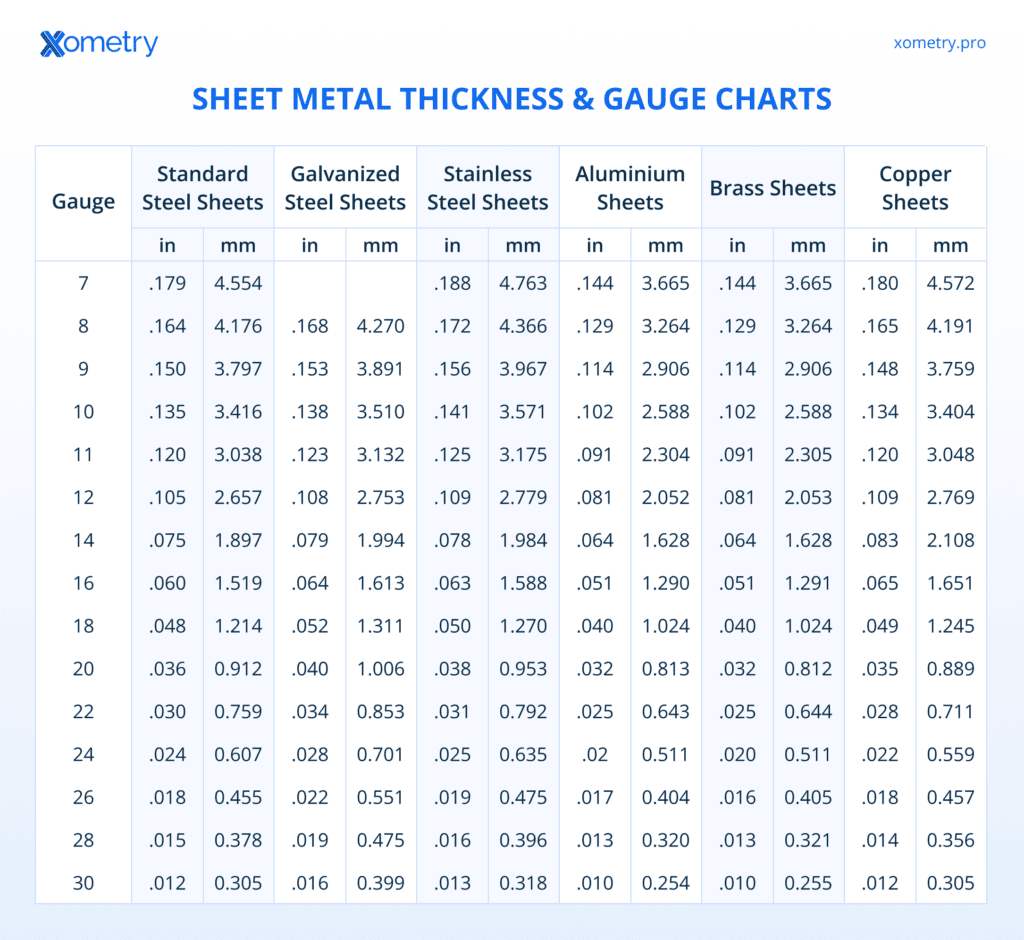
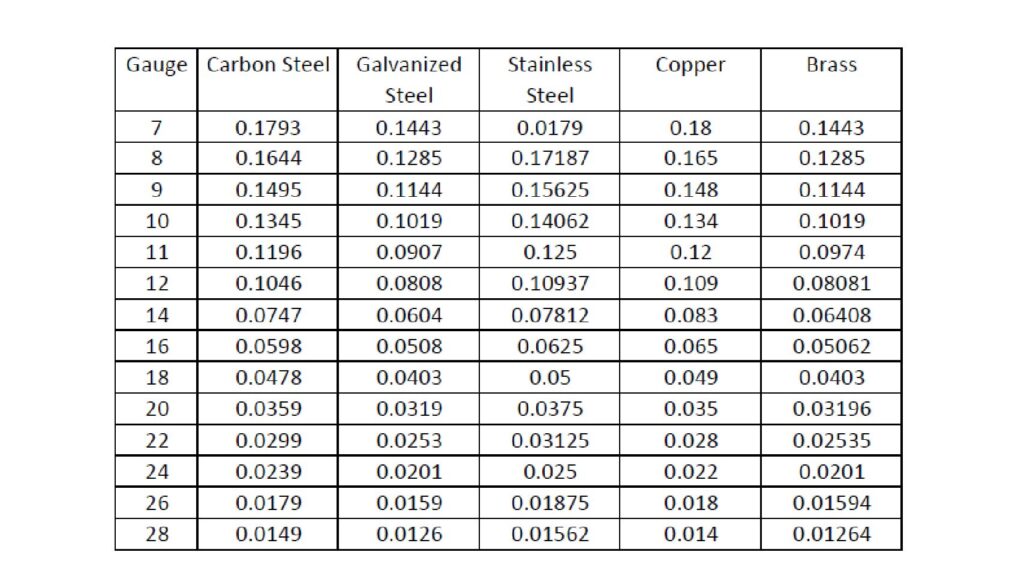
So, how thick *is* 10 gauge sheet metal? This is where it gets a little tricky. There's no universal standard that applies to all metals! However, when we talk about 10 gauge steel, we're generally referring to something around 0.1345 inches, or about 3.42 millimeters thick. That’s a bit thicker than a dime, but thinner than a nickel. It's a substantial thickness, offering a good balance of strength and formability.
Think of examples. You might find 10 gauge steel used in:
- Automotive body panels: Certain areas needing extra strength.
- Heavy-duty brackets and supports: In construction or industrial settings.
- Some appliance casings: Providing durability and protection.
- Custom metal fabrication projects: Where a robust yet manageable thickness is needed.
It's important to remember that different metals use slightly different gauge scales. For instance, 10 gauge aluminum will have a different thickness than 10 gauge steel. So, always specify the metal type when referring to gauge.
Ready to get started? Here are a few practical tips:
- Use a gauge chart: These charts are readily available online and provide the exact thickness for different metals and gauges. Keep one handy!
- Invest in a sheet metal gauge tool: These inexpensive tools allow you to quickly and accurately measure the thickness of sheet metal.
- Check the manufacturer's specifications: When purchasing sheet metal, always refer to the manufacturer's documentation for precise thickness information.
- Start with small projects: Practice cutting, bending, and welding different gauges to get a feel for their properties.
Understanding sheet metal gauges opens up a world of possibilities, allowing you to make informed decisions about materials and build projects with confidence. It might seem like a small detail, but grasping this concept empowers you to create, repair, and improve things around you. So, go forth and explore the world of sheet metal! You might be surprised at how much you enjoy it!