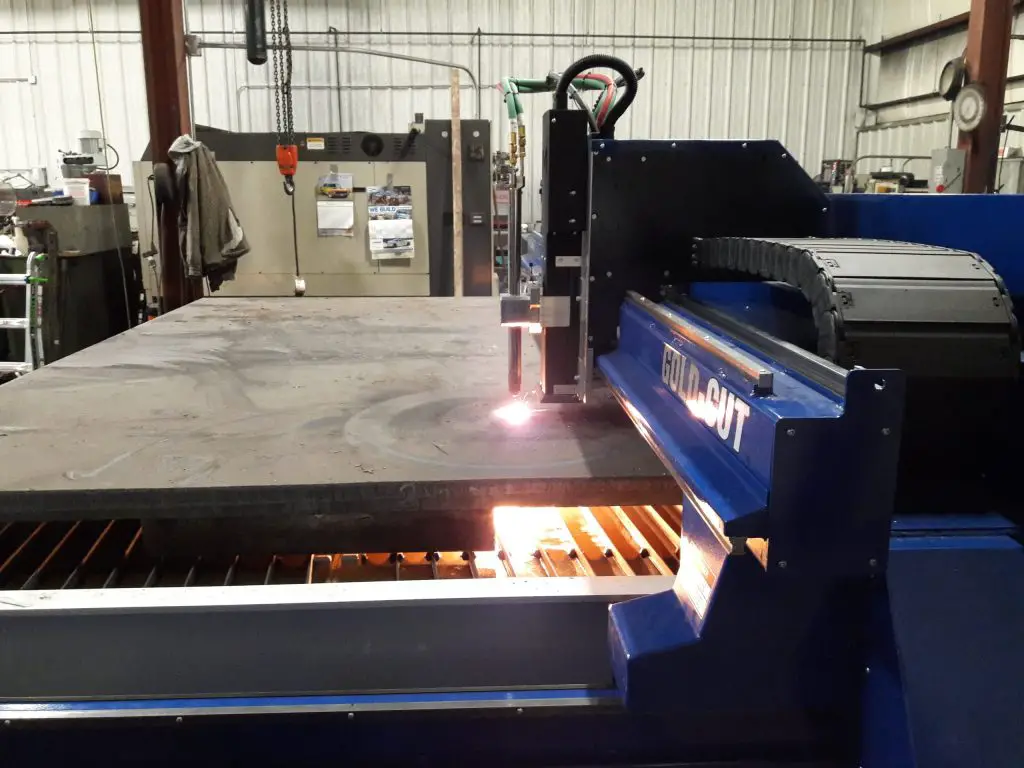
Alright, let's talk plasma cutters. Think of them as the ultimate metal-slicing superhero in your garage. But even superheroes have their limits, right? We’re not talking Superman levels of invincibility here. So, the question is: how thick of metal can these bad boys actually handle? It's like asking how many pancakes you can stack before the whole thing collapses – there’s a breaking point.
The short answer? It depends. Imagine asking how fast a car can go. A beat-up minivan isn't going to break any land speed records, just like a budget plasma cutter won't slice through inch-thick steel like butter. Different models, different power inputs, different nozzles… it all matters.
Generally, a smaller, more portable plasma cutter – the kind you might find at your local hardware store and plug into a regular wall outlet – will probably max out around 3/8 inch (9.5 mm) for mild steel. That’s decent! You can definitely chop up some old lawnmower blades or fabricate some bracketry. But trying to go thicker than that? You’re gonna have a bad time. Think trying to spread cold butter on toast – messy, frustrating, and ultimately unsatisfying.
Amperage: The Muscle Behind the Cut
The key factor here is amperage. Amperage is basically the muscle of the plasma cutter. More amps equals more power, which equals thicker metal. A 30-amp plasma cutter is like a teenager trying to move a couch – they might get it done eventually, but it’ll be slow and painful. A 60-amp plasma cutter is like a seasoned mover with a dolly – they’ll get the job done quickly and efficiently.
So, if you're planning on tackling some serious steel – like, say, fabricating a roll cage for your off-road buggy – you'll want a plasma cutter with a higher amperage rating, something in the 60-80 amp range or even higher. These industrial-grade machines can typically handle up to 1 inch (25.4 mm) or even thicker, depending on the material.
Material Matters, Too!
It's not just about the thickness, though. The type of metal you're cutting also plays a big role. Mild steel is generally easier to cut than stainless steel or aluminum. Think of it like this: cutting mild steel is like slicing through a soft loaf of bread, while cutting stainless steel is like trying to hack through a stale baguette. You'll need more power and a sharper blade (or, in this case, a higher amperage setting and a finer nozzle) to get the job done cleanly.
"Severance Cut" vs. "Clean Cut" - What's the Difference?
You'll often see two thickness ratings listed for plasma cutters: "severance cut" and "clean cut." Severance cut refers to the absolute thickest material the cutter *can* technically cut. It might be a jagged, messy cut, and you might have to fight it the whole way, but you'll eventually get through. Think of it like trying to open a jar with a butter knife when you don’t have a jar opener. You might eventually get the lid off, but it’s not pretty.
Clean cut, on the other hand, refers to the thickest material the cutter can cut *cleanly* and efficiently. This is the thickness you should aim for in most of your projects. It’s the difference between hacking through a jungle with a machete and carefully pruning a rose bush with shears.
Don't Push Your Luck (or Your Plasma Cutter)
Trying to cut metal that's too thick for your plasma cutter is a recipe for disaster. You'll end up with a messy, uneven cut, you'll wear out your consumables faster, and you could even damage the machine itself. It’s like trying to tow a truck with a bicycle – eventually something is going to break. And trust me, fixing a plasma cutter is rarely a fun or inexpensive experience.
So, before you start slicing and dicing, check your plasma cutter's manual and make sure you're within its recommended cutting range. And remember, it's always better to be a little conservative than to push your luck (and your plasma cutter) too far. Happy cutting!