
Okay, so picture this: I'm out there, sun blazing, wrestling with my ancient lawnmower (it's older than I'd like to admit, honestly). The grass is practically knee-high, a veritable jungle in what should be a respectable suburban backyard. My neighbor, bless his perpetually manicured lawn, is giving me *that* look. You know the one. The "are you *ever* going to mow that thing?" look. It got me thinking... how often *should* I be doing this, anyway?
That, my friends, is the million-dollar question. And the answer, frustratingly, isn't a simple one. It's not like baking a cake where you follow a recipe to the letter. Mowing frequency is more like... well, it's like figuring out what kind of outfit to wear each day. It depends!
The Golden Rule (Kind Of)
There's a general principle floating around in lawn care circles – it's called the "One-Third Rule." The idea is that you should never cut off more than one-third of the grass blade's height in a single mowing session. Why? Because hacking off a huge chunk stresses the grass out. Seriously, it does! It can lead to a brown, patchy lawn that's more susceptible to diseases and pests. And nobody wants that.
Think of it like a bad haircut. You know, the kind where the stylist takes off way more than you asked for? Your grass feels the same way. It's all "Ouch! I need to recover now!"
Factors Affecting Mowing Frequency
So, how do you apply the One-Third Rule in the real world? Well, consider these factors:
- Grass Type: Different types of grass grow at different rates. Kentucky Bluegrass, for example, tends to grow faster than Fescue. Knowing your grass type is key. (Don't know your grass type? Google is your friend!)
- Season: Grass typically grows fastest in the spring and fall when temperatures are moderate and there's plenty of moisture. You might need to mow twice a week during these peak growth periods. In the heat of summer or the dead of winter, growth slows down significantly, and you can probably get away with mowing less often – maybe every other week, or even less.
- Weather: Obvious, right? Plenty of rain = fast growth. Drought = slow growth. Adjust your mowing schedule accordingly. (And if you're in a drought, consider letting your grass grow a bit longer to help it conserve moisture.)
- Your Desired Lawn Height: This is a big one! If you want a putting-green-perfect lawn, you'll need to mow more frequently. If you're happy with a slightly longer, more natural look, you can let it grow a bit more between mowings.
- Fertilizer: A healthy dose of fertilizer can give your lawn a growth spurt. If you've recently fertilized, expect to be mowing more often.
Honestly, sometimes I feel like I'm running a mini-farm out here. All this to just keep the lawn from looking like a wild meadow!
Practical Tips for Mowing Success
Okay, so we've covered the theory. Now for some practical tips:
- Sharpen Your Blades: Dull mower blades tear the grass, leaving ragged edges that are more prone to disease. Sharpen those blades regularly! (Or, you know, pay someone else to do it. No judgment.)
- Mow in Different Directions: This helps prevent soil compaction and ensures that the grass is cut evenly. Plus, it gives your lawn a cool striped effect. (Think of it as lawn art!)
- Leave the Clippings: Grass clippings are a natural fertilizer. Leaving them on the lawn (a process called "grasscycling") returns nutrients to the soil. Just make sure the clippings are small and don't clump up.
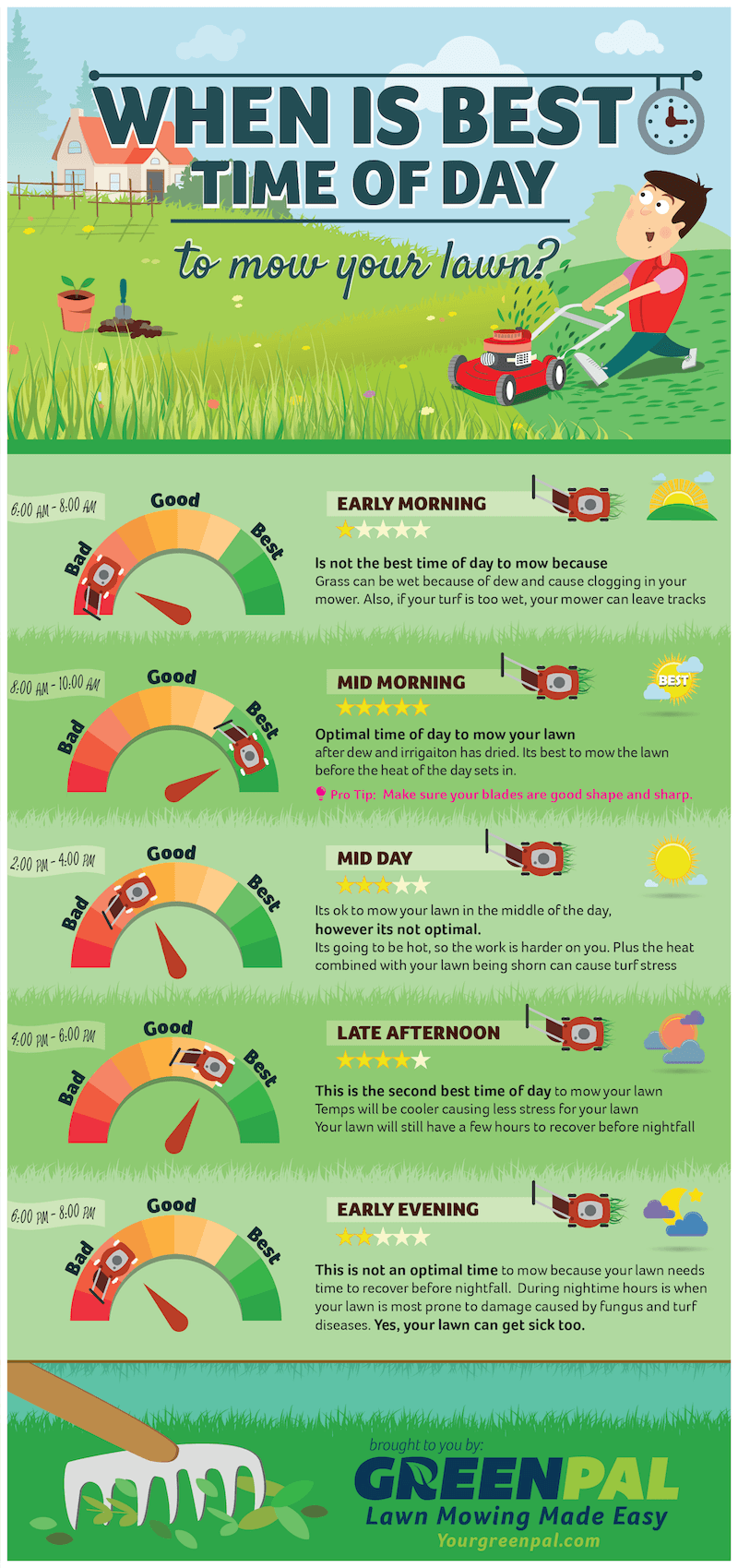
- Don't Mow When the Grass is Wet: Wet grass is harder to cut, and it can clog your mower. Plus, it's more likely to spread diseases.
The Lazy Gardener's Guide to Mowing
Alright, let's be real. Sometimes, life gets in the way, and mowing falls to the bottom of the to-do list. If you're a lazy gardener (like me, sometimes), here's my advice:
- Embrace the Slightly Wild Look: It's okay if your lawn isn't perfect. A slightly longer lawn is actually healthier for the grass, and it provides habitat for beneficial insects.
- Invest in a Robotic Mower: Okay, this is a splurge, but imagine never having to mow again! The robots do all the work. You can just sit back and enjoy your (slightly less manicured) lawn.
- Hire a Lawn Care Service: If all else fails, call in the professionals. It's worth it for the peace of mind.
Ultimately, the best mowing frequency is the one that works for you and your lawn. Pay attention to your grass, experiment a little, and find a schedule that keeps your lawn healthy and happy. And don't worry too much about what your neighbors think. Unless, of course, they're offering to mow it for you. Then, by all means, take them up on it!


