Okay, let’s talk about something wildly exciting: your well pump! I know, I know, it sounds about as thrilling as watching paint dry. But trust me, understanding how often it should cycle is like understanding the secret language of your house.
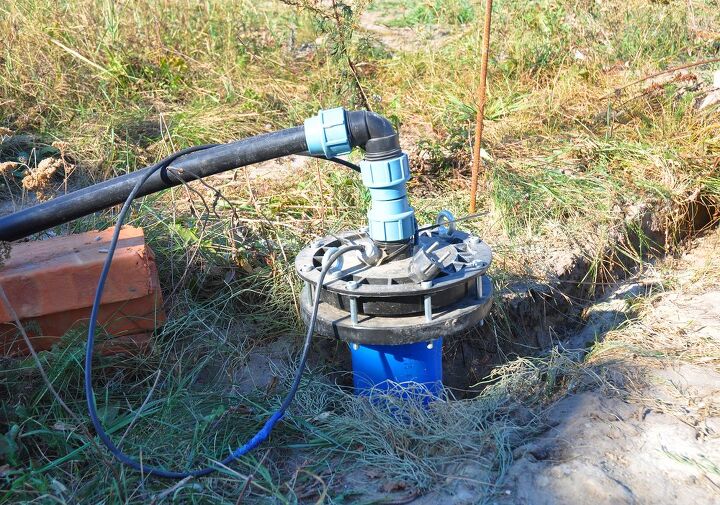
Think of your well pump as the tireless heart of your water system. It's down there in the dark, doing its job, bringing you glorious, life-giving H2O. Ignoring its rhythm is like ignoring your own heartbeat – eventually, things go a bit pear-shaped.
The Goldilocks Zone of Well Pump Cycling
So, how often should your well pump cycle? Well, it's not an exact science, and there's no magic number. We're aiming for the "just right" zone, like Goldilocks and her porridge.
A pump that cycles too frequently is like a hyperactive chihuahua – exhausting and likely to break down sooner. One that cycles too rarely? It might be slacking off, indicating a different problem, or worse, hinting at a well running dry.
The "Normal" Range (ish)
Generally, a healthy well pump might cycle a few times an hour, depending on how much water you're using. This could be 3-5 times per hour during peak usage. If you are only using a little water, it might cycle a handful of times a day.
If you're running a bath, watering the garden, and doing laundry simultaneously, expect more activity. If you’re away on vacation, you should see almost no activity.
It's all about finding your normal.
Signs Your Pump Might Be Overdoing It
Here are a few clues that your well pump is working overtime. Imagine your pump is sending you a frantic text message – these are the emojis it might use.
First, listen for the pump starting and stopping constantly, even when you're not using water. This is like the pump yelling, "Help! I'm exhausted!"
Also, keep an eye on your electricity bill. A pump that's cycling too often is sucking up unnecessary power. You might start wondering if you accidentally installed a Bitcoin mining rig in your basement.
Finally, watch out for sputtering faucets or inconsistent water pressure. These can be signs that the pump is struggling to keep up with demand. Think of it as your water supply system throwing a tantrum.
Possible Culprits Behind Frequent Cycling
So, what could be causing your well pump to act like a caffeinated squirrel? Let's investigate the usual suspects.
A common culprit is a leaky toilet. These sneaky water wasters can trigger the pump to cycle on and off intermittently. It's like a tiny drip, drip, drip conspiracy against your well.
Next, consider leaky faucets or pipes. Even a small leak can add up over time, causing the pump to work harder than it needs to. Think of it as your plumbing system slowly bleeding out.
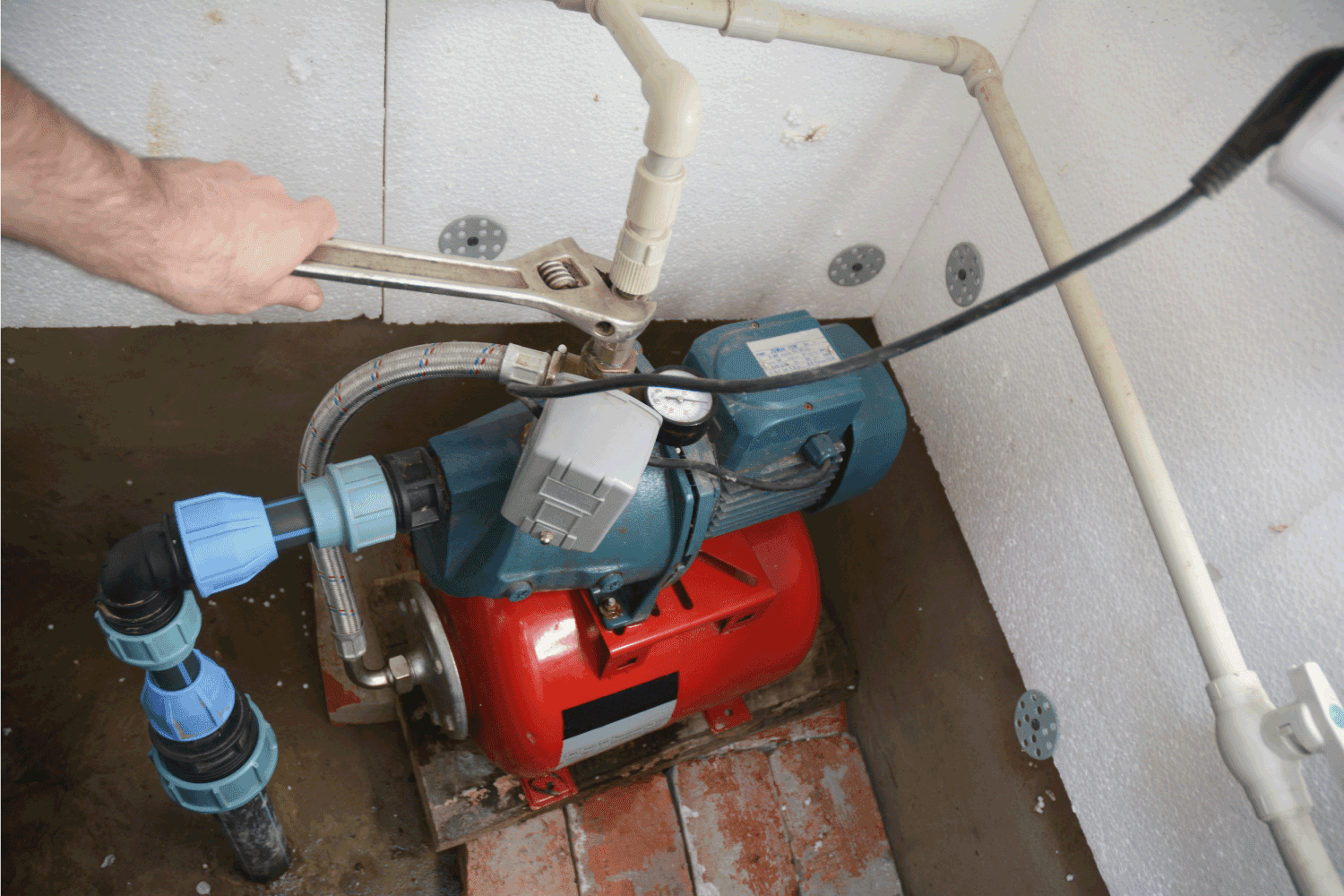
Another possibility is a failing pressure tank. This tank stores water under pressure, so the pump doesn't have to turn on every time you turn on a tap. If the tank is failing, the pump will cycle much more frequently. The pressure tank essentially acts like a buffer, providing water when the pump isn’t actively working.
Finally, you might have a problem with the well itself. A declining water table or a clogged well screen can force the pump to work harder to draw water. This is the most serious issue, and it may require professional attention.
When to Call in the Pros
Sometimes, diagnosing well pump issues is like trying to solve a Rubik's Cube blindfolded. You need expert help.
If you've checked for the obvious culprits (leaks, etc.) and your pump is still cycling excessively, it's time to call a qualified well technician. They have the tools and expertise to diagnose the problem and recommend a solution. Think of them as the well pump whisperers.
Also, if you notice any unusual noises coming from your well or pump, don't ignore them. Grinding, squealing, or banging sounds could indicate a serious mechanical problem. Your well pump is trying to tell you something important.
Remember, a healthy well pump is a happy well pump (and a happy homeowner!). Don't be afraid to seek professional help when needed. It's better to be safe than sorry, especially when it comes to your water supply.
The Tale of the Too-Chatty Well Pump
Let me tell you a story about my Aunt Mildred. She had a well pump that was *obsessed* with cycling. Seriously, it was like the pump was trying to win some kind of endurance contest.
At first, Aunt Mildred ignored it. She figured it was just the pump doing its thing. But then, her electricity bill skyrocketed, and she started hearing strange gurgling noises in the middle of the night.
Turns out, she had a tiny leak in her irrigation system. It was so small she had never even noticed it. However, that leak was enough to make the pump work overtime, driving Aunt Mildred crazy and costing her a fortune.
The moral of the story? Pay attention to your well pump. It might be trying to tell you something important, even if it's just a tiny leak in your sprinkler system.
Simple Steps to Monitor Your Well Pump
You don't need to become a certified well pump technician to keep an eye on your system. Here are a few simple things you can do to monitor its health.
First, listen to your pump. Get to know its normal sounds. Any sudden changes in noise could indicate a problem. Familiarizing yourself with the regular rhythm will help you identify any deviations.
Second, check your water pressure. Is it consistent, or does it fluctuate wildly? Inconsistent water pressure could be a sign of a failing pressure tank or a problem with the well itself.
Finally, keep an eye on your water bill. A sudden increase in water usage could indicate a leak somewhere in your system. Monitoring usage trends helps reveal anomalies.
A Few Final Thoughts
Your well pump is a vital part of your home. Treat it with respect and attention, and it will reward you with years of reliable service.
Understanding how often your well pump should cycle is like learning a new language. Once you understand the basics, you'll be able to spot potential problems early and prevent costly repairs.
So, listen to your pump, check for leaks, and don't be afraid to call in the pros when needed. With a little bit of care and attention, your well pump will keep your water flowing for years to come.
Remember, a well-maintained well system is not only good for your wallet but also good for the environment. Conserving water and preventing leaks helps protect this precious resource. Treat it kindly!