Ever wonder how much *stuff* our bodies can actually handle? I'm not talking about late-night pizza binges (though that's a pressure of its own kind, right?). I mean, how much actual physical pressure can a human being withstand before things start to, well, squish?
It's a pretty cool question, actually. And the answer, as with most things, is... it depends!
So, What Kind of Pressure Are We Talking About?
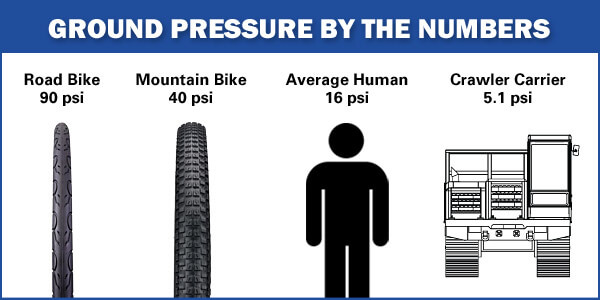
First things first, we need to get specific. Pressure is basically force exerted over an area. Think of it like this: You can lie on a bed of nails if there are enough nails evenly distributing your weight. One nail? Ouch! Lots of nails? Surprisingly comfy (relatively speaking!).
There's atmospheric pressure, the stuff we feel every day just by existing on this planet. There's pressure under water. And then there's impact pressure, like when you're suddenly decelerating in a car crash. Each one affects us differently.
Atmospheric Pressure: We're Already Under Pressure!
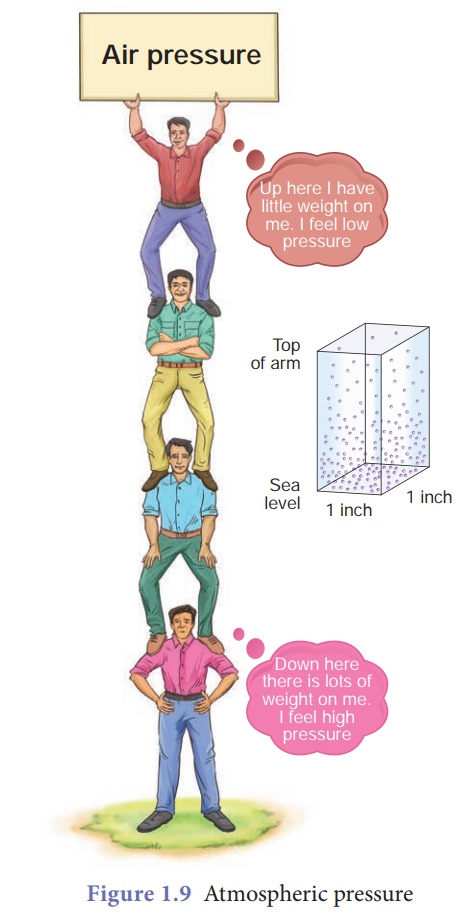
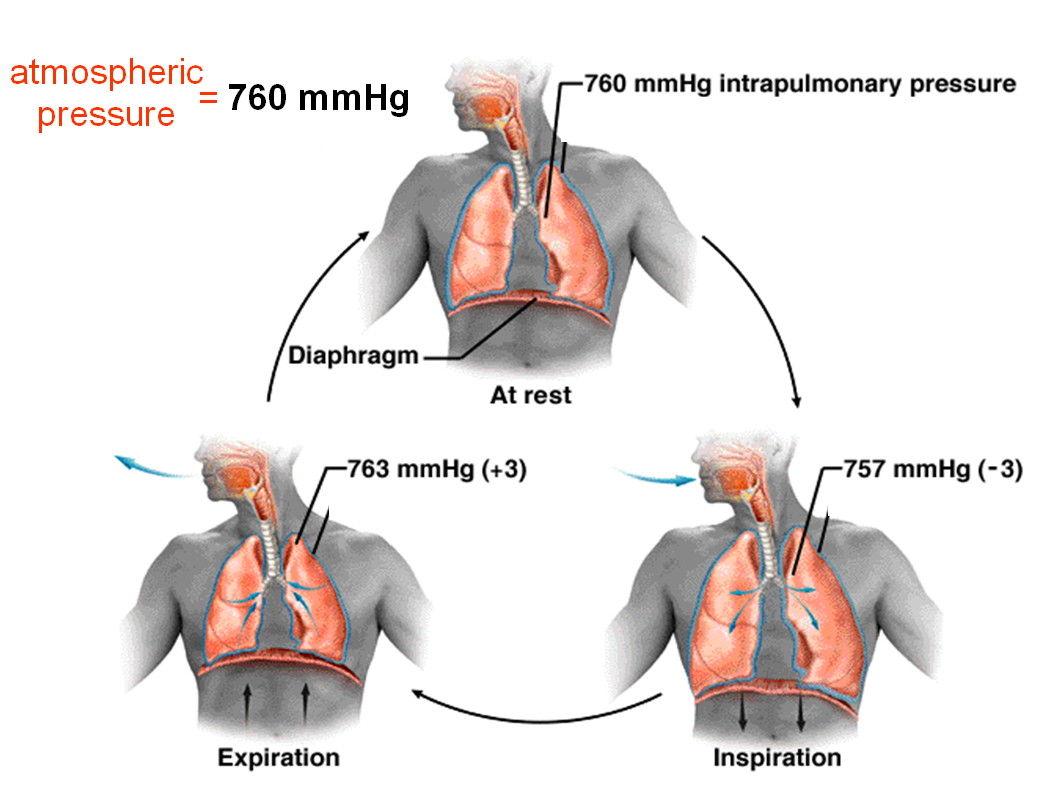
Did you know that at sea level, we're all constantly being squished by roughly 14.7 pounds per square inch (psi)? That's the weight of the air above us! Why aren't we crushed into tiny human pancakes? Because our bodies are cleverly designed to equalize that pressure. Internal air spaces, like our lungs and sinuses, balance things out.
But what happens when you change that atmospheric pressure? Think about climbing a mountain. The air gets thinner, meaning less pressure. This can lead to altitude sickness. Why? Because the difference between the pressure inside your body and outside becomes greater. Your blood vessels might dilate, causing headaches and other unpleasantness. It's like your body saying, "Hey, hold on a minute! Something's not right!"
Underwater Pressure: Going Deep!
Scuba divers know all about the immense pressure increases that come with depth. For every 33 feet you descend in saltwater, the pressure increases by another atmosphere (about 14.7 psi). So, at 100 feet, you're under almost four times the pressure you experience at the surface!
This is where things get interesting (and potentially dangerous). Our bodies can adapt to some extent. Experienced divers learn techniques to equalize the pressure in their ears and sinuses. But beyond a certain depth, the pressure can become overwhelming. Gas narcosis ("rapture of the deep") can impair judgment, and decompression sickness ("the bends") can cause serious tissue damage as dissolved gases in the blood form bubbles when ascending too quickly. Think of it like shaking a soda bottle really hard and then opening it suddenly – the bubbles gotta go somewhere!
How much pressure can a human actually withstand underwater? It's tough to say precisely. There are stories of deep-sea divers surviving incredible pressures, but those are often extreme cases with specialized equipment and careful procedures. Untrained individuals wouldn't last long at extreme depths.
Impact Pressure: Brace for Impact!
This is where things get truly brutal. Impact pressure is the force generated during a sudden collision or impact. Think car crashes, falls, or even just bumping your head really hard.
Here, the ability to withstand pressure depends on factors like the area of impact, the duration of the impact, and the person's physical condition. A glancing blow is much less damaging than a direct hit. A healthy, muscular individual might be better equipped to absorb the force than someone who's frail.
During car crashes, seatbelts and airbags are designed to distribute the impact force over a larger area and slow down the deceleration, dramatically reducing the pressure on the body. Without them, the forces involved can easily exceed the body's ability to cope, leading to serious injuries or even death. Think about hitting a brick wall. Now, imagine that wall is coming at *you* at 60 miles per hour. Pretty scary, right?
So, What's the Bottom Line?
There's no single, definitive answer to how much pressure a human can take. It depends on the type of pressure, the duration of exposure, and the individual's physical condition. Our bodies are remarkably resilient, adapting to the constant pressure of our atmosphere and even tolerating significant changes in pressure. But there are limits. Understanding those limits is crucial for activities like diving, mountaineering, and even just staying safe on the road.
Ultimately, it's pretty amazing how much we can endure, isn't it? Our bodies are complex, pressure-regulating machines, constantly working to keep us alive and kicking (sometimes literally!). Makes you appreciate the simple act of breathing, doesn't it?