Ever wondered where the power humming through your phone charger, lighting up your home, and even propelling your car actually comes from? It’s a pretty fascinating question, and digging into the answer reveals a world of innovations, challenges, and, most importantly, hope for a cleaner future. Specifically, how much of that energy pie is being carved out by renewable resources? That's what we're exploring today!
Why should you care? Well, for starters, understanding our energy sources is crucial for understanding the impact we have on the planet. Burning fossil fuels – coal, oil, and natural gas – releases greenhouse gasses, contributing to climate change. Renewable energy, on the other hand, offers a much cleaner alternative. Think of it as switching from a gas-guzzling car to a sleek, electric vehicle – the benefits for the environment are undeniable.
Renewable energy harnesses the power of nature, resources that are naturally replenished, unlike fossil fuels which are finite. The purpose of shifting towards renewable energy is simple: to create a sustainable energy system that meets our needs without jeopardizing the future of the planet. The benefits are far-reaching. Cleaner air and water, reduced greenhouse gas emissions, energy independence, and the creation of new jobs in the green economy are just a few.
So, what exactly are we talking about when we say "renewable energy"? The big players are solar, wind, hydro (water), geothermal, and biomass. Solar panels on rooftops and in sprawling solar farms convert sunlight into electricity. Wind turbines gracefully spin, capturing the kinetic energy of the wind. Hydroelectric dams harness the power of flowing water. Geothermal plants tap into the Earth's internal heat. Biomass involves burning organic matter, like wood or crops, for energy. Each of these sources contributes to the overall renewable energy mix.
You see renewable energy in action all around you, even if you don't realize it! Many schools and universities are installing solar panels to reduce their carbon footprint and teach students about sustainable practices. Electric cars are becoming increasingly common, powered by electricity that can (and hopefully does!) come from renewable sources. Even something as simple as using a solar-powered phone charger contributes to the bigger picture.
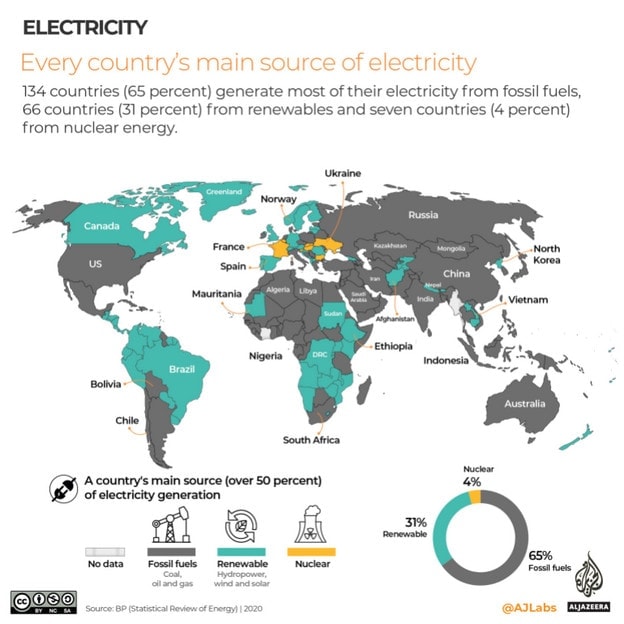
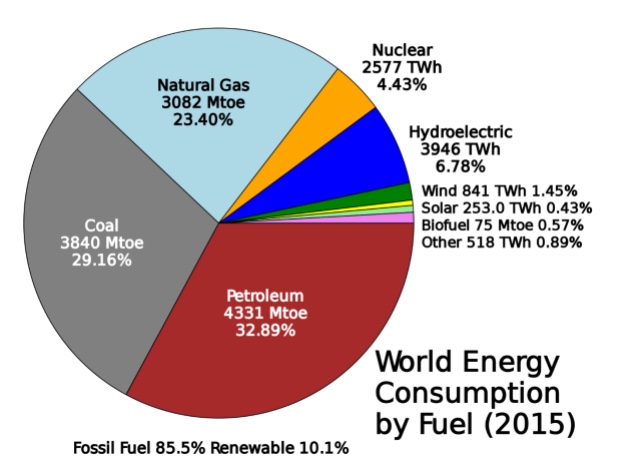
Estimating the exact percentage of global energy coming from renewables is a complex undertaking, with figures constantly changing. However, the general trend is upward. While the numbers fluctuate based on location and reporting methodologies, the International Energy Agency (IEA) and other organizations regularly publish data. As of the latest reports, renewables account for a significant and growing portion of global electricity generation and total energy consumption, with some countries leading the charge in adopting these technologies.
Want to explore this topic further? Start with a simple online search for "renewable energy statistics" to find up-to-date information from reputable sources. Many organizations like the IEA and the U.S. Energy Information Administration (EIA) offer free data and reports. Consider calculating your own carbon footprint and exploring ways to reduce it, such as switching to a renewable energy provider. You can also visit a local solar or wind farm to see these technologies in action. Every little bit of curiosity and action contributes to a more sustainable future!