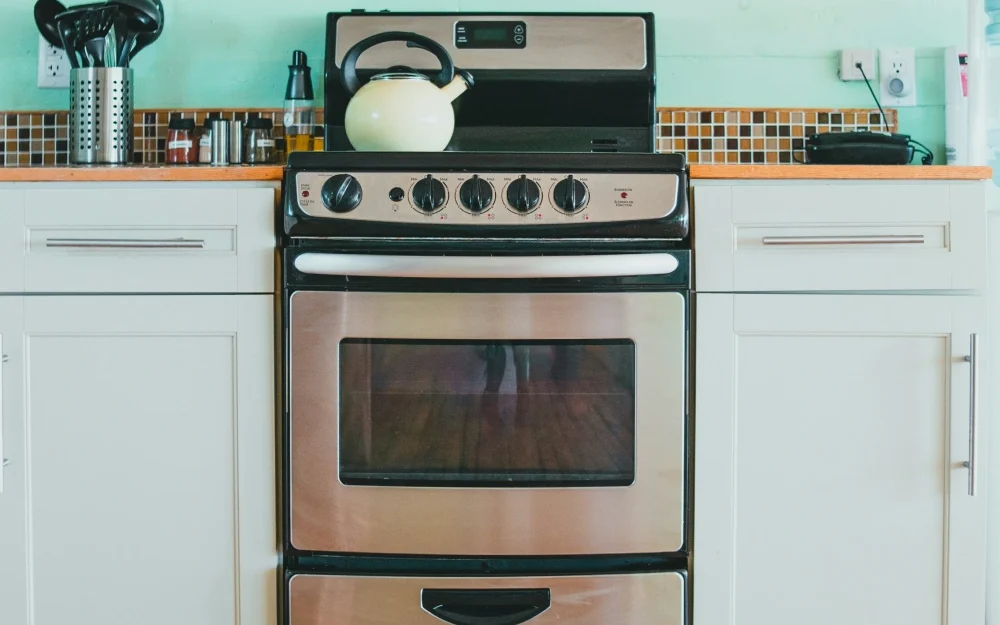
Let's face it, who doesn't love the warm, comforting feeling of a perfectly baked treat fresh from the oven? Whether it's the aroma of chocolate chip cookies wafting through the house, the satisfaction of a perfectly roasted chicken for Sunday dinner, or the sheer joy of biting into a homemade pizza, the oven is truly a kitchen workhorse. It's more than just a heating appliance; it's a portal to culinary creativity and deliciousness! We use it for everything from quick weeknight meals to elaborate holiday feasts, making it an indispensable part of modern life.
But have you ever stopped to wonder just how much energy all that baking, roasting, and broiling actually consumes? It’s a question that’s becoming increasingly important, especially as we all strive to be more mindful of our energy consumption and reduce our carbon footprint. Plus, let's be honest, understanding oven energy usage can help keep those pesky energy bills in check!
The oven's primary benefit is, of course, its ability to cook food evenly at consistent temperatures. This allows for a wide range of cooking methods, from baking delicate pastries to roasting hearty meats. Think about it: Thanksgiving turkey, birthday cakes, lasagna, casseroles – the list of oven-dependent dishes is practically endless! It saves us time and effort, allowing us to prepare complex meals with relative ease compared to other methods like stovetop cooking alone.
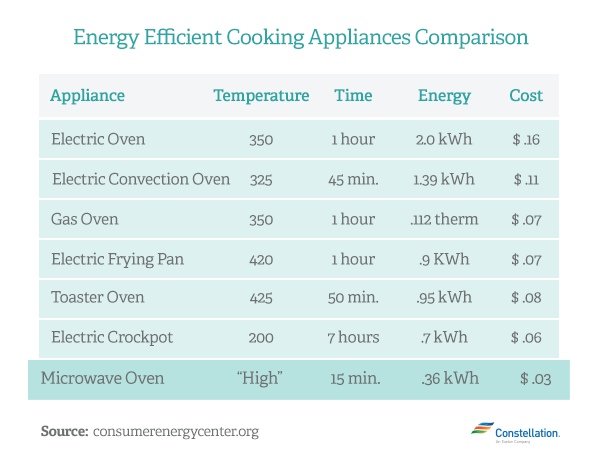
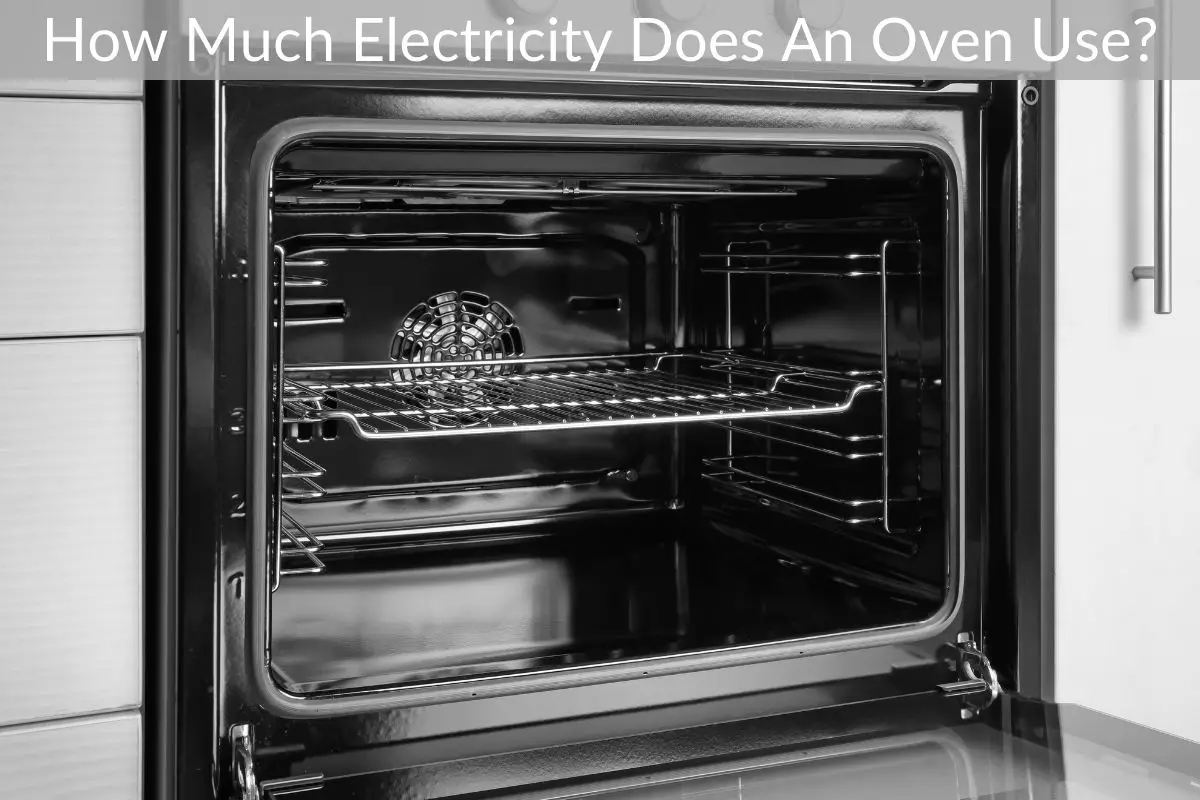
But back to the energy question. The amount of energy an oven uses depends on a few factors, including its size, type (electric or gas), temperature setting, and the duration of cooking. Electric ovens typically consume more energy than gas ovens, but they often heat up faster and offer more precise temperature control. A typical electric oven might use between 2,000 and 5,000 watts, meaning it could cost you anywhere from a few cents to over a dollar per hour to operate, depending on your electricity rates.
So, how can you enjoy your oven creations while being more energy-efficient? Here are a few practical tips:
- Preheat Wisely: Only preheat the oven for the time recommended in the recipe. Often, a full preheat isn't even necessary!
- Batch Bake: If you're baking cookies or other similar items, bake multiple batches at once. This way, you’re only heating the oven once.
- Use the Right Size Pan: Using a pan that fits well in your oven maximizes heat distribution and efficiency.
- Keep the Door Closed: Resist the urge to constantly peek inside! Each time you open the door, you lose heat, and the oven has to work harder to maintain the temperature.
- Consider Convection: If your oven has a convection setting, use it! Convection ovens circulate hot air more efficiently, reducing cooking time and energy consumption.
- Clean Regularly: A clean oven heats up more efficiently. Built-up grease and food debris can hinder heat distribution.
- Think Small Appliances: For smaller portions or quick tasks, consider using a toaster oven or air fryer. These appliances use significantly less energy than a full-sized oven.
- Residual Heat: Turn off the oven a few minutes before the food is fully cooked. The residual heat will usually finish the job, saving you a little energy.
By implementing these simple strategies, you can continue to enjoy all the delicious benefits of oven cooking while being more mindful of your energy consumption and your wallet. Happy baking (and roasting, and broiling!)