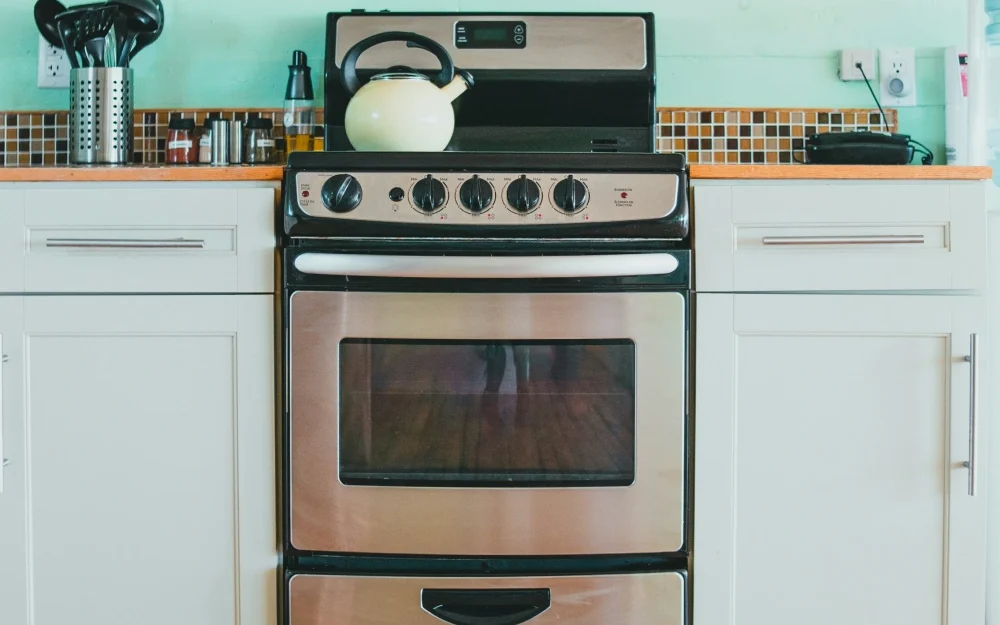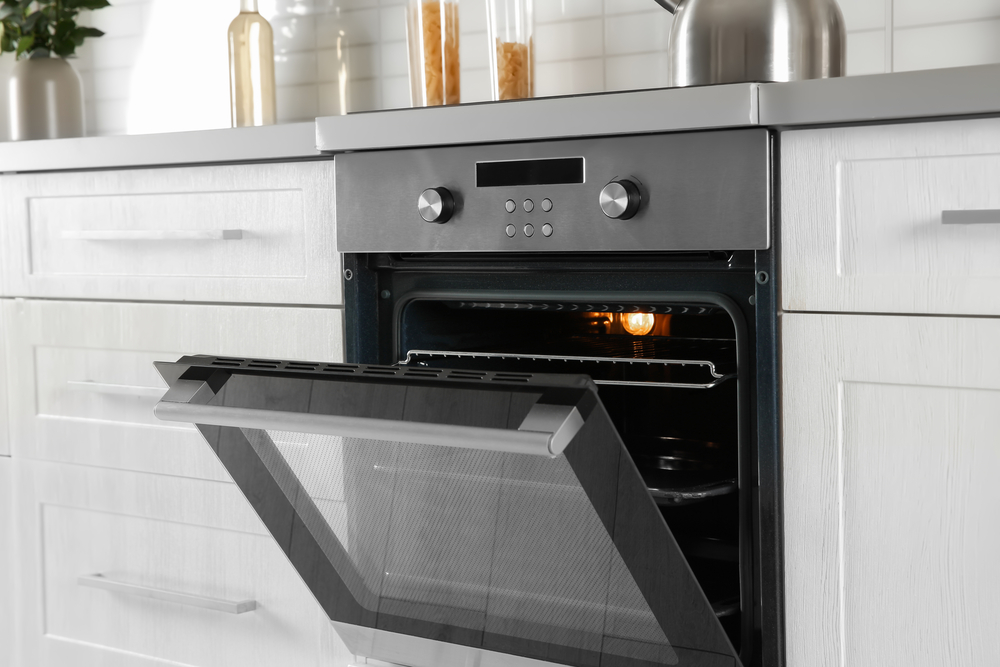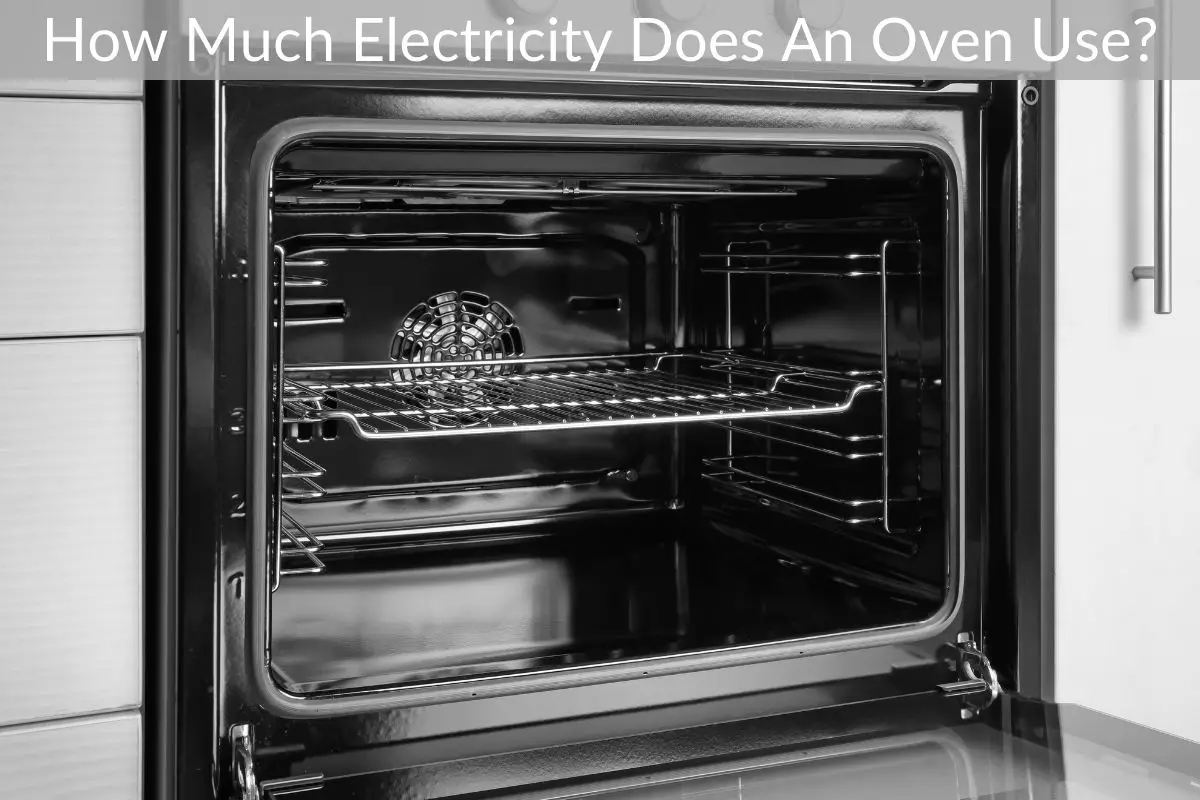
Let's be honest, who doesn't love the smell of freshly baked cookies wafting through the house? Or the satisfying sizzle of a roast dinner on a chilly evening? Ovens are truly culinary workhorses, playing a central role in creating some of life's simplest and most comforting pleasures. But as much as we rely on them, have you ever stopped to wonder just how much electricity your oven guzzles up each time you use it? It's a question worth exploring, especially as we all become more conscious of our energy consumption.
The oven's purpose is pretty straightforward: to cook food using dry heat. This seemingly simple function unlocks a world of possibilities. We can bake cakes, roast vegetables, broil meats, and even dehydrate fruits. Ovens are incredibly versatile and offer a consistent, even cooking environment that's hard to replicate with other methods. Think about it: without ovens, we'd be missing out on birthday cakes, Thanksgiving turkeys, and countless other cherished culinary traditions. The benefits extend beyond just delicious food, too. Cooking at home, often using an oven, can be healthier and more budget-friendly than constantly eating out.
The applications are endless. From everyday dinners like baked chicken and potatoes to elaborate holiday feasts, ovens are at the heart of countless meals. We use them for baking bread, making pizzas, roasting coffee beans, and even crafting homemade pottery (though you'll need a specialized kiln for that!). Modern ovens come in a variety of styles, including conventional, convection, and combination models, each with its own unique features and energy efficiency. You might have a built-in oven, a freestanding range, or even a countertop convection oven for smaller tasks.
So, how much electricity does an oven actually use? Well, it depends on a few factors, including the oven's size, type, temperature setting, and how long you're using it. A typical electric oven draws between 2,000 and 5,000 watts. To calculate the cost, you'll need to know the price you pay per kilowatt-hour (kWh) from your electricity bill. Multiply the oven's wattage (converted to kilowatts – divide by 1000) by the number of hours you're using it, and then multiply that by your cost per kWh. For example, a 3000-watt oven used for 1 hour at a rate of $0.20 per kWh would cost $0.60 (3 kW x 1 hour x $0.20/kWh = $0.60). It's also worth noting that self-cleaning ovens can use a significant amount of electricity during the self-cleaning cycle.
Now, for some practical tips to enjoy your oven more effectively and reduce its energy consumption: First, preheat your oven only when necessary. Many recipes don't actually require preheating. Second, avoid opening the oven door frequently, as this releases heat and forces the oven to work harder to maintain the temperature. Third, use the convection setting if your oven has one. Convection ovens circulate air, cooking food faster and more evenly, which can save energy. Fourth, cook multiple dishes at once to maximize your oven's usage. And finally, consider investing in a newer, more energy-efficient oven when it's time to replace your old one. By implementing these simple strategies, you can continue to enjoy the culinary delights your oven provides while minimizing your environmental impact and saving money on your electricity bill.