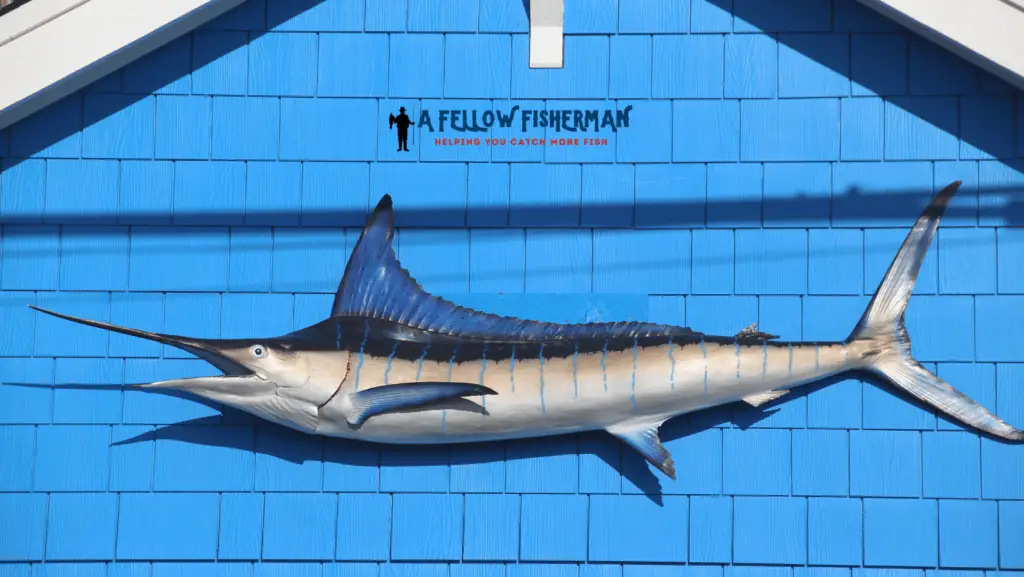
Ever landed a fish so magnificent, so…enormous, that you just had to show it off forever? We're talking about fish mounting, or taxidermy for your finned friends! Maybe you're curious because your buddy just caught a potential wall-hanger, or perhaps you're daydreaming about immortalizing your future record-breaker. Whatever the reason, figuring out how much mounting a fish costs is a common question for anglers. Let's dive in!
Why Bother Mounting a Fish? Besides the obvious bragging rights (and let's be honest, that's a big part of it!), mounting a fish serves several purposes. It's a way to preserve a cherished memory of a special fishing trip or a personal best catch. It’s also a stunning piece of natural art that can add character to your home, cabin, or even office. Think of it as a conversation starter and a reminder of the thrill of the catch, all rolled into one.
The Price Tag: Decoding the Costs So, how much will this aquatic masterpiece set you back? The answer, as you might suspect, is "it depends." Several factors influence the final cost, including:
- Size Matters: Generally, the bigger the fish, the higher the price. Taxidermists typically charge by the inch, so a massive marlin will cost significantly more than a humble crappie.
- Species Specifics: Some fish species are simply more challenging to mount than others due to their anatomy or the complexity of replicating their coloration. This can impact the price.
- Taxidermist's Skill and Reputation: An experienced taxidermist with a stellar reputation will likely charge more than someone just starting out. However, their expertise often translates to a more lifelike and durable mount. You get what you pay for!
- Type of Mount: You have a few options here. A skin mount involves using the actual skin of the fish. A replica mount, which is becoming increasingly popular, uses a fiberglass or resin mold and is painted to look like your fish. Replica mounts are often preferred for catch-and-release fishing and can be more durable in the long run. The price difference between the two can vary.
- Base and Habitat: A simple wooden plaque will be cheaper than a custom-designed base with artificial plants, rocks, and other elements to create a realistic underwater scene.
Ballpark Figures: What to Expect While prices vary widely, here's a general idea of what you might pay:
- Small Fish (Bass, Trout, etc.): $15-$25 per inch for skin mounts, slightly more for replicas.
- Medium Fish (Salmon, Walleye, etc.): $20-$35 per inch for skin mounts, similar for replicas.
- Large Fish (Marlin, Tuna, etc.): $30+ per inch, and potentially much higher depending on the complexity and the taxidermist's expertise. Replicas are often the preferred option for very large fish.
Important Tips for Saving Money (and Sanity):
- Do Your Research: Get quotes from multiple taxidermists before making a decision.
- Ask Questions: Inquire about their experience with the species you caught, their mounting techniques, and the materials they use.
- Proper Handling: Take care of your fish after the catch! Proper handling and freezing can greatly improve the final result and potentially save you money on repairs later. Consult with your taxidermist for specific instructions.
- Consider a Replica: If you're practicing catch-and-release, a replica mount is the ethical and often more cost-effective choice.
Mounting a fish is an investment, but it's an investment in a lasting memory and a unique piece of art. With a little research and careful consideration, you can proudly display your prized catch for years to come!