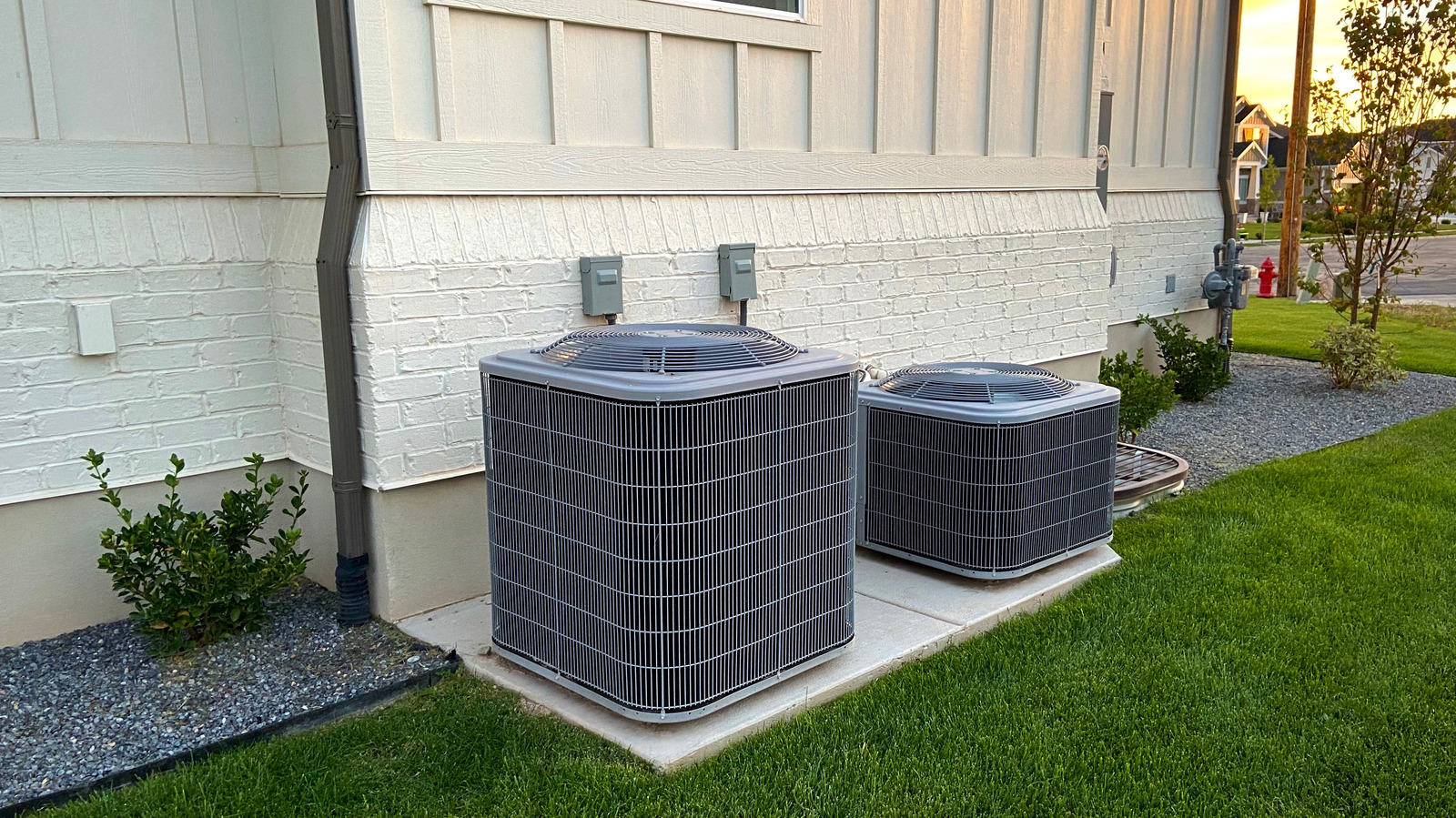
Okay, so your central AC is wheezing its last breaths? It's hotter inside than outside? Time to talk money. Specifically, how much a new central air conditioning system will set you back. Let’s dive in, shall we?
The Great AC Replacement Game: Price Edition
Think of replacing your AC like choosing a new car. You wouldn't walk in and say, "Give me a car!" without knowing anything, right? Same goes for AC units. There's a whole range of factors affecting the price tag.
So, what’s the deal with these factors? Let's break it down. No sweat (pun intended!).
Unit Size: Bigger Isn't Always Better (or Cheaper!)
First, there’s the size of the unit. We’re talking BTUs (British Thermal Units). It's the cooling power, basically. Think of it like horsepower in a car. A bigger house needs more cooling power. Naturally, bigger units cost more.
But don't think you can just slap in the biggest AC you can find! An oversized unit will cool too quickly. It won't properly dehumidify. Leading to that damp, uncomfortable feeling that defeats the whole purpose of air conditioning.
Also, oversized units cycle on and off rapidly. This wastes energy. And it puts extra wear and tear on the equipment. The Goldilocks size is crucial. Not too big, not too small, but just right.
SEER Rating: The Efficiency Superstar
Then there's the SEER rating. That's Seasonal Energy Efficiency Ratio. It's like MPG for your AC. Higher SEER means better efficiency. And better efficiency means lower energy bills. Cha-ching!
Higher SEER units cost more upfront. But they save you money over time. It’s an investment, not just an expense. Think long-term coolness and comfort, both for your family and your wallet.
The government has minimum SEER standards. So, everything is *relatively* efficient these days. Still, it pays to compare. And see how high you can comfortably go.
Labor Costs: Calling in the Pros
Don’t forget about labor! This isn't a DIY project, folks. Unless you're a certified HVAC technician with a penchant for pain. It's best to leave this to the pros.
Labor costs vary by region. And also by the complexity of the installation. A simple swap-out is cheaper than a full ductwork overhaul. Get multiple quotes.
Make sure the contractor is licensed and insured! This protects you from liability. If something goes wrong (and things sometimes do), you're covered.
Brand Name: The Loyalty Factor
Brand matters, too. Like cars, some brands have a reputation for reliability. And others… well, not so much. Established brands like Carrier and Trane often come with a higher price tag. But they might also offer better warranties and longer lifespans.
Newer or lesser-known brands might be cheaper upfront. But do your research! Check online reviews. Talk to your HVAC contractor. Make sure you're not sacrificing quality for price.
Brand loyalty is a personal choice. Just be informed. Understand what you're paying for.
Ductwork: The Hidden Highway
Speaking of ductwork, is yours up to snuff? Leaky ducts can waste a ton of energy. It’s like trying to fill a swimming pool with a hole in the bottom. It's an issue!
If your ductwork is old, damaged, or poorly designed, you might need to replace it. This adds to the overall cost. But it also improves efficiency. And ensures proper airflow. You want cool air where you need it, right?
Ductwork can be a hidden expense. But it’s worth investigating. A good contractor will inspect your ducts. And recommend any necessary repairs or replacements.
Permits and Inspections: Playing by the Rules
Don't forget about permits and inspections. Most municipalities require permits for HVAC installations. This ensures the work is done safely. And that it meets building codes.
Your contractor should handle the permit process. But make sure it's included in the quote. Inspections add a small cost. But they give you peace of mind. Knowing your system is installed correctly.
Skipping permits and inspections can lead to fines. And even void your warranty. It's not worth the risk. Play by the rules. It's in your best interest.
Additional Features: Bells and Whistles
Finally, there are the extra features. Things like smart thermostats, zoning systems, and air purifiers. These add to the cost. But they also enhance comfort and convenience.
A smart thermostat lets you control your AC from your phone. Set schedules. Adjust the temperature remotely. Zoning systems allow you to cool different areas of your house independently. Saving energy in unoccupied rooms.
Air purifiers improve indoor air quality. Removing allergens and pollutants. These are all nice-to-haves. But they're not essential. Consider your budget. And your needs. Choose what's right for you.
So, What's the Damage? The Price Reveal
Okay, let's get down to brass tacks. What can you expect to pay for a new central AC system? It's a broad range. But generally, you're looking at somewhere between $5,000 and $12,000. This includes the unit, labor, and basic installation.
Smaller homes with simple installations will be on the lower end. Larger homes with complex ductwork and high-efficiency units will be on the higher end. Again, get multiple quotes. Compare apples to apples.
Don't be afraid to negotiate. Ask about discounts. See if the contractor offers financing options. A new AC is a significant investment. Make sure you're getting the best possible deal.
Finding the Right Contractor: Your Quest Begins
Choosing the right contractor is just as important as choosing the right unit. A good contractor will assess your needs. Recommend the appropriate system. And install it properly.
Ask for referrals from friends and family. Check online reviews. Look for contractors with years of experience. And a good reputation. Get at least three quotes before making a decision.
Don't just go with the lowest bid. Consider the contractor's experience. Their reputation. And the quality of their work. A slightly higher price might be worth it. For peace of mind.
Maintenance: Keeping Your Cool
Once your new AC is installed, don't forget about maintenance! Regular maintenance will keep your system running efficiently. And extend its lifespan.
Change your air filters regularly. Schedule annual tune-ups with your contractor. Keep the outdoor unit clean and clear of debris. These simple steps can prevent costly repairs down the road.
Think of it like car maintenance. You wouldn't skip oil changes, right? Same goes for your AC. A little maintenance goes a long way.
The Bottom Line: Cool Comfort Awaits
Replacing your central AC is a big decision. But it's an investment in your comfort. And your home's value. Do your research. Get multiple quotes. Choose the right system. And the right contractor.
With a little planning, you can enjoy cool, comfortable air for years to come. So, embrace the process. Stay cool. And remember, a new AC is a breath of fresh (and cool!) air.
Now, go forth and conquer the heat! Your perfectly cooled home awaits!