Okay, let's talk about electricity bills in apartments. The thing that haunts us all month long! That little piece of paper (or, let's be real, an email) that tells us how much juice we've slurped up.
The Great Electric Bill Mystery
Figuring out how much electricity will cost you per month in your apartment can feel like solving a riddle wrapped in an enigma. But fear not! We're here to crack the code, or at least give you a good starting point.
Location, Location, Location!
First things first, your location plays a huge role. Electricity prices vary WILDLY depending on where you live.
Think of it this way: California sunshine might be glorious, but keeping cool in the summer heat can cost a pretty penny. Meanwhile, someone in a milder climate might barely notice their AC.
A quick Google search for "average electricity cost per kWh [your state]" will give you a good starting point. This is the price you pay for each kilowatt-hour (kWh) of electricity you use.
Apartment Size Matters
A sprawling penthouse is going to drink up way more electricity than a cozy studio. More space usually means more lights, more appliances, and more area to heat or cool.
Think of it like this: trying to cool a giant ballroom with a tiny fan? Good luck! You'll need a power-hungry AC unit for that.
The general rule of thumb? Bigger apartment, bigger bill.
Your Appliances: The Electric Bill Bandits!
Ah, your beloved appliances! They're convenient, they're helpful, but they're also secretly plotting to drain your bank account. Just kidding (sort of!).
Let's talk about the biggest culprits. These are the appliances that slurp electricity like it's going out of style.
Air Conditioning & Heating
These are the heavyweight champions of electricity consumption. Air conditioning, especially in the summer, can be a serious energy hog.
Heating, depending on whether it's electric or gas, can also be a major expense. Electric heating, in particular, is known for being a real budget-buster.
The more you crank up the AC or the heater, the more your bill will skyrocket.
Refrigerators
Your refrigerator is a constant worker. It's always humming, always cooling, and always using electricity.
While modern refrigerators are more energy-efficient than older models, they still contribute a significant chunk to your monthly bill. Keep it well-maintained, with clean coils, to help it run efficiently.
Consider if that extra mini-fridge in the home office is really worth the cost.
Water Heaters
Hot showers are a luxury, but they come at a cost. Electric water heaters use a lot of energy to keep that water nice and toasty.
Shorter showers, lower water heater temperature settings, and fixing leaky faucets can help you save a bundle. A dripping faucet can waste water *and* electricity!
Consider that water is heated even when you are not using it.
Lighting
Lights might seem innocent, but they can add up. Especially if you're still rocking incandescent bulbs.
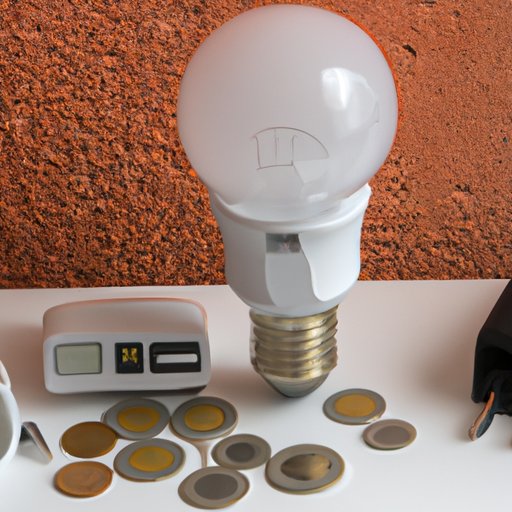
Switching to LED bulbs is a game-changer. They use a fraction of the electricity and last way longer. Plus, they come in all sorts of colors and brightness levels to suit your mood.
Leaving lights on in empty rooms is like throwing money out the window. Develop good habits!
Electronics (TVs, Computers, Gaming Consoles)
We love our gadgets! But all those TVs, computers, and gaming consoles consume electricity, even when they're not in use (vampire energy!).
Unplug chargers and devices when you're not using them. Use power strips to easily turn off multiple devices at once.
The phantom load from your electronics can really surprise you.
Your Electricity Usage Habits
How you use electricity is just as important as what you use. Are you a leave-the-lights-on kind of person? Or a super-efficient energy saver?
Little changes can make a big difference. Turning off lights when you leave a room, unplugging chargers, and being mindful of your thermostat settings can all help lower your bill.
Think of it as a game! How low can you go?
Estimating Your Monthly Bill: The Back-of-the-Envelope Calculation
So, how do you actually figure out how much your electricity bill will be? Here's a simplified approach:
- Find the average electricity cost per kWh in your state (we talked about that earlier).
- Estimate your average daily electricity usage in kWh. This is trickier, but you can look at your past bills (if you have them) or use online calculators to get a rough estimate based on your appliances and usage habits.
- Multiply your daily usage by the cost per kWh to get your daily electricity cost.
- Multiply your daily cost by the number of days in the month to get your estimated monthly bill.
Example: Let's say electricity costs $0.15 per kWh in your state, and you estimate you use 10 kWh per day. Your estimated monthly bill would be: 10 kWh/day * $0.15/kWh * 30 days = $45.
Keep in mind this is just an estimate! Your actual bill may vary depending on your specific circumstances. But it gives you a good starting point for budgeting.
Other Factors to Consider
Beyond the basics, there are a few other things that can affect your electricity bill:
- Time-of-use rates: Some utility companies charge different rates depending on the time of day. Using electricity during off-peak hours (usually at night) can save you money.
- Weather: Extreme weather (hot or cold) can lead to higher electricity usage.
- Building insulation: Poor insulation can make it harder to heat or cool your apartment, leading to higher energy bills.
- Appliance efficiency: Energy Star appliances use less electricity than older, less efficient models.
The Bottom Line
So, how much does electricity cost per month for an apartment? It really depends! But hopefully, this guide has given you a better understanding of the factors that influence your bill.
A reasonable range for a small apartment might be anywhere from $50 to $150 per month, but it could be higher or lower depending on your usage and location.
Remember, every little bit counts. Small changes in your habits can add up to big savings over time.
Happy saving! And may your electricity bills always be surprisingly low.