Let's talk about electricity! Specifically, how much ComEd charges per kilowatt-hour (kWh). Now, I know what you're thinking: "Electricity rates? That's boring!" But trust me, understanding this little detail can unlock some serious money-saving potential and help you become a true energy ninja. Think of it as cracking the code to your electricity bill – suddenly, those mysterious charges become a whole lot clearer.
So, why is knowing the price per kWh useful? Well, for beginners just learning about home finances, it's the foundation for understanding your biggest energy expense. For families, knowing the cost allows you to estimate how much that extra hour of screen time or running the AC all day actually impacts your budget. And for you hobbyists out there, whether you're a gamer with a high-powered PC or a maker with a workshop full of tools, understanding kWh costs helps you calculate the operating expenses of your passions.
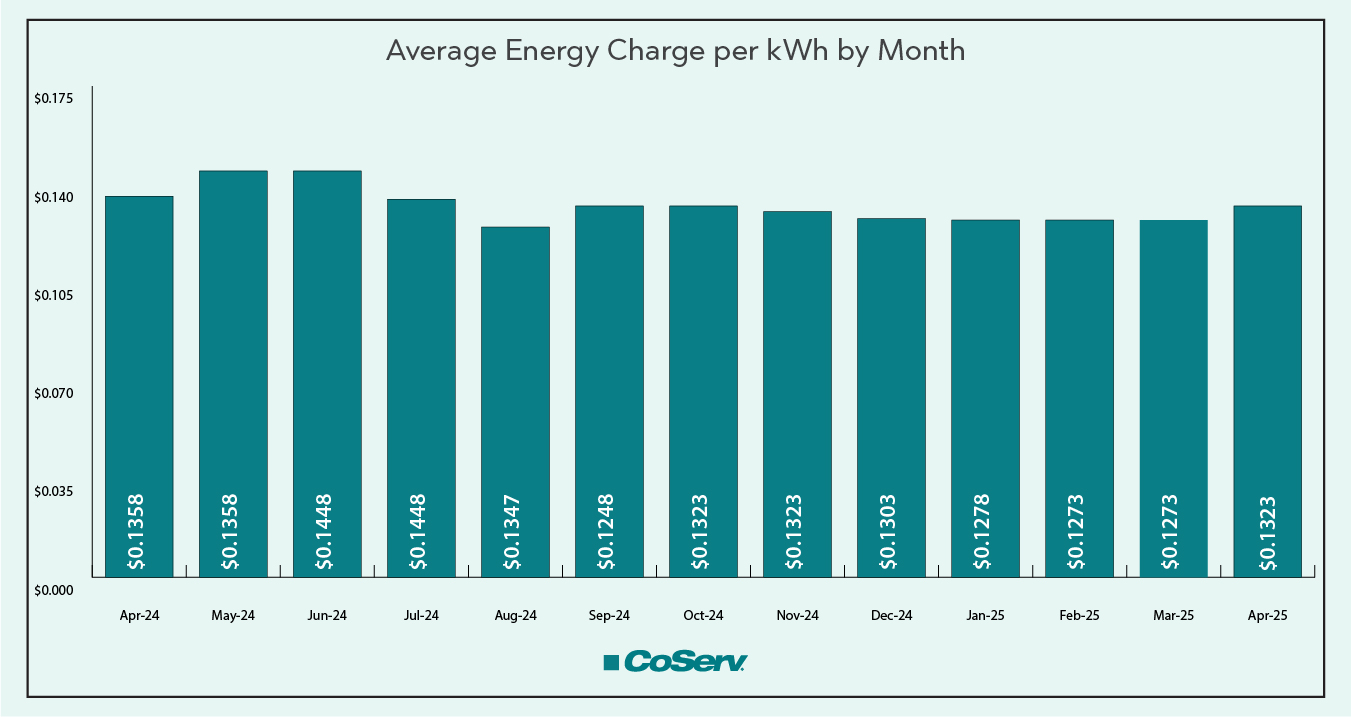
ComEd's pricing isn't always a fixed number. It can vary depending on the time of year and the type of rate plan you're on. For example, ComEd often has a standard rate, but they also offer time-of-use pricing. With time-of-use, electricity is cheaper during off-peak hours (like nights and weekends) and more expensive during peak hours (typically weekdays). Some community aggregation programs also impact your rate. Rates can also change based on regulatory factors.
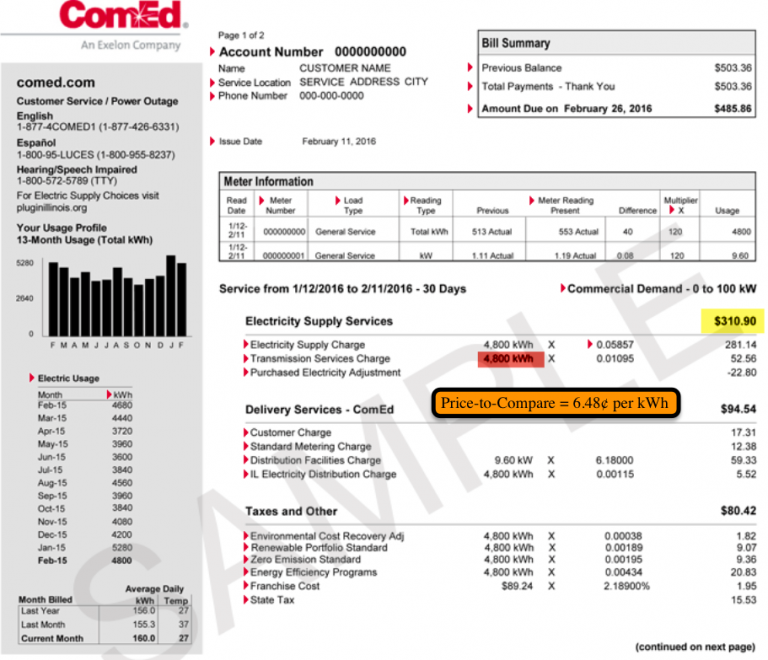
To find out the exact price per kWh you're currently paying, the easiest way is to check your most recent ComEd bill. Look for a section that breaks down the charges. It should clearly show the price per kWh. Another method is to visit the ComEd website. They usually have information on current rates, rate options, and any special programs you might be eligible for.
Okay, so now you know the price. What can you do with it? Here are a few practical tips to get you started:
- Calculate appliance costs: Find out the wattage of your appliances (it's usually printed on a label). Multiply the wattage by the number of hours you use it, then divide by 1000 to get kWh. Multiply that by your price per kWh to find the cost. For example, a 100-watt light bulb used for 10 hours consumes 1 kWh (100 * 10 / 1000 = 1).
- Identify energy hogs: Use an energy monitor to see which appliances are using the most electricity. Older refrigerators or inefficient appliances are often culprits.
- Adjust your usage: Shift energy-intensive activities to off-peak hours if you're on a time-of-use plan. Run your dishwasher and laundry at night or on weekends.
- Consider energy-efficient upgrades: Replacing old appliances with energy-efficient models, switching to LED bulbs, and improving insulation can significantly reduce your energy consumption.
Understanding your ComEd kWh cost isn't just about saving money; it's about taking control of your energy usage and making informed decisions. With a little bit of knowledge and effort, you can become an energy-saving champion and enjoy the satisfaction of seeing those lower electricity bills. So, go forth and conquer your kilowatt-hours! You might just find that managing your energy is surprisingly empowering and rewarding. It's all about finding the fun and value in being smart about your energy use.