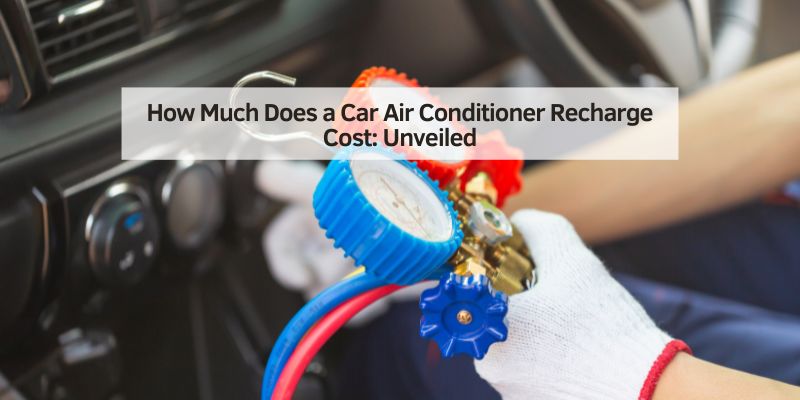
Okay, let’s talk about something we’ve all experienced, usually at the worst possible moment: a car AC that decides to take a vacation to Antarctica…without you. You crank it up, praying for a blast of icy relief, and instead, get a lukewarm puff that smells faintly of dust and regret. Sound familiar? That’s when the dreaded thought creeps in: "Uh oh, I probably need a recharge." But then comes the *real* gut punch: "How much is *this* gonna cost me?!"
Think of your car's AC system like a refrigerator – but one that’s constantly being jostled around on wheels and exposed to the scorching summer sun. The refrigerant, usually R-134a or the newer R-1234yf, is like the fridge's cooling juice. Over time, that juice can leak out, leaving your AC about as effective as a screen door on a submarine.
DIY Recharge Kits: The Tempting Gamble
Now, you're probably thinking, "I saw a DIY kit at the auto parts store for like, twenty bucks! Score!" And hey, I get it. The lure of saving money is strong. We’ve all been there, standing in the aisle, contemplating whether we're mechanically inclined enough to pull this off. It's like staring at an IKEA instruction manual – you *want* to believe you can do it, but deep down, you're pretty sure it'll end in tears and a half-assembled bookshelf.
DIY kits *can* work, but they come with a few **serious** caveats. First, you need to be absolutely sure you know what you’re doing. Overfilling your system is a surefire way to cause damage, and that cheap fix suddenly turns into a very expensive repair. Second, those kits don’t address the underlying problem: *why* did your refrigerant leak out in the first place? Slapping a band-aid on a broken bone isn't a long-term solution, is it?
The Professional Touch: What to Expect at the Shop
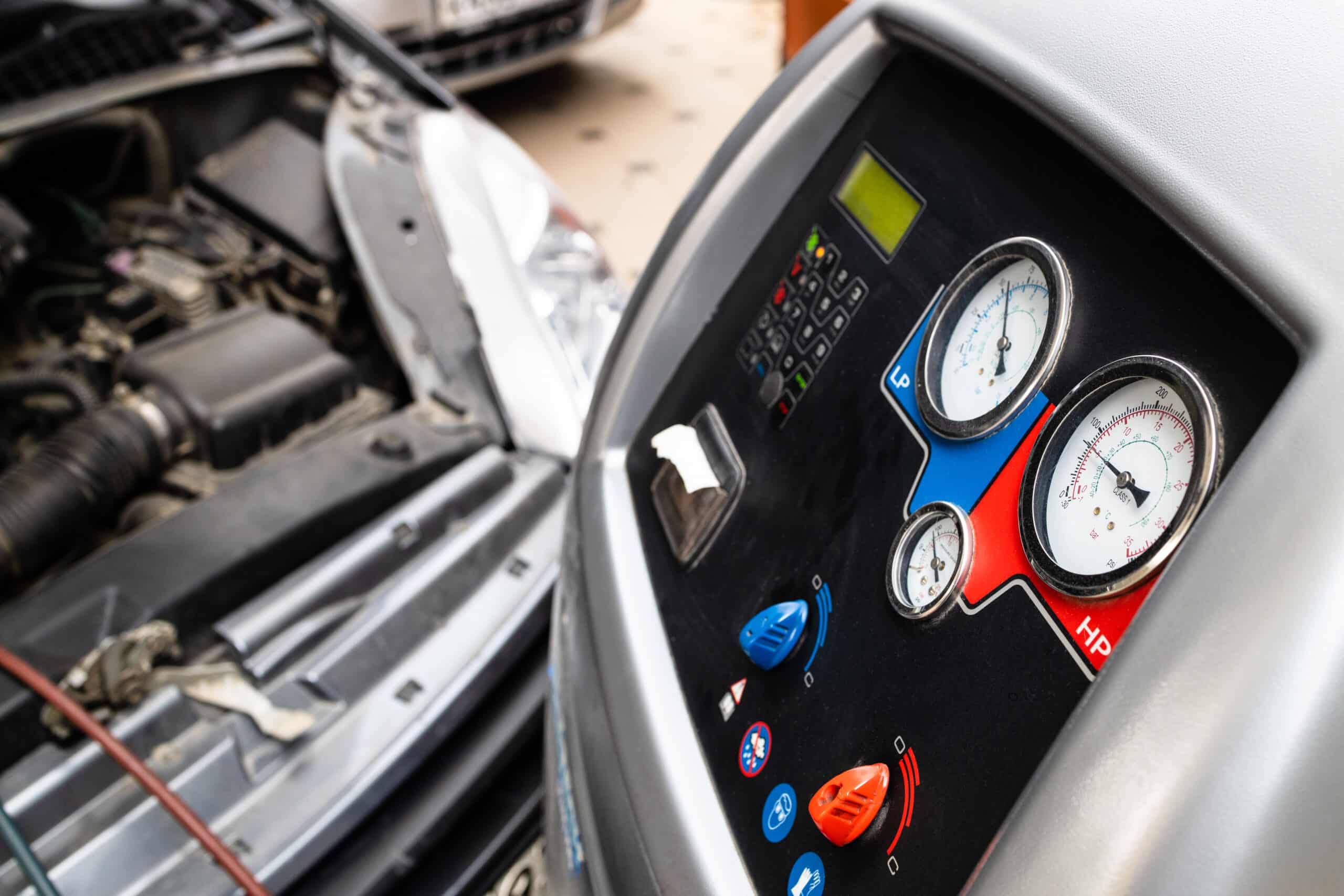
So, what's the alternative? Taking it to a professional. I know, I know, it’s not the most thrilling option. But think of it this way: you’re paying for expertise, specialized equipment, and peace of mind. It's like ordering pizza instead of attempting to bake one from scratch – sometimes, you just gotta leave it to the pros.
Here's the breakdown of what you can expect cost-wise:
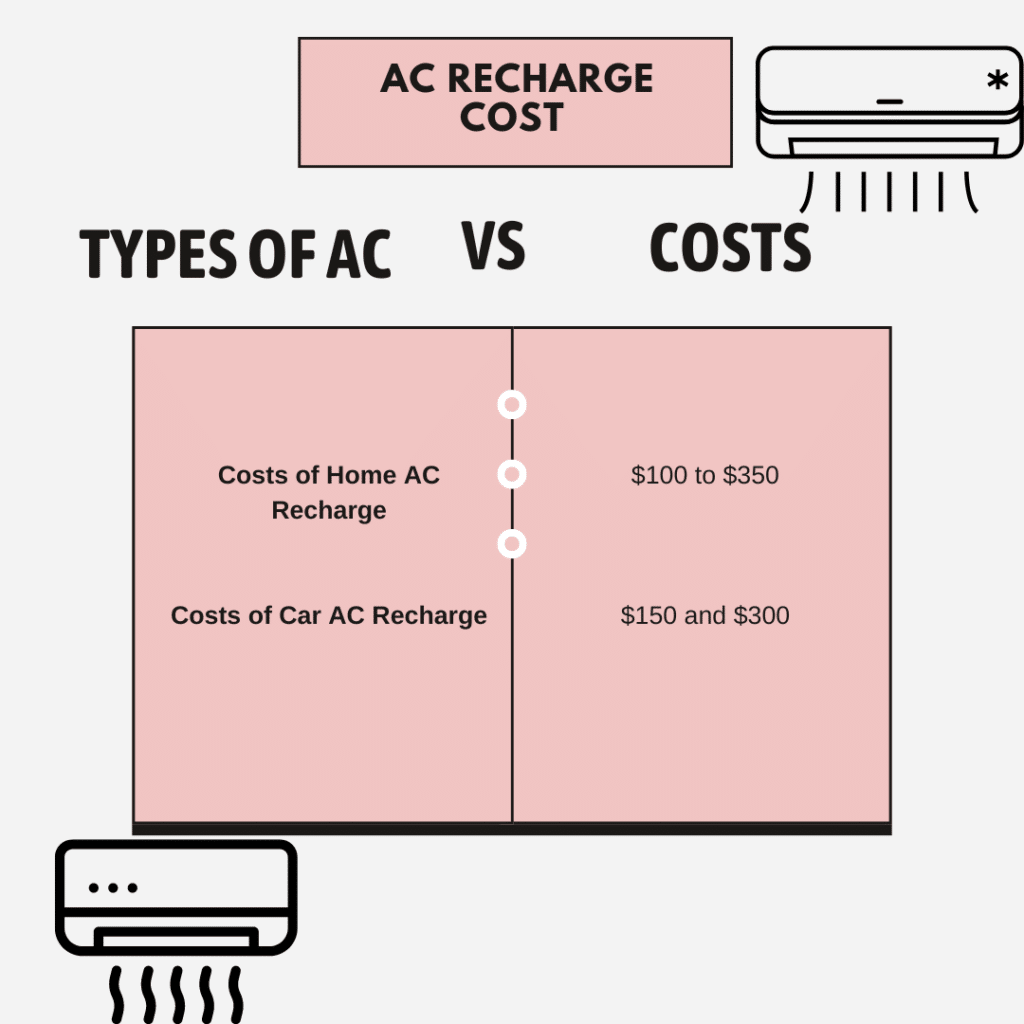
- Basic Recharge: This usually involves evacuating the old refrigerant, checking for leaks (sometimes using a dye), and refilling the system. Expect to pay anywhere from $150 to $300. The price can vary based on the type of refrigerant your car uses. R-1234yf, the newer stuff, is significantly more expensive than the older R-134a. Think of it as the difference between buying generic soda and the fancy imported kind.
- Leak Repair + Recharge: If they find a leak, which they often do, the price goes up. Replacing a simple O-ring might add $50-$100, while replacing a more complex component like a compressor or condenser can easily run you $500-$1000 (or even more!). It's like finding out your roof is leaking – a small patch is manageable, but a whole new roof? Ouch.
- Diagnostic Fee: Many shops charge a diagnostic fee, typically around $50-$150, to pinpoint the problem. Think of it as the doctor's copay.
The key is to get a clear explanation of the work being done and a detailed estimate *before* they start. Don’t be afraid to ask questions! It’s your car and your money. A reputable shop will be happy to explain everything in plain English (or at least try!).
Pro Tip: Preventative Maintenance
The best way to avoid a costly AC recharge is to keep your system in good shape. Run your AC regularly, even in the winter, to keep the seals lubricated. It's like exercising – a little effort regularly is better than a massive overhaul later on.
So, there you have it. The cost of a car AC recharge can vary wildly depending on the situation. Don't panic! Get some quotes, ask questions, and remember, a little preventative maintenance can go a long way. Now go forth and conquer that summer heat!