Okay, so you're thinking about ditching the gas pump and joining the electric revolution? Awesome! But one of the first questions that probably pops into your head is: "How much is this thing going to jack up my electric bill?" Let's break it down in a way that's easier to swallow than trying to decipher a complex energy report.
The Mileage Analogy: Dollars per Mile, Electric Style
Think about it like this: With a gas car, you worry about miles per gallon (MPG). With an EV, you're basically worried about dollars per mile, electric style. Instead of gallons, we’re talking kilowatt-hours (kWh). Don't run away! It's just the unit your electric company uses to bill you.
The average EV uses around 3-4 miles per kWh. This is a really important number, write it down, or put it on your fridge!
Now, what does *that* even mean? Well, to figure out how much it’ll cost to drive your electric beauty, you need to know the price of electricity in your area. That information is on your current electric bill.
Let's say your electricity costs $0.15 per kWh (that's a pretty average price in many parts of the US). If your EV gets 3 miles per kWh, then each mile costs you $0.05. (That's $0.15/kWh divided by 3 miles/kWh). Imagine driving for just *five cents* a mile! Talk about a game changer!
The "Phantom Load" and Other Energy Vampires (Not the sparkly kind)
Before you get too excited and start calculating how much you'll save on that cross-country road trip, let's be real. There are a few other things that impact the final number. We need to talk about your charging habits. Do you have the best and smartest way to keep that battery juiced up?
We will also need to address the "phantom load". These energy vampires are those pesky electronics that suck up power even when they're turned off (think phone chargers, TVs, and coffee makers). While they may not individually consume much power, collectively, they can add a noticeable amount to your bill.
Pro Tip: Consider using smart power strips that automatically cut off power to devices when they're not in use. They will help to kill those phantom loads. Every bit helps!
Charging Schedules and Time-of-Use Rates (Your New Best Friends)
Many electric companies offer something called "time-of-use" rates. This means that electricity is cheaper at certain times of the day, typically overnight when demand is lower. Think of it like happy hour for your electric car!
If you can charge your car during off-peak hours, you can save a significant amount of money. This might mean setting a timer on your charger or using the car's built-in charging schedule.
Imagine setting a timer on your charger to start at 10 PM when the rate goes down. Then, in the morning, you'll wake up to a fully charged car and a happy wallet! It's like magic, only it's actually smart energy management. Check if your electric company offers time-of-use rates; it could save you a ton!
Level 1, Level 2, and DC Fast Charging: Deciphering the Jargon
You'll also hear about different levels of charging: Level 1, Level 2, and DC Fast Charging.
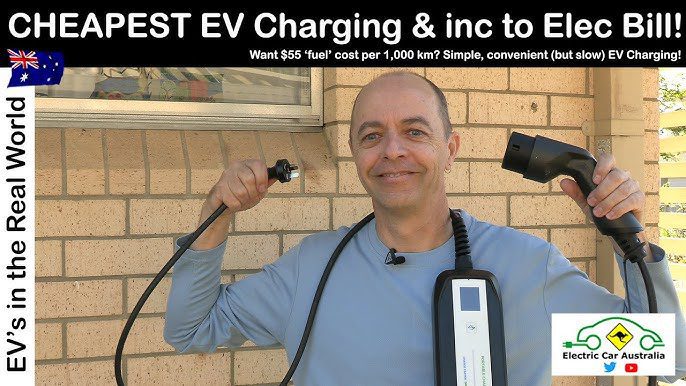
- Level 1 is your standard household outlet (120V). It's the slowest but requires no extra equipment.
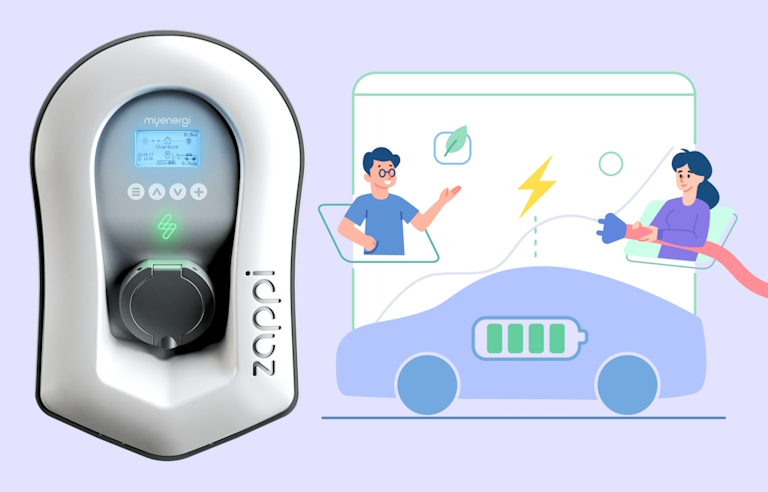
- Level 2 requires a dedicated 240V outlet (like the one your dryer uses) and a charging station. It's much faster than Level 1 and is ideal for overnight charging.
- DC Fast Charging is the fastest option, found at public charging stations. It can add a significant amount of range in a short amount of time.
Using a public DC Fast Charging station will add to your monthly expenses, as charging is often per minute or per kWh and is usually more expensive than at-home charging.
Why Should You Care? (Beyond the Money Savings)
Okay, so we've talked about the costs, but why should you even bother? Beyond the potential savings on your electric bill (and let's face it, who doesn't like saving money?), there are other *huge* benefits to driving electric.
For one, you're helping the planet! EVs produce zero tailpipe emissions, which means cleaner air for everyone. That’s an easy, and significant, way to reduce your carbon footprint. No more guilt trips every time you take a drive!
Plus, EVs are just plain fun to drive! They're quiet, smooth, and have instant torque. Imagine how much easier it will be to merge onto the freeway without gas consumption weighing you down.
Finally, EVs require less maintenance than gas cars. No more oil changes, tune-ups, or exhaust repairs. It's like giving your mechanic a permanent vacation!
So, while your electric bill will likely increase, the overall benefits of driving electric – from cost savings to environmental impact to driving pleasure – are well worth considering. Embrace the future, get plugged in, and enjoy the ride!