Hey there, future sun-soaker! Ever wondered about slapping some solar panels on your roof and going all eco-friendly? That's awesome! But before you start picturing yourself sipping iced tea powered entirely by sunshine, let's talk about something practical: how much those bad boys weigh. Because, you know, roofs are kind of important and we don't want them turning into unintended skylights. *wink*
So, What's the Damage? (Weight-Wise, That Is)
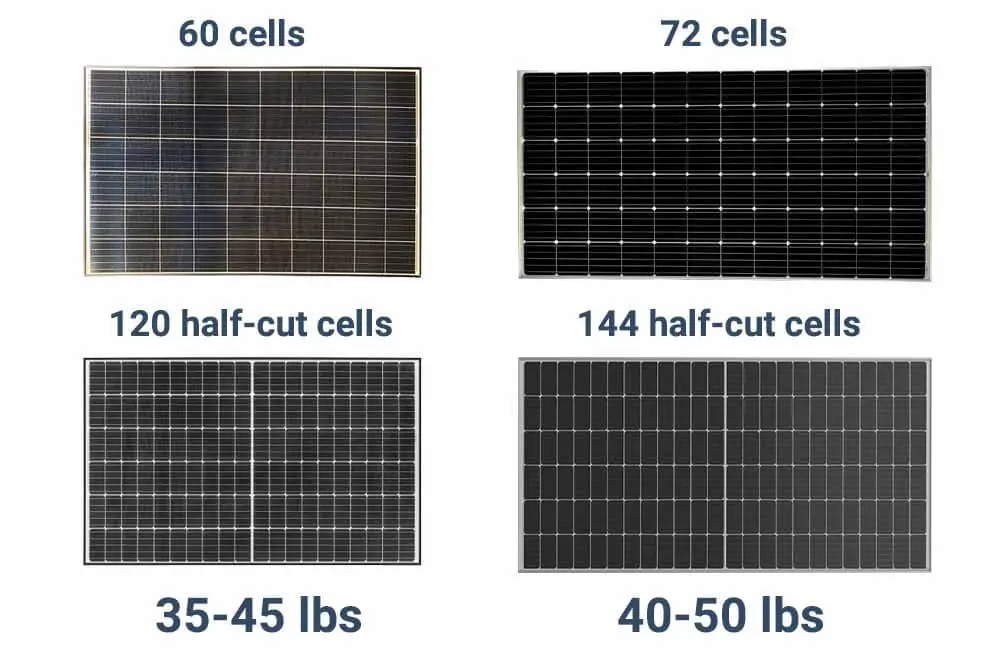
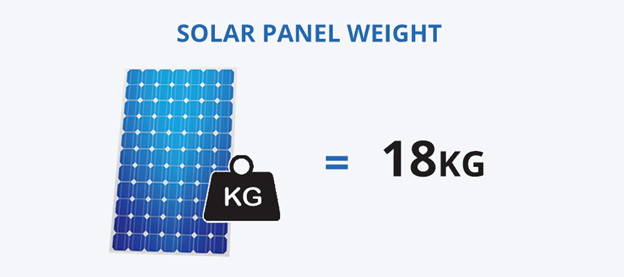
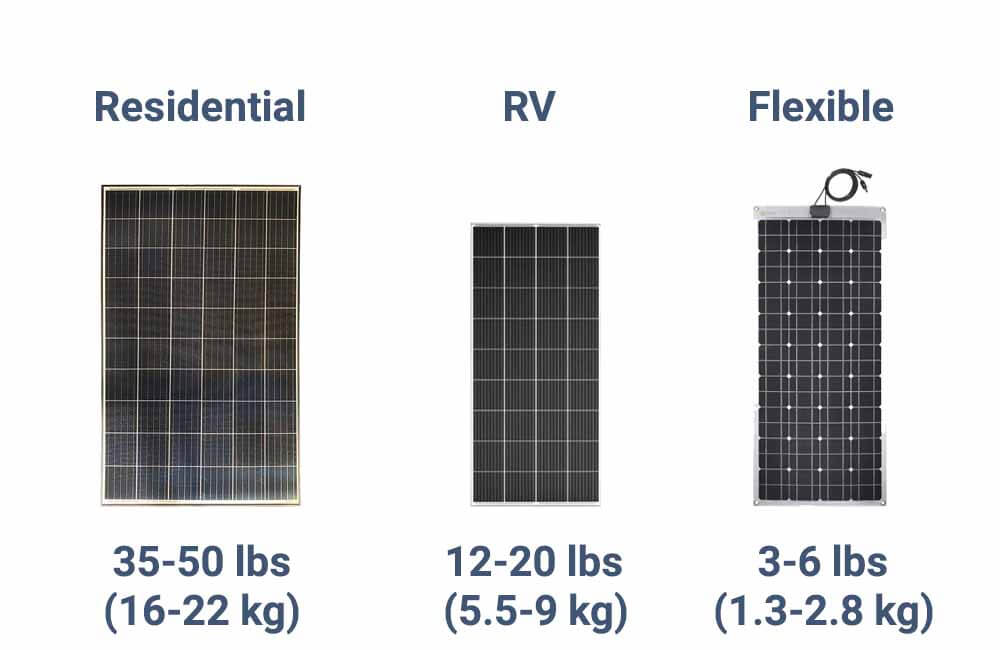
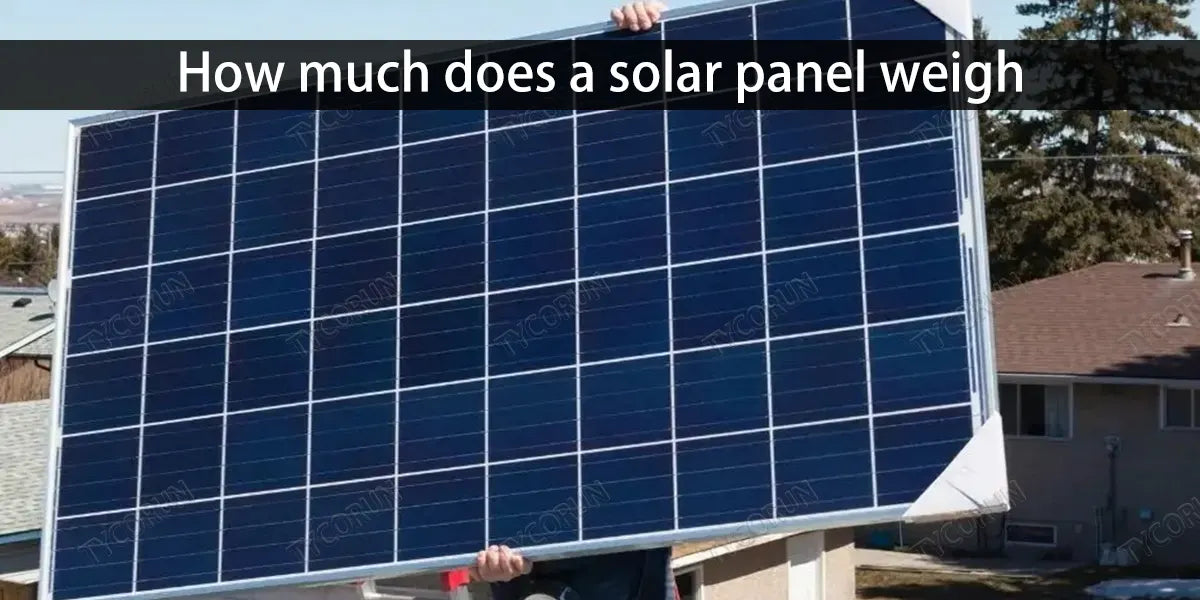
Alright, let's cut to the chase. The average solar panel weighs somewhere between 40 and 50 pounds. Yep, that's like lugging around a small-ish dog. A very flat, rectangular, electricity-generating dog. Don't try to pet it, though. Seriously.
Now, before you faint and decide solar power is only for bodybuilders, remember that’s just the *average*. Like people, solar panels come in all shapes and sizes. And, you guessed it, weights!
There are a few things that can influence the weight of a solar panel:
- Size: Bigger panel = more materials = more weight. Obvious, right? But sometimes the obvious needs saying.
- Materials: Different types of solar panels use different materials. Some are lighter, some are heavier. Think of it like comparing a feather boa to a lead apron. (Please don't make a solar panel out of either of those, though.)
- Frame: The frame around the panel is usually aluminum, and that adds weight. A sturdier frame adds even *more* weight. It's all about balance, folks!
Digging Deeper: Types of Panels and Their Weighty Secrets
Want to get a *little* more technical? Let's briefly touch on the main types of solar panels:
- Monocrystalline: These are the sleek, dark, efficient panels. Generally, they're on the heavier side, leaning towards that 45-50 pound range. They're like the serious, sophisticated weightlifters of the solar panel world.
- Polycrystalline: These are the ones with the slightly blue, speckled appearance. They're usually a tad lighter than monocrystalline panels, maybe shaving off a pound or two. Think of them as the yoga instructors – still strong, but a bit more flexible. (Metaphorically speaking, of course. Please don't try to bend your solar panels.)
- Thin-Film: Ah, the lightweights! These are super thin and flexible, and weigh significantly less – often under 30 pounds. They're like the acrobats of the solar panel world. But be warned, they're generally less efficient than the other types. So it's a tradeoff!
Keep in mind, these are *generalizations*. Always check the manufacturer's specifications for the exact weight of the panel you're considering. That spec sheet is your friend! Treat it well!
Why Does This Even Matter? (Besides the Roof Thing)
Okay, so why is knowing the weight important? Well, besides making sure your roof doesn't decide to become a swimming pool (not a good look), it affects a few other things:
- Installation: Heavier panels require more manpower and potentially different mounting hardware. This can impact the overall cost of your installation. So, factor that in!
- Roof Structure: You'll need to ensure your roof can handle the added weight. Get a structural engineer to take a peek if you're unsure! Better safe than sorry, right?
- Transport: Getting the panels to your house requires…well, transporting them! And that sometimes costs a bit more depending on the weight and number.
Basically, knowing the weight helps you plan properly and avoid any nasty surprises down the line. Like discovering your roof is slowly morphing into a trampoline. Not ideal.
Don't Panic! Your Roof Can Probably Handle It!
Okay, okay, enough with the doom and gloom. The good news is that most residential roofs are designed to handle the weight of solar panels! Building codes are pretty good at making sure roofs don't just spontaneously collapse. (Phew!)
The key is to get a professional solar installer to assess your roof and make sure everything is structurally sound. They'll know the local codes, the best mounting techniques, and how to distribute the weight properly. Think of them as the architects of your solar dreams!
And hey, even if your roof *does* need some reinforcement, it's often a worthwhile investment in the long run. Solar power is awesome, saves you money, and helps the planet! It’s like getting a gold star for being a responsible human. Who doesn't want a gold star?
So, go forth and explore the world of solar! Don't let the weight of the panels weigh you down! (Pun intended. Sorry, I couldn't resist.) With a little planning and the help of some experts, you'll be soaking up the sun's rays in no time!