So, you're thinking about a new well pump? Maybe your current one is giving you the side-eye, or maybe you're just doing some future-proofing. Either way, figuring out the cost can feel like navigating a maze. But fear not! We're here to break it down in a way that's…well, less like brain surgery and more like browsing for pizza toppings. (Pepperoni or mushrooms, anyone?)
Why Should I Even Care About Well Pump Costs?
Good question! Think of your well pump as the heart of your water system. It's what gets that precious H2O from deep underground and delivers it to your faucets, showers, and garden hose. Without it, you’re basically living in a really inconvenient desert. Knowing the potential cost of replacing it is like having a fire extinguisher handy – you might not need it today, but you'll be glad it's there when you do. Plus, wouldn't you rather be prepared than stuck with a surprise bill that makes your wallet weep?
It's also about making informed decisions. Is that "deal" on a new pump really a deal? Or are you sacrificing quality for a few bucks, only to have it break down in a year? Knowledge is power, my friend, and power means hydrated plants and happy showers!
Okay, Spill the Beans: How Much Are We Talking?
Alright, alright, let's get down to brass tacks. The cost of a new well pump can vary WILDLY. It's not like buying a loaf of bread where the price is pretty consistent. Instead, it's more like buying a car – there are tons of factors that influence the final price tag.
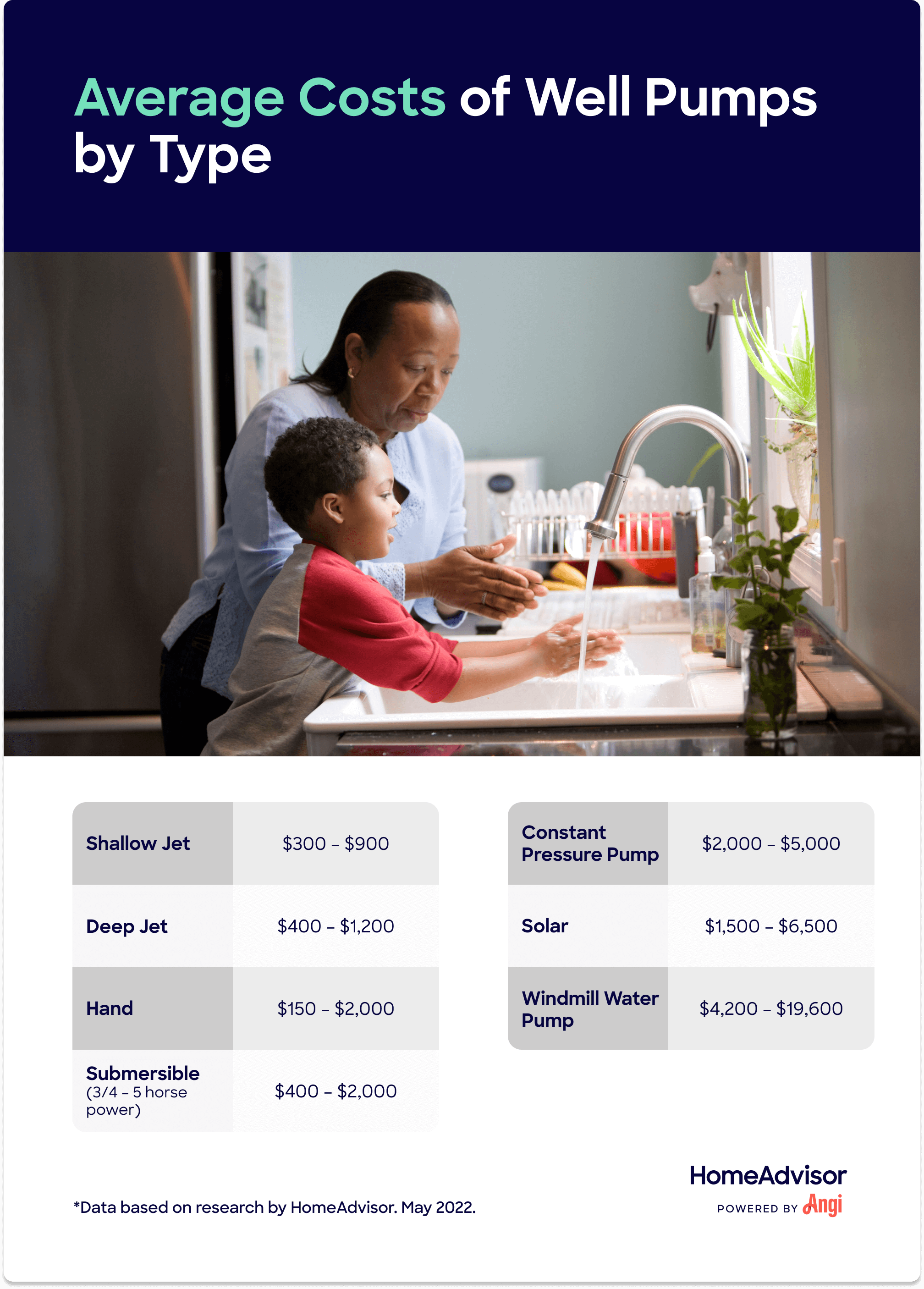
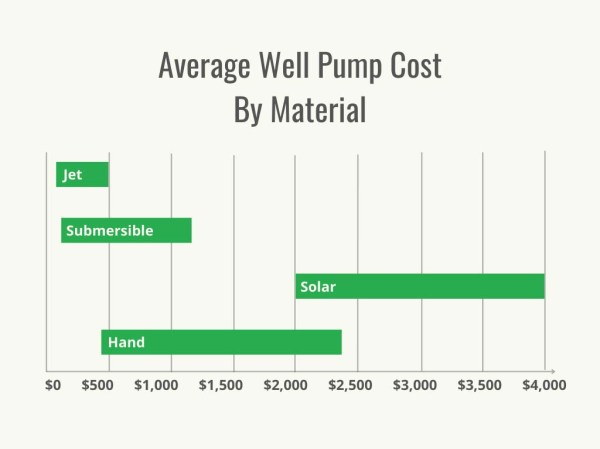
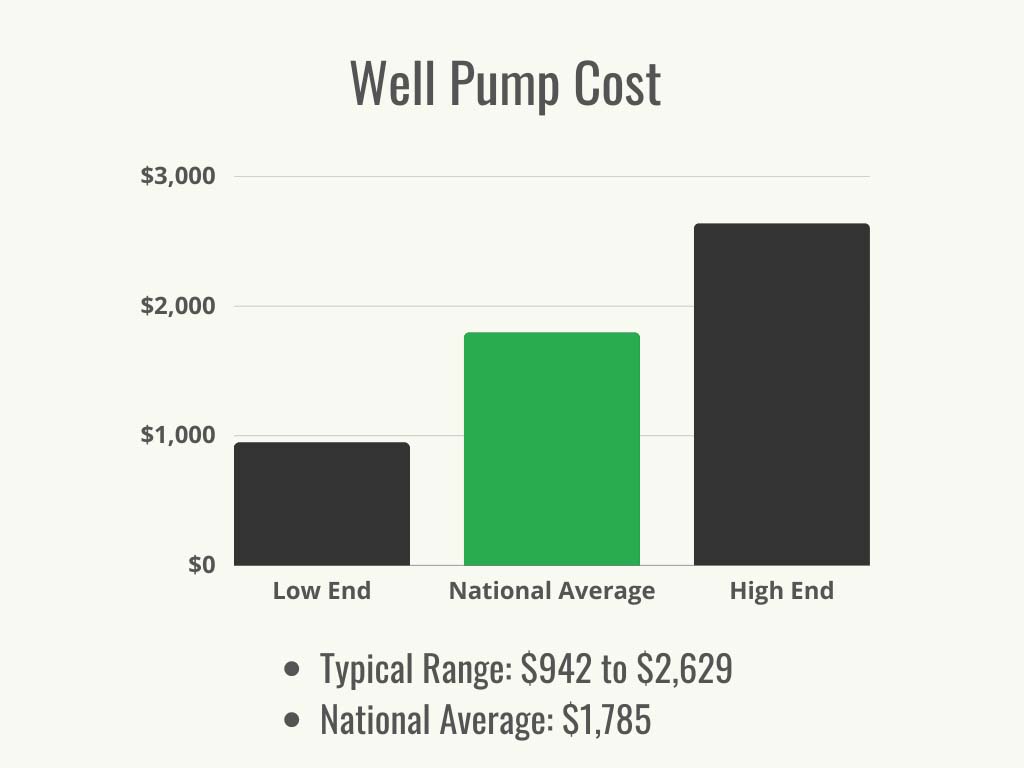
Generally, you're looking at a range of somewhere between $500 to $2,500 for the pump itself. And that's before installation. Installation can add another $500 to $2,000, depending on the complexity of the job.
Why such a huge range? Well, let's dive into the factors that drive up (or down) the cost:
- Type of Pump: Submersible pumps (the ones that live down in the well) are generally more expensive than jet pumps (the ones that sit above ground). Think of it like this: Submersible pumps are like ordering the premium, gourmet pizza with all the fancy toppings. Jet pumps are more like a classic pepperoni – still good, but less extravagant.
- Well Depth: The deeper your well, the more powerful (and expensive) the pump you'll need. It’s like needing a bigger engine for a steeper hill.
- Horsepower (HP): This measures the pump's power. A larger house with higher water demands will need a pump with more horsepower. Imagine trying to fill a swimming pool with a garden hose – you'd need a lot of hoses! Horsepower is similar.
- Brand and Quality: Just like with anything, some brands are known for their reliability and durability, and they often come with a higher price tag. Are you willing to spend a little more upfront for peace of mind down the road?
- Installation Complexity: Is your old pump easily accessible? Or is it buried under a pile of rocks and requires some serious excavation? The more complicated the installation, the more labor (and money) it'll cost.
Breaking it Down Further: Types of Well Pumps
Let's briefly touch on the two main types of well pumps:
- Submersible Pumps: These are the workhorses of the well pump world. They sit inside the well, submerged in the water. They're generally more efficient and quieter than jet pumps. Plus, they're less likely to lose their prime (which is a fancy way of saying they won't have trouble sucking up water).
- Jet Pumps: These sit above ground and use suction to pull water up from the well. They're typically less expensive than submersible pumps, but they're also less efficient and can be noisy. They're best suited for shallower wells.
Don't Forget These Extra Costs!
Besides the pump and installation, keep these potential expenses in mind:
- Permits: Some areas require permits for well pump installations. Check with your local authorities.
- Electrical Work: You might need to upgrade your electrical system to handle the new pump's power requirements. Think of it like needing a stronger outlet for a high-powered appliance.
- Well Inspection: It's a good idea to have your well inspected before replacing the pump to identify any other potential issues.
- Disposal Fees: Getting rid of the old pump might incur a disposal fee.
So, What's the Bottom Line?
Getting a new well pump can seem like a daunting expense, but understanding the factors that influence the cost can empower you to make informed decisions. Get quotes from multiple reputable contractors, ask lots of questions, and don't be afraid to negotiate. Remember, a little research can save you a lot of money (and potential headaches) in the long run!
And most importantly, don’t wait until your current pump completely dies before starting the process. Being proactive will give you time to shop around and avoid a waterless emergency!