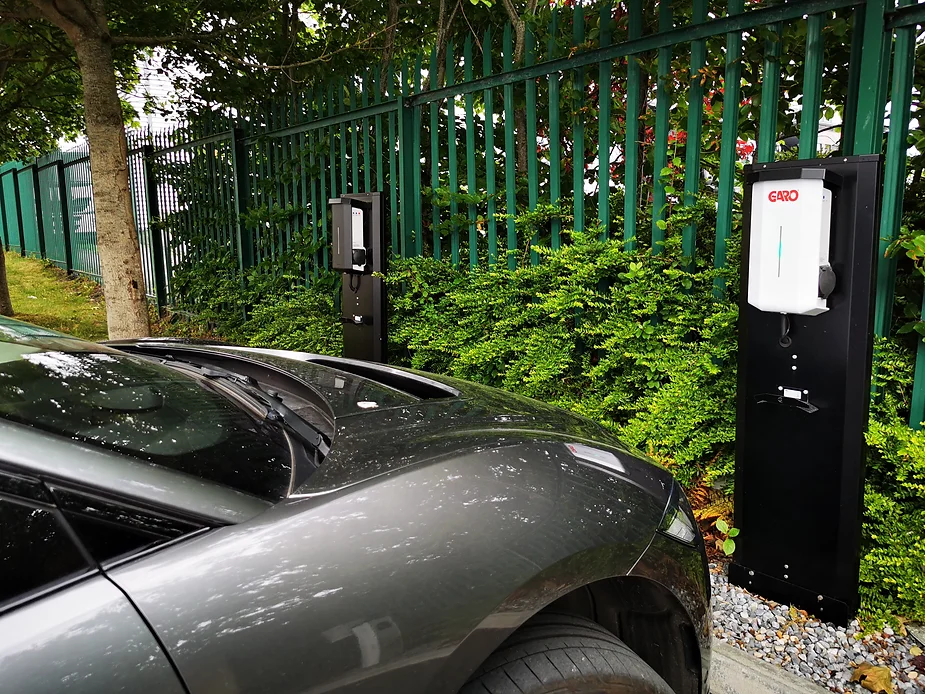
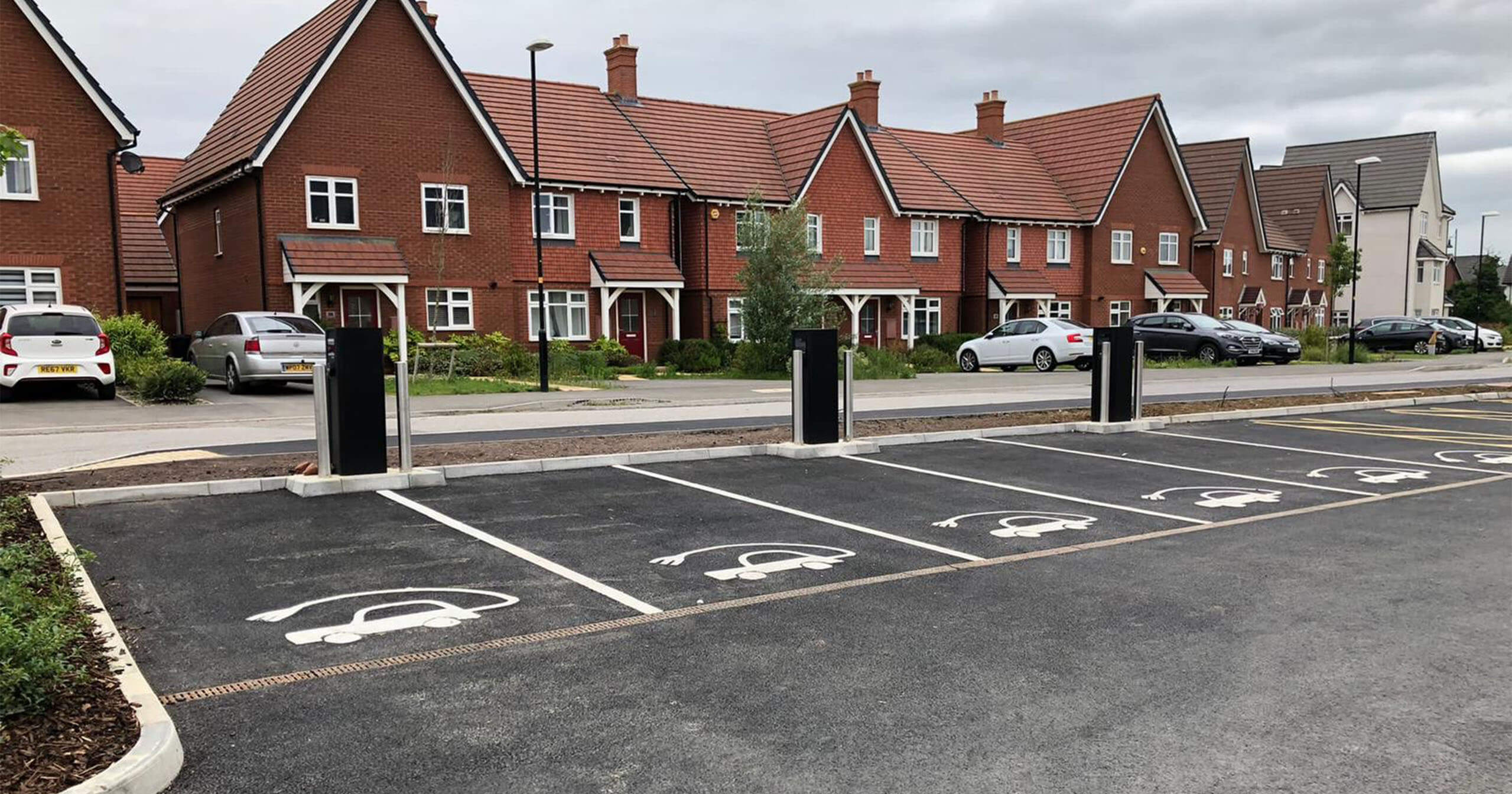
Okay, let's talk about something that's buzzing with excitement (pun intended!) – commercial electric vehicle (EV) charging stations! Maybe you're seeing more EVs on the road, perhaps your company is considering installing chargers, or you're just plain curious. Whatever the reason, understanding the cost of these charging stations is both incredibly useful and increasingly relevant.
So, why does this matter to different people? For beginners, it's about grasping the basics of EV infrastructure. Knowing the cost helps you understand the investment required to support the growing EV adoption. For families, especially those considering an EV, it's about understanding if their apartment building or workplace might get chargers soon, making EV ownership more practical. And for hobbyists or business owners, it's about the potential for a new revenue stream or enhancing customer experience.
Now, let's dive into the cost. The price of a commercial EV charging station can vary wildly, depending on several factors. We're not talking about your basic home charger here. Commercial stations need to be more robust and handle higher usage. Think of it like this: a home charger is like a single-cup coffee maker, while a commercial charger is like an industrial-strength espresso machine.
Generally, you can expect to pay anywhere from $2,000 to $10,000+ per charging station for the hardware itself. This price range largely depends on the charging level. Level 2 chargers, which are the most common, offer a good balance between charging speed and cost. DC fast chargers, also known as Level 3 chargers, are the Ferraris of the charging world – they can rapidly charge EVs but come with a significantly higher price tag, often exceeding $20,000 (and can even reach upwards of $100,000!).
But hold on, the hardware is just the tip of the iceberg! You also need to factor in installation costs. This can include electrical upgrades to your building, permits, trenching, and labor. Installation can easily double or even triple the overall cost, ranging from a few thousand to tens of thousands of dollars depending on the complexity of the project.
Then there are ongoing costs to consider: electricity usage, network fees (if you're using a managed charging network), and maintenance. Some networks offer different pricing models, such as pay-per-use or subscription-based options. Think about the long term and estimate the electricity and network fees. For example, you could offer free charging as a perk to employees and factor the electricity costs into the total project. The more employees that switch to EV, the more electricity that will be consumed!
Here are some simple tips for getting started: First, assess your needs. How many EVs do you anticipate needing to charge? What charging speed is required? Second, get multiple quotes from reputable installers. Don't just go with the cheapest option; consider their experience and reputation. Third, research available rebates and incentives from your local utility company or government agencies. Many programs offer significant financial assistance for installing EV charging infrastructure.
Ultimately, understanding the cost of commercial EV charging stations is about more than just dollars and cents. It's about investing in a more sustainable future, attracting customers and employees, and being part of the electric vehicle revolution. So, whether you're a curious bystander or a potential investor, take the leap and explore the possibilities – you might be surprised at how rewarding it can be!