Alright, folks, gather 'round! Let's talk batteries. Not the kind you shove in your TV remote (though those are important too, especially during a crucial sports game). We're talking big batteries, the kind you need to power your house, maybe even escape a zombie apocalypse! Okay, maybe not the zombie apocalypse, but you get the idea.
So, the question is: How much battery storage do you *really* need? It's a bit like asking how much pizza is enough pizza. The answer? It depends. Are you feeding a family of four, or a horde of hungry teenagers after a football game? Same deal with batteries.
The Great Energy Audit: Your First Step to Battery Bliss
First things first, you need to figure out what you're actually trying to power. Think of it as taking inventory of your energy vampires. You know, those appliances that suck up electricity like it's going out of style. We're talking refrigerators, air conditioners, that weirdly bright lamp in the corner that you swear you never use.
Pro-tip: Don't just guess! Actually look at the labels on your appliances. They'll tell you how many watts they consume. Or, if you're feeling techy, you can get a smart plug that monitors energy usage in real-time. It's like having a tiny energy accountant living inside your wall socket. Creepy, but helpful.
Now, add up all those watts. This gives you a rough idea of your daily energy consumption. Let’s say you discover you use about 10 kilowatt-hours (kWh) per day. That’s your energy target, Captain!
The Sunny Side Up: Solar Power and Battery Backup
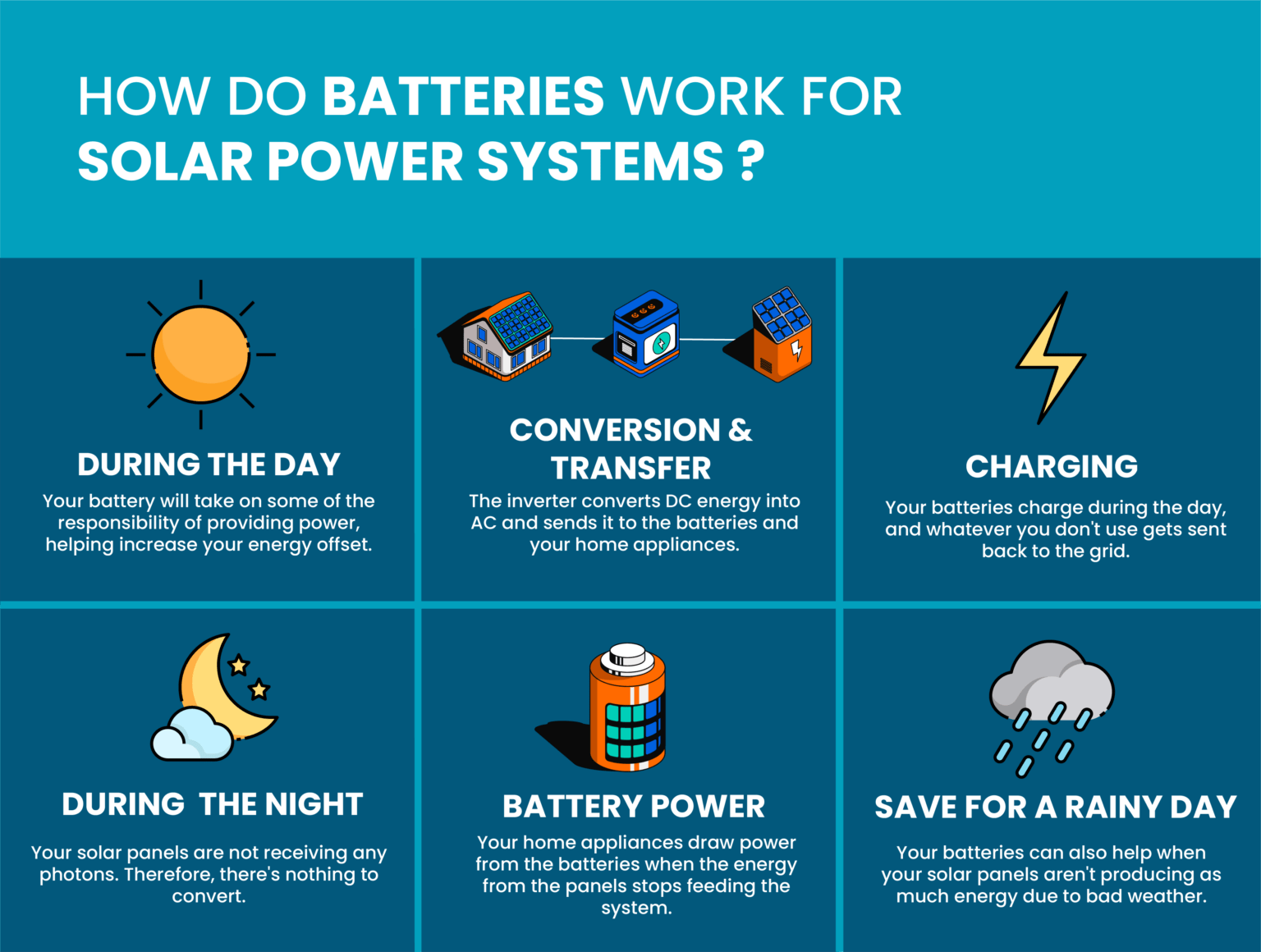
Most people get into battery storage because they're rocking solar panels. Think of solar panels as your personal electricity factory, churning out power whenever the sun decides to show up. Batteries are like the factory's storage unit, holding onto all that excess power for when the sun goes on vacation (or, you know, when it’s nighttime).
The size of your solar array impacts battery needs too. If your solar panels are pumping out way more power than you use, you might not need a massive battery. If they're barely keeping up, well, you'll need a bigger one to store the precious little energy you can get.
Power Outage Panic: How Long Do You Want the Lights On?
This is where things get interesting. Do you want your battery to just keep the lights on for a few hours during a blackout, or do you want to power your whole house for a week? The answer to that question will dramatically change the size (and cost!) of your battery system.
Imagine a scenario where the power goes out during your favorite show. A small battery might keep your TV and a few lights running, but you'll have to choose between watching the season finale and keeping your fridge cold. A larger battery could power everything, including your popcorn machine, ensuring you don't miss a single plot twist. It all boils down to priorities.
The Numbers Game: Volts, Amps, and Other Scary Words
Okay, let's get a little technical, but I promise to keep it light. Batteries are measured in kilowatt-hours (kWh), which basically tells you how much energy they can store. A bigger kWh number means more energy storage.
Here's a (simplified) example: Let's say you want to power a 100-watt light bulb for 10 hours. That's 100 watts x 10 hours = 1000 watt-hours, or 1 kWh. So, you'd need at least a 1 kWh battery to do that. But remember, batteries aren't 100% efficient, so you'll want a little extra cushion.
Don't worry too much about the details - most solar installers will handle the calculations for you. Just be sure to ask them questions and understand what you're paying for.
The Bottom Line: So, How Much Do I *Really* Need?
Unfortunately, there's no one-size-fits-all answer. But here's a general guideline:
- Small Battery (3-5 kWh): Good for basic backup during short power outages. Can power essential appliances like lights, refrigerators, and medical devices for a few hours. Think of it as a tiny survival kit for your house.
- Medium Battery (7-10 kWh): Provides more substantial backup power. Can run most of your essential appliances for a longer period, maybe even overnight. Perfect for keeping the pizza warm during a prolonged blackout.
- Large Battery (10+ kWh): Enough power to run your entire house for an extended period. Ideal for those who want to be completely self-sufficient and laugh in the face of grid outages. You'll be the envy of the entire neighborhood!
Ultimately, the best way to determine your battery storage needs is to consult with a qualified solar installer. They can assess your energy consumption, analyze your solar panel output, and recommend a battery system that's perfectly sized for your home and your lifestyle. Don't be afraid to shop around and get multiple quotes!
And remember, investing in battery storage is an investment in peace of mind. Knowing you have a backup power source can be incredibly reassuring, especially during unpredictable weather events. So go forth, conquer the world of energy storage, and never be caught in the dark again!