Ever think about the magic that happens when you turn that key (or press that button!) and your car roars to life? It’s not fairy dust, though sometimes it feels like it. It's electricity, and a pretty specific amount of it at that.
The Volt Verdict: It's All About That 12V Battery
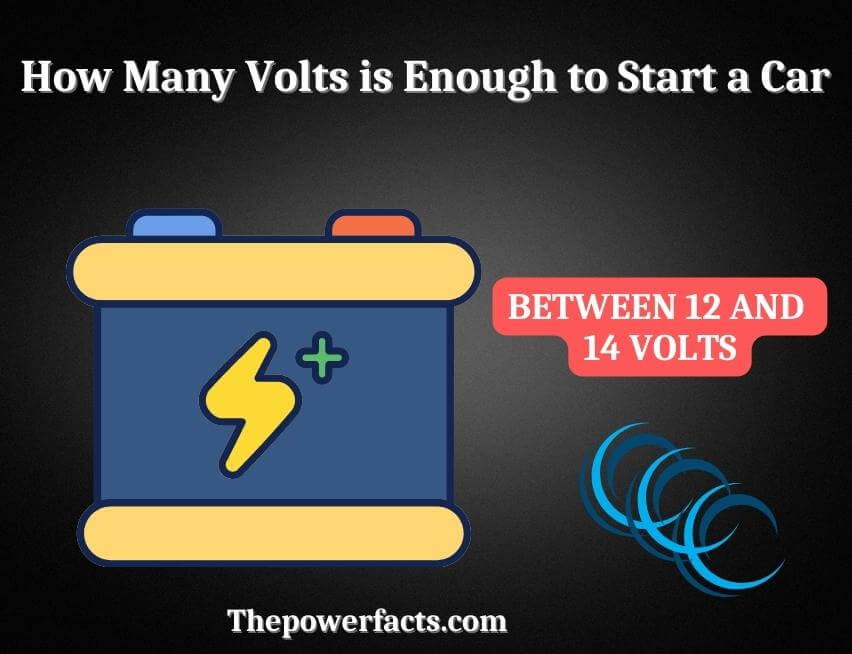
So, how many volts does it actually take to wake your metal beast from its slumber? The answer, in most cases, is around 12 volts. That's the standard voltage of the battery in nearly every car on the road today. Think of it as the universal language of automotive starting power.
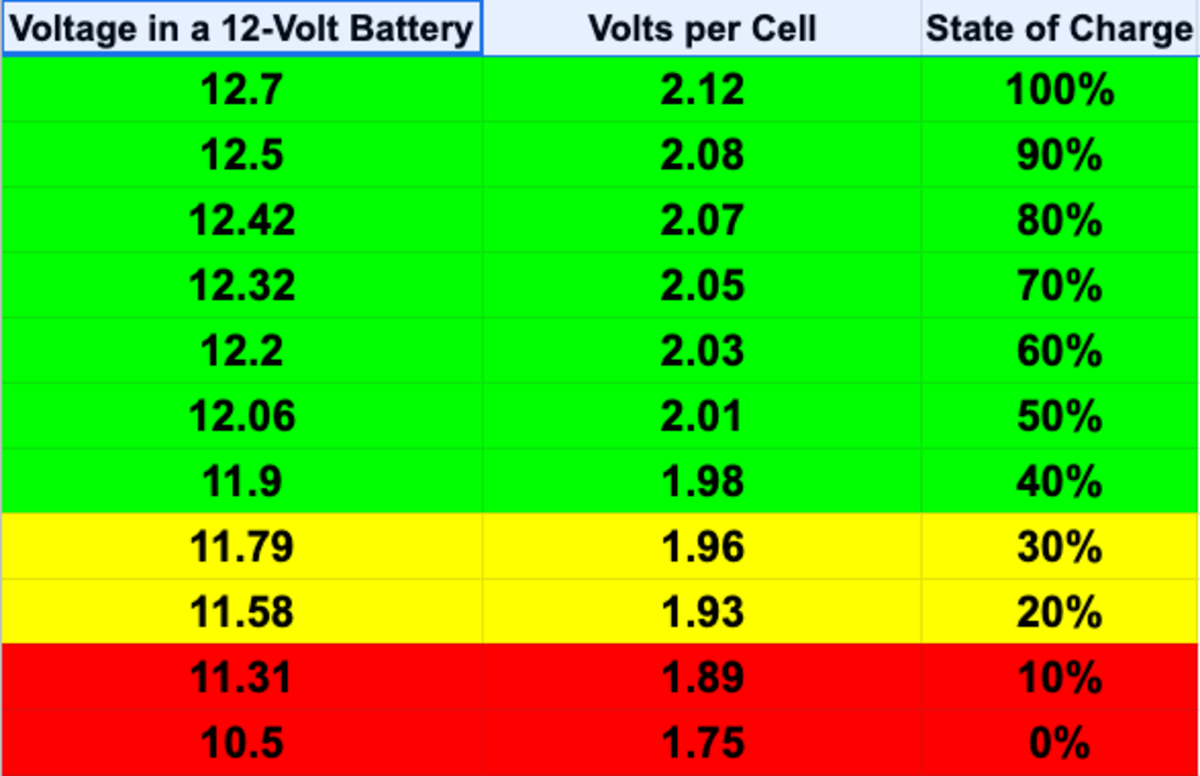
Now, don't go thinking your car battery is just lazing around at 12V all the time. A healthy car battery actually sits a little higher, usually around 12.6 volts when it's fully charged. This gives it that extra oomph it needs when you demand a jolt of power to crank the engine.
Why 12 Volts? A Historical Head Nod
Why 12 volts, you ask? Well, that's a bit of a history lesson. The 12-volt system won out over other options way back when automobiles were first becoming popular. It was a sweet spot balancing safety, efficiency, and the ability to deliver enough power without causing too much trouble.
Imagine the early days of cars – lots of sputtering, breakdowns, and tinkering. Standardizing on 12 volts made things a little less chaotic. Mechanics could actually learn how to fix things and replacement parts could be manufactured with some consistency!
Of course, as technology evolves, so do power systems. You might hear whispers of 48-volt systems creeping into newer cars, especially hybrids and electric vehicles. But for the vast majority of cars on the road right now, 12 volts is still king.
The Starting Symphony: More Than Just Volts
But here's a fun fact: it’s not just about the volts. It's also about the amps. Think of volts as the pressure in a water pipe, and amps as the amount of water flowing through. You need both to have a good shower, and your car needs both to start!
The starter motor, that little workhorse responsible for turning the engine over, needs a hefty surge of current (amps) to get things moving. That's why a weak battery can show 12 volts on a meter, but still fail to start your car. It’s like a water pipe with plenty of pressure but a tiny trickle of water – not enough to do the job.
A healthy car battery needs to deliver hundreds of amps to the starter motor for a brief period. That’s why those heavy-duty jumper cables are so important when you're giving someone a jump start! They need to handle all that current.
The Dreaded "Click": A Voltage Villain
We've all heard it: that dreaded "click, click, click" when you turn the key. It's the sound of your starter motor trying – and failing – to get enough power. It's usually a sign of a low battery, but sometimes it can be other culprits like a bad starter relay or loose connections.
Think of it like this: the starter motor is a hungry beast, and your battery is its food source. When the battery is weak, the beast gets only a nibble and just clicks its jaws in frustration.
The good news? Often a jump start can revive a clicking car, at least temporarily. But it's a good idea to get your battery checked soon after. A weak battery is a ticking time bomb of inconvenience.
Battery Blues: When 12 Volts Isn't Enough
So, what can cause a perfectly good 12-volt battery to fail? Age, for one. Batteries degrade over time, especially in extreme temperatures. Hot weather can be just as damaging as cold weather.
Parasitic drain is another sneaky culprit. This is when something in your car continues to draw power even when the engine is off. It could be a faulty sensor, a dome light left on, or even an aftermarket stereo system installed incorrectly.
Short trips can also take a toll. Your car needs time to recharge the battery after each start. If you only drive a few minutes at a time, the alternator might not have enough opportunity to replenish the lost power.
The Jump Start Jamboree: A Tale of Two Cars
Ah, the jump start. The automotive equivalent of CPR. It's a beautiful act of vehicular kindness, where one car shares its precious volts with another in need.
But a word of caution: make sure you connect those jumper cables correctly! Positive to positive, negative to a grounded metal surface on the dead car. Cross them, and you'll likely create a spectacular (and expensive) fireworks display under the hood.
Remember, jump-starting is just a temporary fix. If your car needs a jump every time you start it, it's time for a new battery. Don't rely on the kindness of strangers (or the reliability of jumper cables) forever.
Beyond the Battery: The Voltage Ecosystem
While the battery provides the initial jolt to start your car, the voltage story doesn't end there. Your car's electrical system is a complex network, with different components relying on different voltage levels.
The alternator, for example, is responsible for maintaining the battery's charge and powering all the electrical accessories while the engine is running. It typically puts out slightly more than 12 volts – usually around 13.5 to 14.5 volts – to keep everything humming along smoothly.
Sensors, computers, lights, and even your radio all rely on a steady supply of voltage to function properly. That’s why a healthy electrical system is so crucial for overall car performance.
The Voltage Vigilante: Keeping Tabs on Your Ride
So, how do you know if your car's voltage is up to snuff? There are a few telltale signs. Dimming headlights, slow cranking, and frequent jump starts are all red flags.
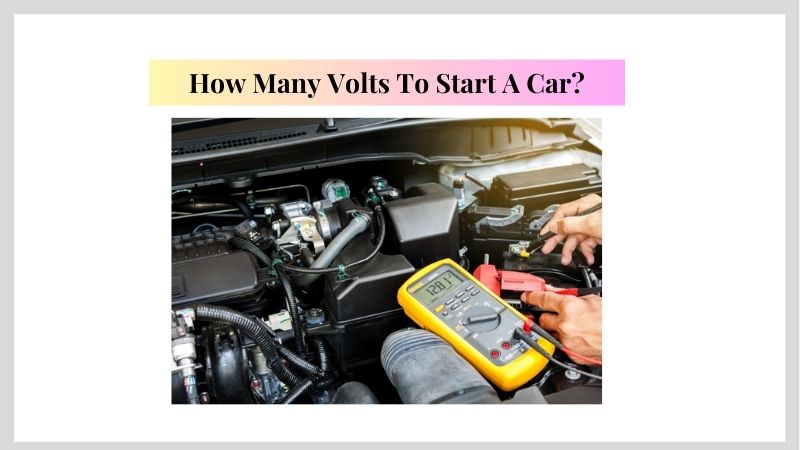
You can also use a simple voltmeter to check your battery's voltage. Just connect the probes to the battery terminals and read the voltage. A reading below 12 volts indicates a problem.
Many auto parts stores offer free battery testing. Take advantage of this service! A little preventative maintenance can save you from a lot of headaches down the road.
The Electric Future: Higher Volts on the Horizon?
As cars become more technologically advanced, the demand for electrical power is increasing. Electric vehicles, in particular, require much higher voltages to operate efficiently.
That's why you're seeing the emergence of 48-volt systems in some newer cars. These higher-voltage systems can handle the increased power demands of features like electric power steering, regenerative braking, and advanced driver-assistance systems.
The future of automotive voltage is likely to be higher and more complex. But for now, the trusty 12-volt battery remains the heart and soul of most cars on the road, diligently providing the power to start our engines and get us where we need to go.
A Final Thought: Appreciate the Spark
Next time you turn the key and your car starts right up, take a moment to appreciate the little miracle of electricity that makes it all possible. It's more than just volts and amps; it's the spark of life that brings our metal companions to life!
And remember, a healthy battery is a happy battery. Treat it well, and it will reward you with years of reliable service. Now go forth and drive with confidence, knowing that you have a basic understanding of the voltage that powers your automotive adventures!