Okay, picture this: I'm out on the lake, right? Sun's blazing, cooler's stocked, tunes are pumping. Life is good. Then, BAM! The engine sputters, coughs, and dies. Silence. Utter, soul-crushing silence. Turns out, my battery decided it was quitting time early. After that lovely tow back to shore (thanks, Chad!), I became obsessed with marine batteries. Mostly with understanding them. And the first question, the most basic question? "How many volts are we talking here?"
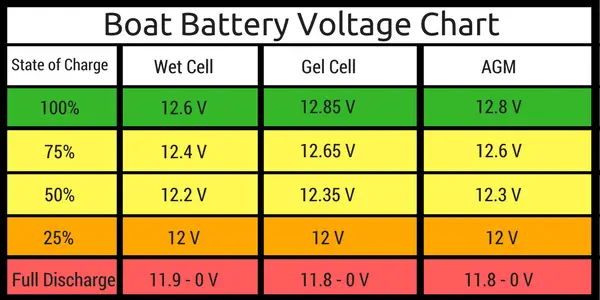
So, let's get down to brass tacks: How many volts *should* a marine battery have? The short answer: typically, a 12-volt marine battery *should* read around 12.6 to 12.8 volts when fully charged and at rest. That's the sweet spot. Anything lower than that, and you're venturing into "potential trouble" territory. Think of it like a good night's sleep – you want to wake up feeling fully charged, not groggy and ready for a nap. Your battery is the same!
Understanding the 12-Volt System
Marine batteries are generally part of a 12-volt DC (Direct Current) electrical system. This system powers everything from your navigation lights to your fish finder to that all-important stereo. (Seriously, a good sound system is vital. Don’t skimp on the tunes!) Because everything is designed to work with this voltage, a healthy battery providing the correct voltage is crucial for reliable operation.
Now, here's where it gets slightly more interesting. A brand new, fully charged 12-volt battery can actually read slightly above 12.8 volts. Don't panic! That's perfectly normal. It's just showing off its youthful exuberance. On the other hand, a battery reading below 12.4 volts is likely losing its charge. Think of it like your phone – you wouldn't want it consistently dipping below 50%, right? Same applies here.
Checking Your Battery's Voltage
Okay, so how do you actually *know* what your battery's voltage is? Simple: a voltmeter. These are relatively inexpensive and easy to use. You can pick one up at most auto parts stores or online. (Pro-tip: learn how to use it before you're stranded on the lake.)
To check your battery's voltage, simply connect the voltmeter leads to the battery terminals. Make sure the polarity is correct – red lead to the positive (+) terminal, black lead to the negative (-) terminal. Read the voltage display. Boom! Instant knowledge. If you're unsure about anything, YouTube is your friend! Seriously, there are tons of great tutorials out there.
What About When the Engine Is Running?
When your boat's engine is running, the alternator is charging the battery. In this scenario, you should see a voltage reading of around 13.7 to 14.7 volts. This indicates that the charging system is working correctly and replenishing the battery's power. If you see a significantly lower voltage, there could be a problem with your alternator or regulator. Time to consult a professional! Or at least a mechanically inclined friend who owes you a favor...
Deep Cycle vs. Starting Batteries
It's also important to understand the difference between deep cycle and starting batteries. Starting batteries are designed to deliver a short burst of high power to start your engine. Deep cycle batteries, on the other hand, are designed to provide a steady, consistent current over a longer period. (Think trolling motors, lights, and all those gadgets you can’t live without.)
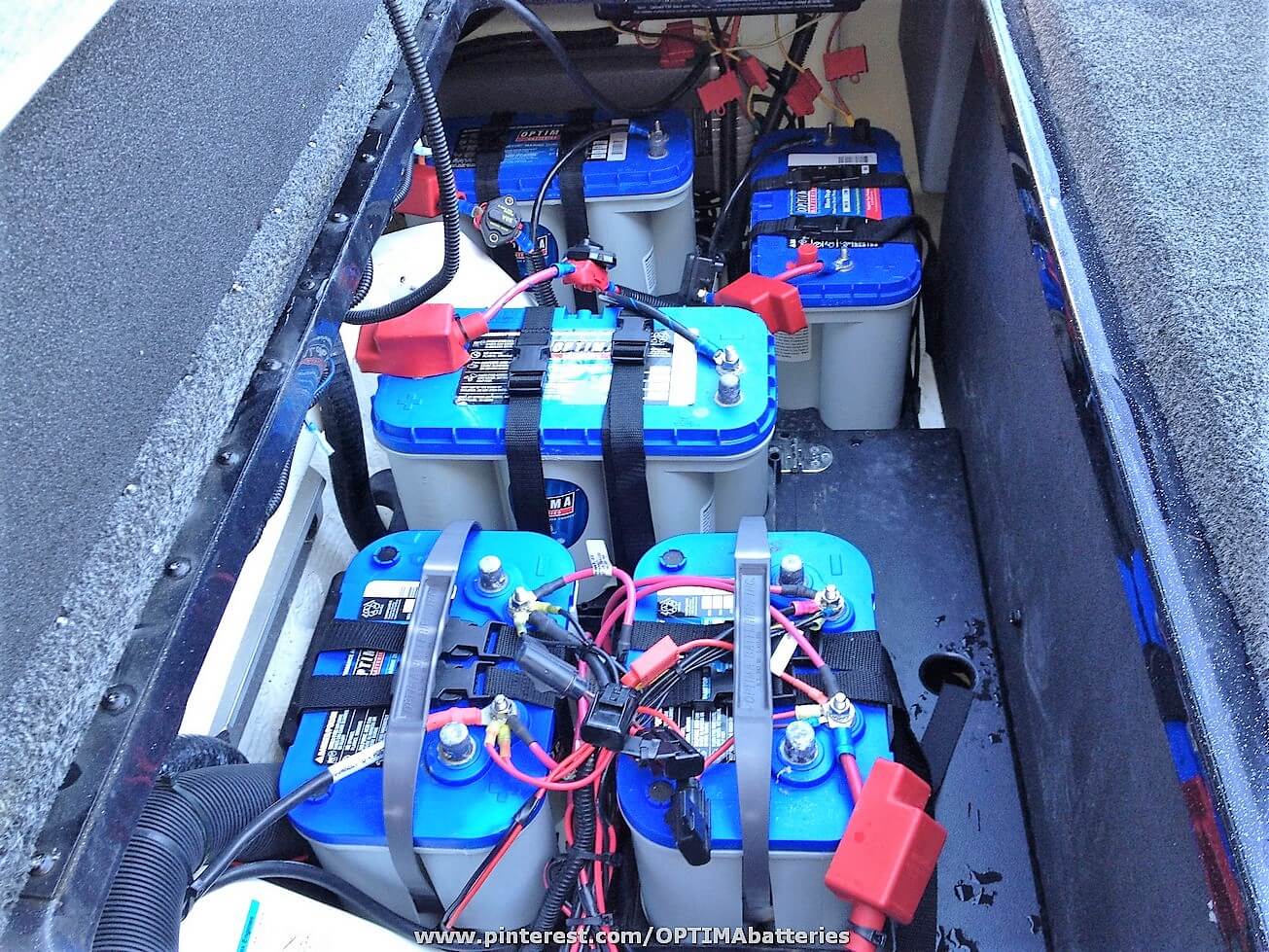
While both types are typically 12-volt, their internal construction and usage patterns differ significantly. Most boats use a combination of both: a starting battery for the engine and one or more deep cycle batteries for everything else. It's all about choosing the right tool for the job!
Maintaining Your Battery
Finally, proper maintenance is key to extending the life of your marine battery. Keep the terminals clean and free of corrosion. (Baking soda and water work wonders!) Regularly check the water level in flooded batteries (if applicable). And, most importantly, don't let your battery sit discharged for extended periods. This can cause sulfation, which reduces the battery's capacity and lifespan. Invest in a good battery maintainer (also known as a trickle charger) to keep your battery topped off when it's not in use.
So, there you have it. A quick rundown on marine battery voltage. Hopefully, this will help you avoid my embarrassing (and expensive) lake-towing incident. Now, go forth and conquer the waves! And maybe invest in a backup battery… just in case.