Okay, picture this: I'm at a campground, sweating like a marathon runner in July. My RV's A/C is on the fritz, and I'm blaming it on everything from sunspots to the campground's ancient electrical grid. Finally, after consulting YouTube and half a dozen bewildered neighbors (thanks, Bob!), I realized I was drawing too much power. But that got me thinking…I mean, I *thought* I knew what a 30 amp RV plug was all about, but did I *really*?
Which brings us to the question burning in your mind (and mine, at the time): how many volts is a 30 amp RV plug actually? It seems like a simple question, right? Spoiler alert: it is! But let's dive in, just in case you're as electrically challenged as I sometimes am.
The Short and Sweet Answer
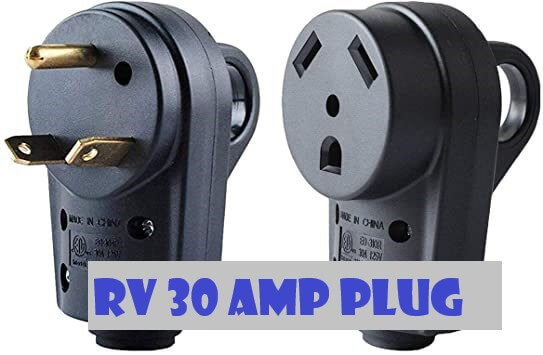
Alright, enough suspense. A 30 amp RV plug runs on 120 volts. Yep, just like the standard outlets in your house (the ones that aren’t specifically for your dryer or oven). Think of it this way: the "30 amp" refers to the amount of electrical current it can handle, not the voltage. Amps are like the width of a pipe; voltage is the pressure. You need both to get the job done!
Why the Confusion?
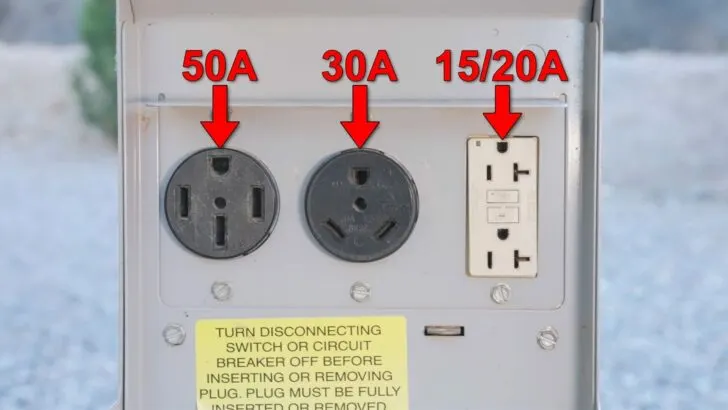
So, why the potential for confusion? Well, partly it's because RV electrical systems can seem like a tangled mess of wires and adapters. (Raise your hand if you've ever felt personally attacked by your RV's electrical panel. Yep, me too.) And partly it's because RVs come in different sizes with different power needs. A smaller RV might get by just fine with a 30 amp connection, while a larger one might require a 50 amp service.
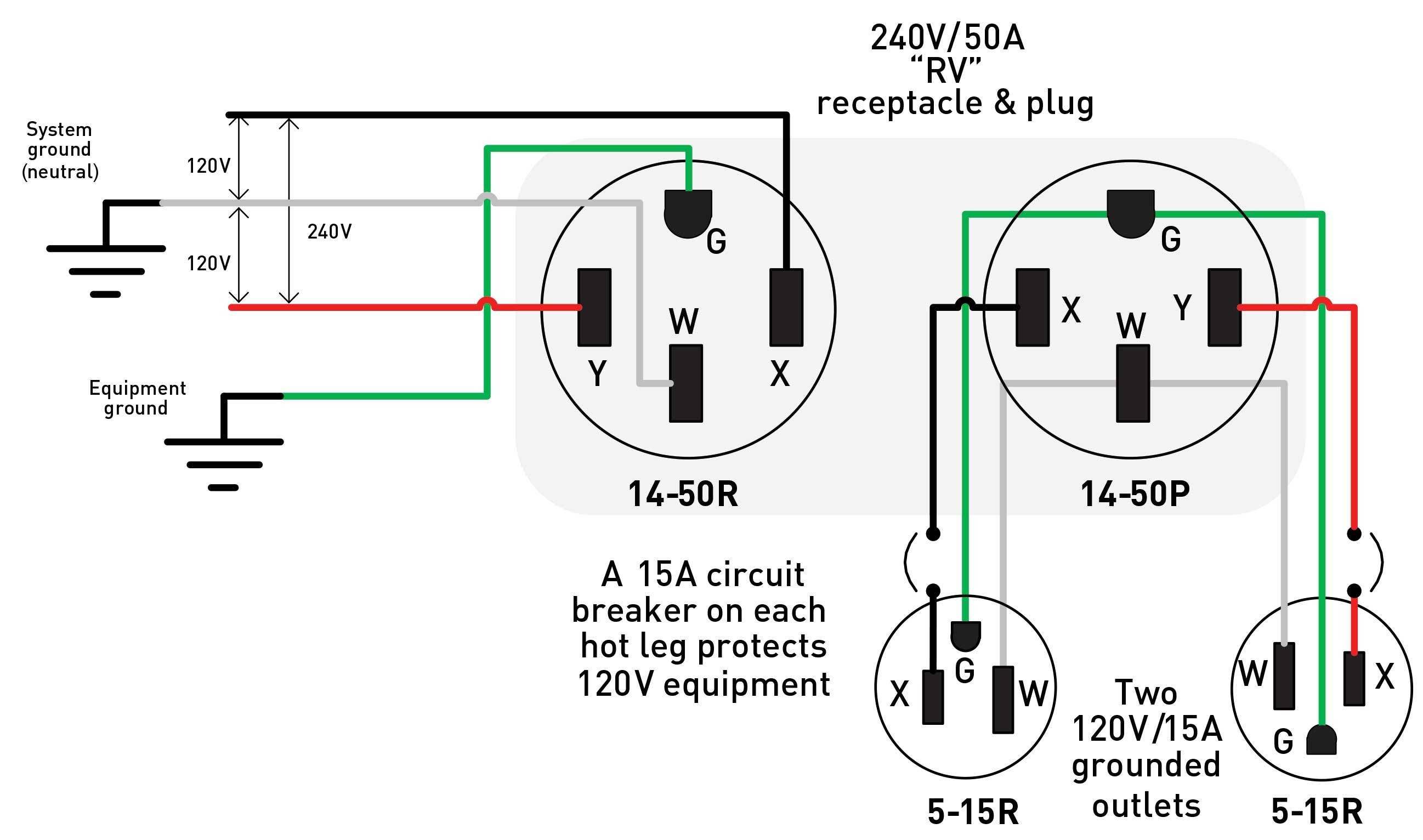
Here's another thing: 50 amp service *does* use 240 volts (split into two 120-volt legs), which is where some of the confusion often enters the equation. So if you are using 50 amp service, you have two individual 120v lines!
30 Amps vs. 50 Amps: A Quick Comparison
Let's break down the 30 amp versus 50 amp situation a little further:
- 30 Amp Service: 120 volts, 30 amps. Total available power: 3600 watts (120 volts x 30 amps). Generally suitable for smaller to mid-sized RVs. You can typically run one air conditioner and a few other appliances, but you'll need to be mindful of power consumption. Think of it as a carefully orchestrated electrical dance.
- 50 Amp Service: 240 volts (two 120-volt legs), 50 amps per leg. Total available power: 12,000 watts (240 volts x 50 amps). Provides significantly more power and can handle larger RVs with multiple air conditioners, refrigerators, and other power-hungry appliances. It’s like having an electrical buffet – but still, don't be greedy!
Adapters: Friend or Foe?
Adapters are your friends... sometimes. They allow you to plug your 30 amp RV into a 50 amp outlet (or vice versa). *However*, remember that you're still limited by your RV's wiring and breaker capacity. Using an adapter doesn't magically increase your available amperage. In other words, you can plug into a 50 amp outlet, but you will still only be drawing a maximum of 30 amps on that line. Use caution! You want to prevent overheating and potential electrical damage.
Safety First!
A quick word of caution: Electricity is serious business. If you're not comfortable working with electrical systems, please consult a qualified electrician. Messing around with wiring without proper knowledge can be dangerous and potentially life-threatening. RVs are fun, but electrocution is decidedly not.
In Conclusion (and Back to My Campground Story)
So, the next time you're at a campground, and your A/C is sputtering, remember: a 30 amp RV plug uses 120 volts. Understanding your RV's electrical system, including the amperage and voltage requirements, is crucial for a safe and enjoyable camping experience.
As for my A/C woes? Turns out, I was trying to run the microwave, the coffee maker, *and* the air conditioner simultaneously. Rookie mistake! But hey, at least I learned something. And now, so have you!