AA batteries. Those little cylindrical powerhouses we take for granted. They fuel our remotes, our kids' toys, and even some emergency flashlights. But have you ever stopped to wonder, “Just how much *oomph* is packed inside one of these things?” Specifically, how many milliAmps are we talking about?
The MilliAmp Mystery (Unveiled!)
Alright, let's cut to the chase. The milliAmp (mAh) rating of an AA battery essentially tells you how long it can deliver a certain amount of current. Think of it like a tiny fuel tank. A higher mAh means a bigger tank, and a longer ride!
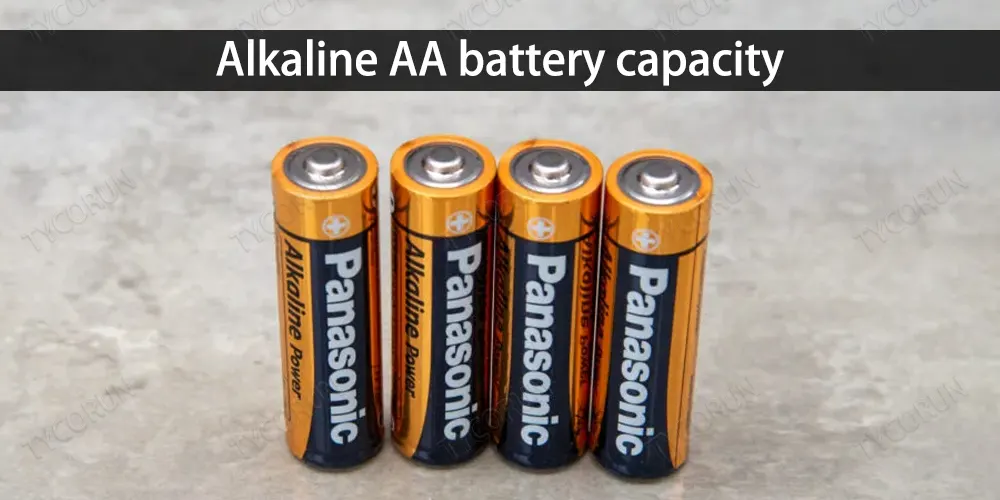
So, what's the magic number? Generally, a standard alkaline AA battery boasts somewhere between 2,000 to 3,000 mAh. Not bad for something so small!
But Wait, There's a Catch!
Before you go bragging to your friends about your battery knowledge, there's a tiny asterisk to consider. That mAh rating isn't set in stone.
Factors like the brand, the type of battery (alkaline vs. lithium vs. rechargeable), and even the temperature can affect the actual milliAmp hours you get. It's like your car’s MPG; it looks great on paper, but hills and lead-footed driving change things.
Let's delve a little deeper. Each type of battery has its own personality, its own strengths and quirks.
Alkaline: The Reliable Workhorse
Alkaline batteries are the AAs you probably grew up with. They're the dependable, affordable choice for everyday devices. Think TV remotes, clocks, and low-drain gadgets.
They deliver a consistent power output, making them a good all-rounder. You can find reputable brands with high mAh ratings.
Lithium: The Long-Lasting Champion
Lithium batteries are the marathon runners of the AA world. They're more expensive upfront, but they offer significantly longer runtimes and better performance in extreme temperatures. Think digital cameras and high-drain toys.
They also have a longer shelf life. Perfect for that emergency kit tucked away in the basement.
Rechargeable: The Eco-Friendly Hero
Rechargeable batteries are the sustainable superstars. While they might have a slightly lower mAh rating compared to their disposable counterparts, they can be recharged hundreds, even thousands, of times. Think game controllers and wireless keyboards.
They save you money in the long run and reduce battery waste. A win-win!
Consider NiMH (Nickel-Metal Hydride) rechargeables, they are the most common. They strike a good balance between capacity and cost.
The Great Battery Brand Battle
Just like cars, some battery brands are known for their reliability and performance. While we won't endorse any specific brand here (sorry!), it's worth doing a little research to find the batteries that best suit your needs.
Read online reviews and compare mAh ratings from different brands. You might be surprised at the differences!
Some brands focus on power, while others focus on longevity. Choose wisely!
Beyond MilliAmps: The Voltage Factor
While we're on the topic of battery power, it's important to remember that milliAmps aren't the whole story. Voltage also plays a crucial role.
An AA battery typically delivers 1.5 volts. This voltage, combined with the current (measured in milliAmps), determines the overall power output of the battery.
Think of voltage as the pressure in a water pipe and current as the amount of water flowing through it. You need both for things to work!
Putting it All Together: A Real-World Example
Let's say you have a remote control that requires 100mA of current to operate. If you use an AA battery with a 2500 mAh rating, theoretically, the battery should last for 25 hours (2500 mAh / 100 mA = 25 hours).
However, remember those pesky factors we talked about earlier? The actual runtime might be slightly less due to things like temperature and internal resistance. But it gives you a general idea.
It's a rough estimate, but it's helpful to have.
The Battery's Secret Life: Fun Facts and Trivia
Did you know that the first commercially successful dry cell battery was invented by Carl Gassner in 1886? Talk about a power pioneer!
Or that batteries can be recycled? Don't just toss them in the trash. Check with your local recycling center for battery recycling programs.
And here’s a quirky one: some studies suggest that certain types of music can affect battery drain in electronic devices. But that might just be an urban legend.
The Hilarious Side of Battery Depletion
We've all been there: the remote control that refuses to change the channel, the flashlight that flickers ominously in the dark, the toy that suddenly falls silent mid-song. Battery depletion can be a source of much frustration, and occasional amusement.
Remember that time you spent half an hour trying to find the right batteries for your kid's new toy, only to discover that you'd already used them all in the smoke detector? Ah, parenthood!
Or when your wireless mouse dies in the middle of a crucial presentation. Murphy's Law at its finest!
Respect the Power! (Battery Safety Tips)
While batteries are generally safe, it's important to handle them with care. Never mix old and new batteries, as this can lead to leakage or even explosions.
Store batteries in a cool, dry place, away from direct sunlight and extreme temperatures. And always dispose of them properly.
If a battery leaks, avoid touching the corrosive liquid. Clean it up carefully and dispose of the battery immediately.
A Toast to the AA Battery
So, the next time you pop an AA battery into your favorite gadget, take a moment to appreciate the ingenuity and engineering that went into creating this tiny powerhouse.
From powering our everyday devices to enabling life-saving equipment, AA batteries play a vital role in our modern world.
They’re small, yet mighty. Simple, yet complex. The AA battery is a true unsung hero of the technological age.
The Takeaway: MilliAmps and Making Informed Choices
Understanding milliAmp hours allows you to make more informed decisions about the batteries you choose. Consider the specific needs of your devices and choose the battery type and brand that best suits those needs.
Whether you opt for the reliable alkaline, the long-lasting lithium, or the eco-friendly rechargeable, knowing the mAh rating will help you get the most out of your batteries.
So, go forth and conquer the world, one milliAmp hour at a time!