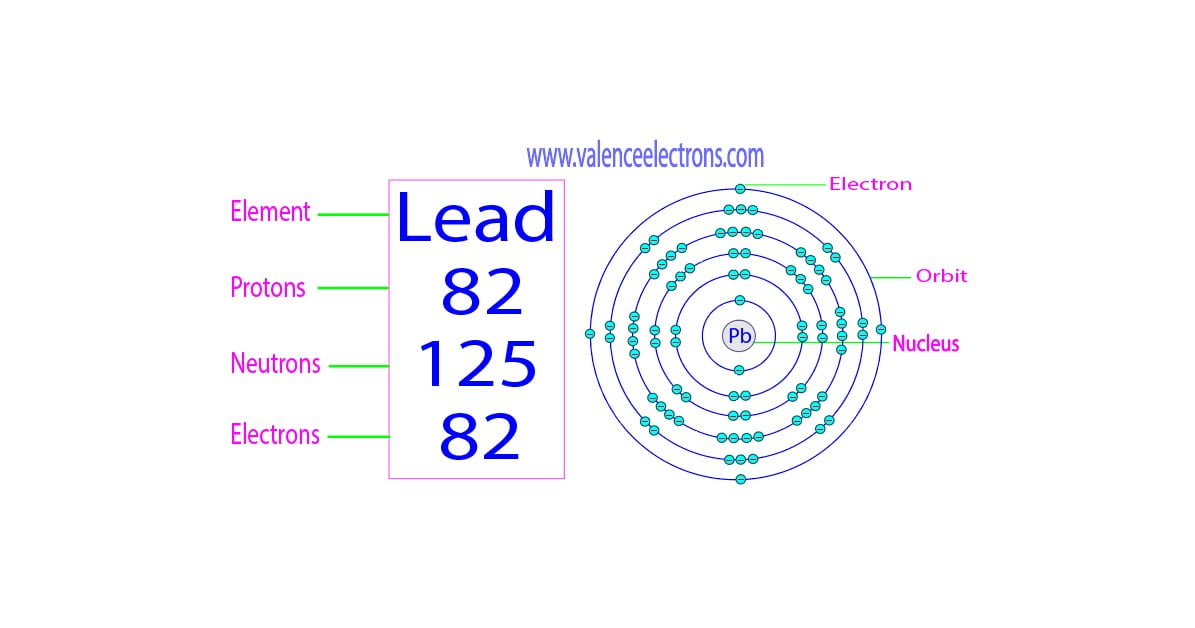
Hey there, curious minds! Ever wondered about the mysterious world of atoms and the tiny particles buzzing around inside them? Specifically, have you ever pondered how many electrons are hanging out with our pal, lead (Pb)? Well, grab your metaphorical lab coat (or just your favorite comfy chair) because we're about to dive in!
Lead: The Heavyweight Champion of the Periodic Table (Sort Of)
Lead. It's that heavy, slightly dull, often-used-in-batteries kinda metal. You might think of it as just...lead. But under the surface, it's a whole universe of atomic activity! Think of it like a seemingly quiet person at a party who actually has a wildly interesting life we are just waiting to uncover.
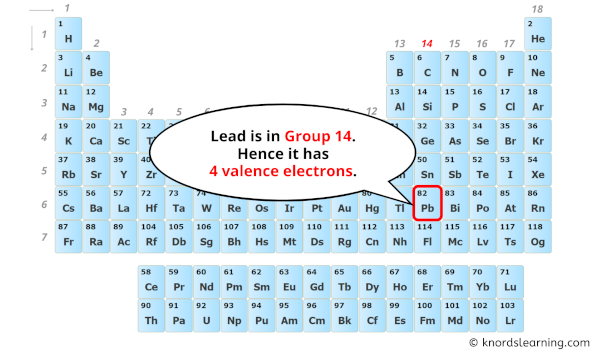
To figure out how many electrons lead has, we need to consult the ultimate cheat sheet for all things atomic: the periodic table! This chart isn't just some decorative wall art in your science classroom; it's like a map to the electron treasure!
Decoding the Periodic Table's Secret Message
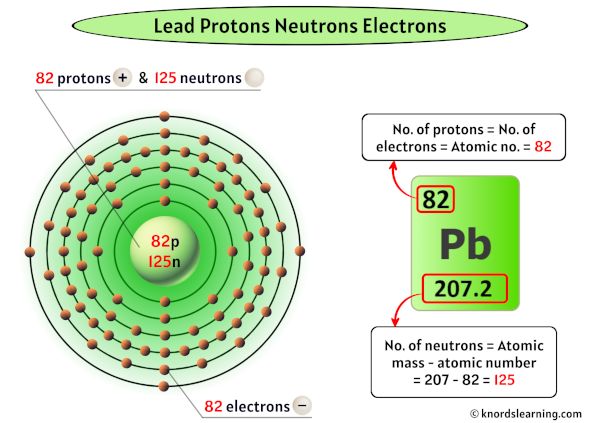
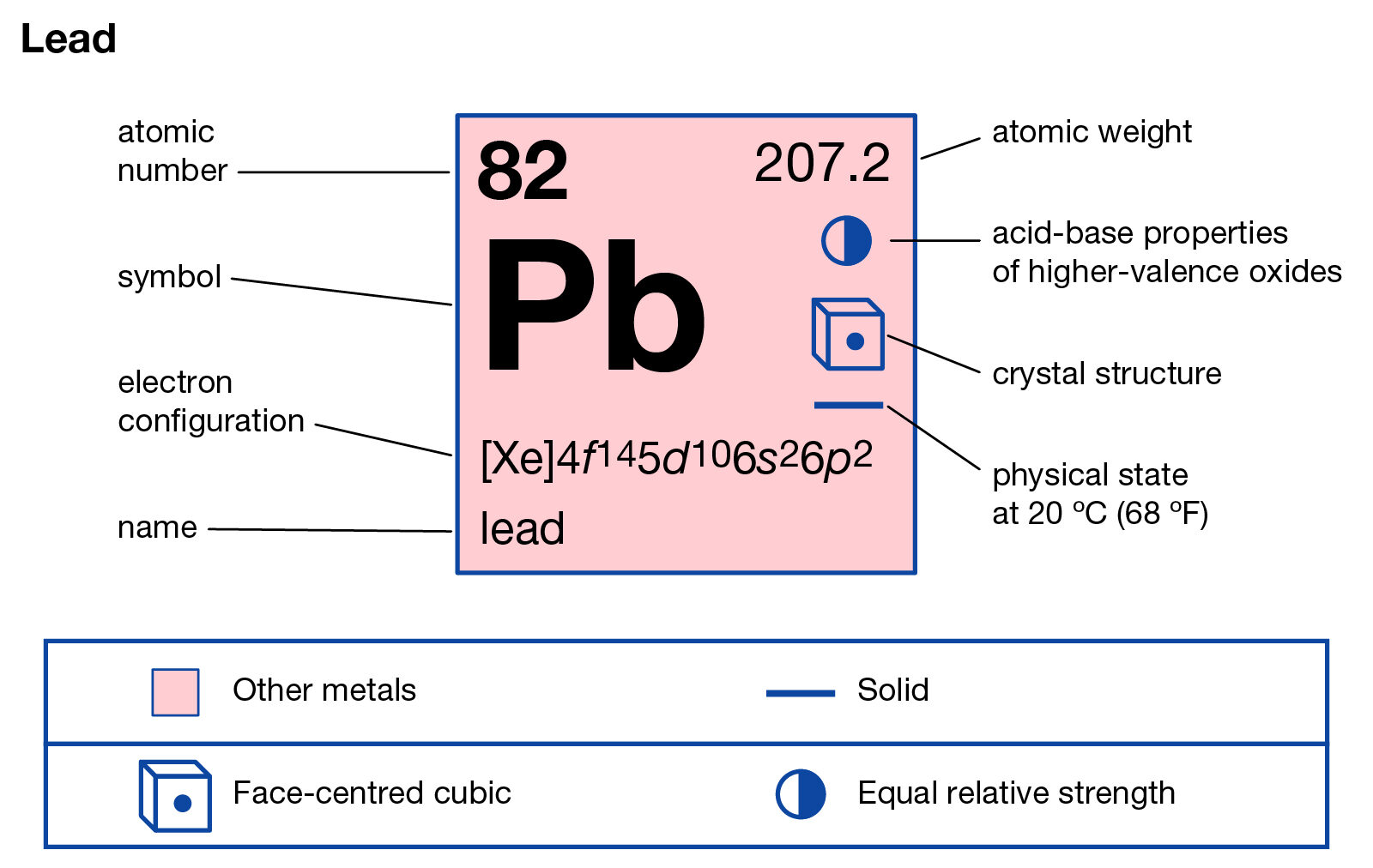
Okay, locate lead (Pb) on the periodic table. Found it? Excellent! Now, look closely. See that little number hanging out near the lead symbol? That's the atomic number. This number is super important. Why? Because the atomic number tells us the number of protons in the nucleus of an atom. Think of protons as the atom's ID card!
And here's the key piece of information: In a neutral atom (meaning it's not an ion – we'll leave ion adventures for another day!), the number of electrons is equal to the number of protons. It's like a perfect electron-proton balance, creating a harmonious atom. This is critical info!
So, if lead has an atomic number of 82, that means it has…wait for it…drumroll please… 82 protons! And since it's a neutral atom, it also has 82 electrons!
82 Electrons?! That's a Lot of Tiny Dancers!
Imagine 82 tiny little electrons zipping around the nucleus of a lead atom. It's like a microscopic mosh pit, only instead of flailing arms and legs, you have electrons exhibiting wave-particle duality (yeah, we’re going there for a quick second).
These electrons aren't just randomly floating around either. They are carefully arranged in specific energy levels, or electron shells, like well-organized tenants in a quantum apartment building. Each shell can only hold a certain number of electrons. It's like a microscopic game of Tetris, where everything has to fit just right.
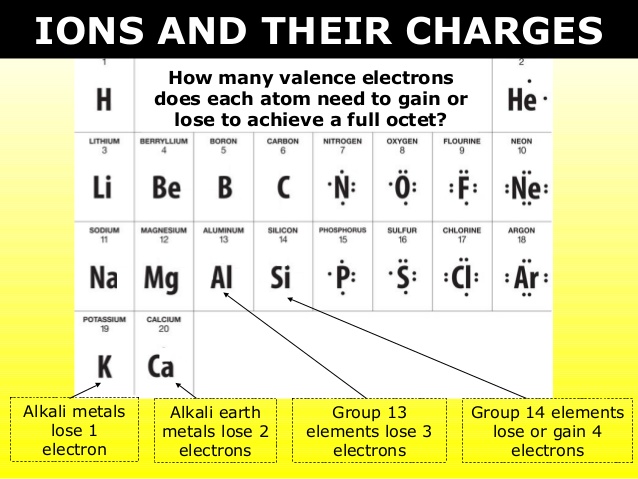
These electron shells are important because they determine how lead interacts with other atoms. These outer electrons, also known as valence electrons, are the ones involved in forming chemical bonds. They're the social butterflies of the atomic world, always looking for new connections. And with lead, that means a lot of possible combinations and uses!
So, Why Should You Care?
Well, now you can casually drop this knowledge at your next party! "Hey, did you know lead has 82 electrons? Amazing, right?" (Disclaimer: May not be the most effective conversation starter for everyone, but it's worth a shot!).
But seriously, understanding the number of electrons in an atom helps us understand its properties and how it behaves. It's a fundamental concept in chemistry and physics. Knowing this information is like unlocking a secret code to the universe! Plus, it shows that you're a curious and intelligent person who's willing to learn about the world around you. And that's pretty awesome!
Think about it: every single thing around you, from the air you breathe to the phone you're reading this on, is made up of atoms with specific numbers of electrons. It's a mind-blowing concept, isn't it?
So, the next time you see a piece of lead, remember that it's not just a dull metal. It's a complex and fascinating collection of atoms, each with its own unique arrangement of protons and electrons. And now you know exactly how many electrons are dancing around inside each lead atom: 82! You’ve totally nailed this! Feel proud of yourself for taking the time to learn something new and intriguing today.
Keep asking questions, keep exploring, and keep being curious! The universe is full of amazing discoveries waiting to be made!