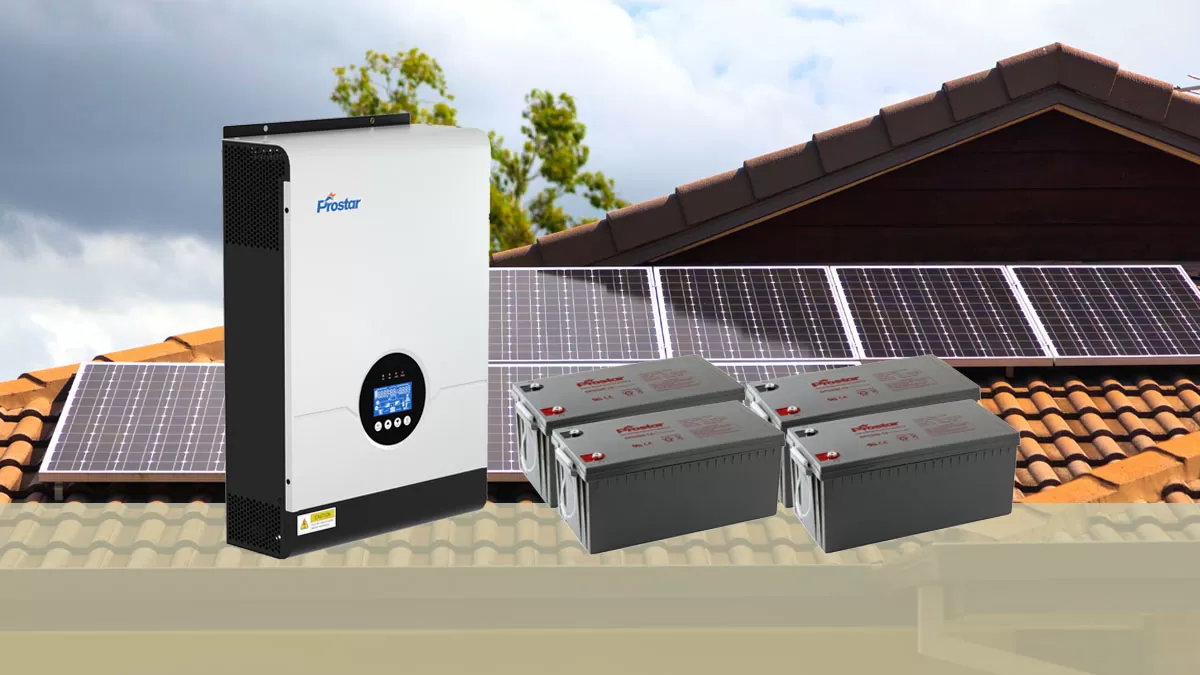
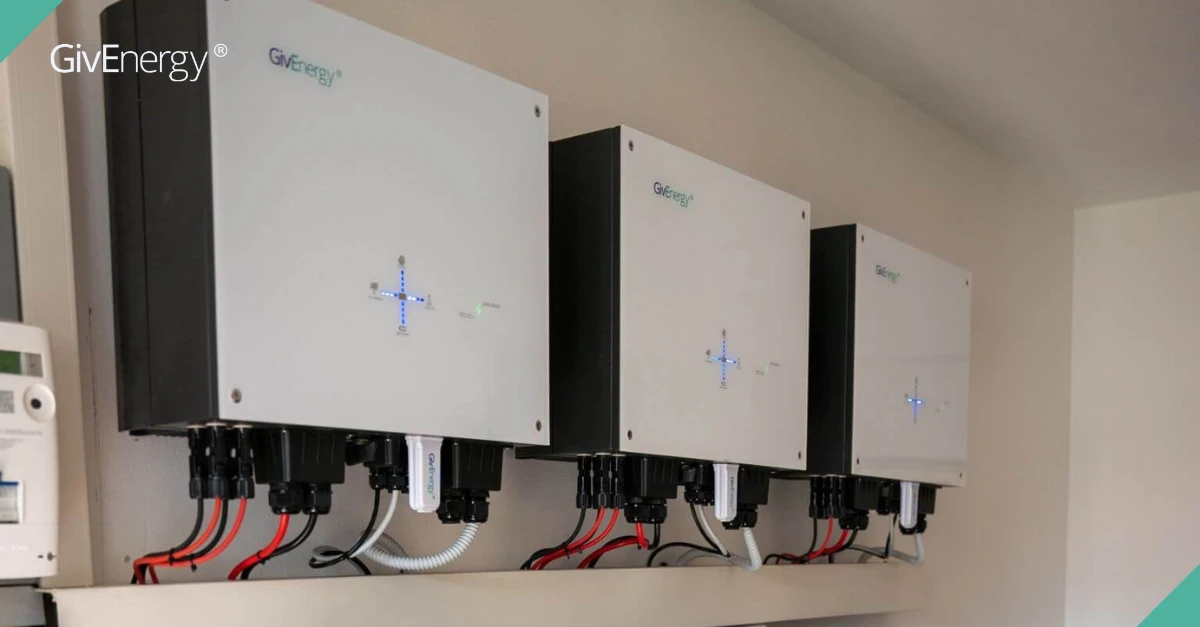
Ever wondered how many batteries it would take to actually power your entire home? It's a question that sparks the imagination! Maybe you're picturing a giant room overflowing with AAs, or perhaps you're considering a sleek, modern array of power cells. Whatever your mental image, the idea of ditching the grid and going battery-powered is definitely gaining traction. Why? Because it promises energy independence, cost savings in the long run, and a cleaner, greener lifestyle. Let's dive in and figure out how many batteries it *really* takes!
First, let's be clear: we're not talking about your standard alkaline batteries. Think bigger! We're looking at rechargeable batteries, specifically those used in solar power systems and electric vehicles. These are typically lithium-ion batteries, known for their high energy density and long lifespan. The goal here is to store enough electricity to run your lights, appliances, and everything else that makes your house a home. The benefit? You can draw power from these batteries when the sun isn't shining (if paired with solar panels) or during power outages, giving you peace of mind and consistent energy.
So, how many batteries are we talking about? The answer, unfortunately, is "it depends." The number of batteries needed depends on several factors, the biggest being your energy consumption. This is measured in kilowatt-hours (kWh). You can find your average daily or monthly energy usage on your electricity bill. The higher your consumption, the more battery capacity you'll need.
Another key factor is the capacity of the batteries themselves. Battery capacity is typically measured in kWh as well. A single Tesla Powerwall, for example, has a usable capacity of around 13.5 kWh. To calculate the number of batteries needed, you'll divide your daily energy consumption by the usable capacity of a single battery. For example, if your home uses 30 kWh per day, and you're using Powerwalls, you'd need approximately 2.2 Powerwalls (3 to be safe and account for discharge).
But it doesn't stop there! We also need to consider the depth of discharge (DoD). This refers to how much of the battery's capacity can be used before it needs to be recharged. Most lithium-ion batteries have a high DoD, meaning you can use a large percentage of their capacity without damaging them. However, consistently draining a battery to 0% will shorten its lifespan, so it's generally recommended to stay above a certain percentage. This affects the actual usable capacity and influences the number of batteries you require.
Finally, peak power demand is crucial. Even if your average daily consumption is relatively low, you might have moments of high energy usage, like when running your air conditioner and oven simultaneously. Your battery system needs to be able to handle these peak demands. Therefore, the power rating of the battery inverter is just as important as the energy capacity of the battery bank.
In conclusion, figuring out the exact number of batteries to power your home requires a little math and careful consideration of your energy needs. It's a worthwhile exercise, though, as battery storage technology is rapidly improving and becoming more affordable. Imagine the freedom and sustainability of powering your life with your own energy source! Consult with a qualified solar installer for a personalized assessment of your needs to determine the optimal battery solution for your home.