Okay, let's talk about electricity, but don't worry, we're not going to get bogged down in Ohm's Law or anything that sounds remotely like high school physics. Instead, let's imagine a scenario. Picture this: you're planning the ultimate backyard barbecue. String lights are a must, the blender needs to be ready for margaritas, and maybe you even want to plug in that inflatable bouncy castle for the kids (or, let's be honest, for you after a few margaritas).
Suddenly, you remember your dad, the self-proclaimed electrical guru, muttering something about "amps" and "wire gauge" last Thanksgiving. He even showed you a wire with the marking "10-2" stamped on it. Now, you're wondering, just how much electrical oomph can that wire handle? In other words, how many amps can that 10-2 wire carry before things get... well, sparky?
The Magical Number: It Depends! (But Mostly 30)
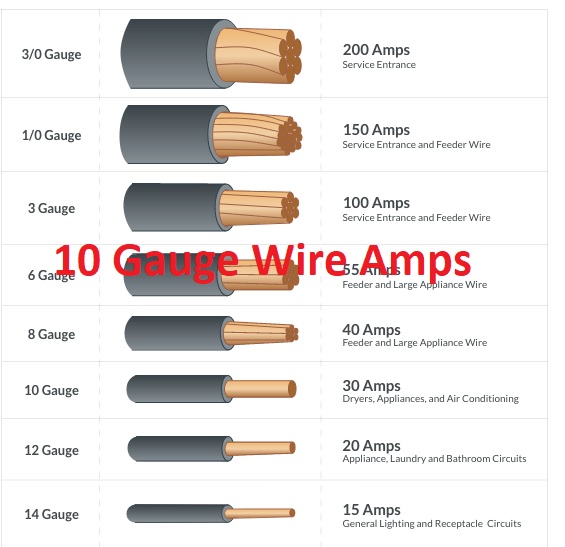
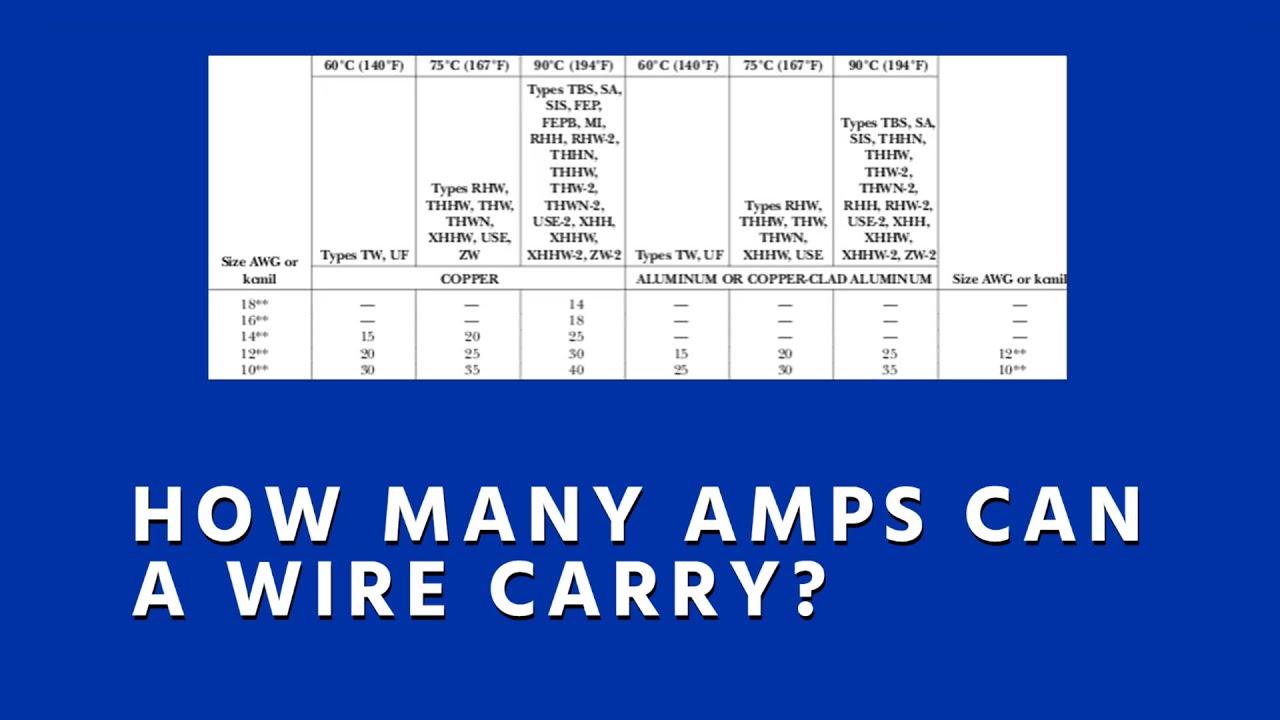
The simple (ish) answer is: it depends. But generally speaking, a 10-2 wire, which is a common size you'll find in your house, is usually rated to carry around 30 amps. Think of it like a highway. That wire is the road, and the electricity (amps) is the traffic. A bigger road (thicker wire) can handle more cars (more amps) without a traffic jam (overheating and potential fire hazard).
Now, before you go plugging everything into that one sad outdoor outlet, there's a little asterisk next to that "30 amps" figure. Things like the type of insulation on the wire and the ambient temperature can slightly affect its ampacity (that's the fancy word for how much current it can safely carry). Imagine if that highway had to go through a desert in the middle of summer. It would probably handle less traffic, right? Same idea.
But for most residential applications, like running a circuit for your refrigerator or a few outlets in your garage, 30 amps is the common standard for 10-2 wire.
The Great Appliance Ampacity Hunt
So, how do you know if you're overloading that 10-2 wire? This is where the "Great Appliance Ampacity Hunt" begins! Every appliance has a little tag or sticker, usually on the back or bottom, that tells you how many amps it draws. Your refrigerator might draw 5 amps, the blender 2 amps, and the bouncy castle inflator... well, let's just hope it's energy-efficient!
Add up the amps of everything you plan to plug into that circuit. If it's less than 30, you're generally good to go. If it's creeping closer to or exceeding 30, you might need to call in a real electrician (or, reluctantly, your dad) to assess the situation. Overloading a circuit is a serious no-no, and can lead to tripped breakers, blown fuses, or even, in the worst-case scenario, a fire.
The Sad Tale of the Hair Dryer and the Holiday Lights
Let me tell you a true story (names have been changed to protect the electrically embarrassed). My Aunt Mildred once plugged her high-powered hair dryer into the same outlet as her elaborate Christmas light display. The lights flickered, the hair dryer sputtered, and then… darkness. Turns out, Aunt Mildred's quest for perfect holiday hair blew a fuse (and, arguably, her holiday spirit). The lesson? Even seemingly small appliances can add up quickly!
"Remember," my Dad always says, "electricity is like a mischievous house guest. Treat it with respect, and it will light your world. Ignore it, and it might just burn your house down."
Okay, maybe that's a little dramatic, but you get the idea.
When in Doubt, Call a Pro (or Your Dad)
Ultimately, dealing with electricity is not something to take lightly. If you're unsure about anything, it's always best to consult a qualified electrician. They can properly assess your wiring, determine the appropriate wire gauge for your needs, and ensure everything is up to code. And who knows, maybe you'll even impress them with your newfound knowledge of 10-2 wire and its approximate ampacity!
Think of it this way: spending a little money on a professional is a lot cheaper than replacing your house (or dealing with a grumpy Aunt Mildred). So, go forth, plan your epic barbecue, but always keep in mind the magic number of 30 (amps, that is), and the importance of respecting the flow of electrons. And maybe, just maybe, leave the bouncy castle inflating to a separate circuit. Your electricity will thank you for it.
Just remember, I am not an electrician and this is for entertainment purposes only. Consult a qualified electrician for any electrical work.