Let's face it, nobody loves thinking about their heat pump’s electrical consumption. But hey, we all love that feeling of walking into a perfectly heated or cooled home, right? That’s the magic of a heat pump – providing consistent, comfortable temperatures with (hopefully!) reasonable energy bills. It's like having a climate control bubble around you, keeping you cozy in winter and refreshed in summer. For many of us, especially in regions with moderate climates, a heat pump is the unsung hero of everyday comfort.
The core benefit of a heat pump is its efficiency. Unlike traditional furnaces that burn fuel to create heat, heat pumps simply move heat from one place to another. In winter, it extracts heat from the outside air (yes, even cold air contains some heat!) and pumps it inside. In summer, it reverses the process, moving heat from inside your home to the outside. This transfer process is significantly more efficient than generating heat from scratch, which translates to lower energy bills and a smaller carbon footprint.
You see heat pumps applied everywhere! From single-family homes and apartments to commercial buildings and even swimming pool heating, their versatility is impressive. Mini-split systems, ductless heat pumps, and central air source heat pumps are just a few of the common types you'll encounter. Each is designed for different applications and has varying electrical demands.
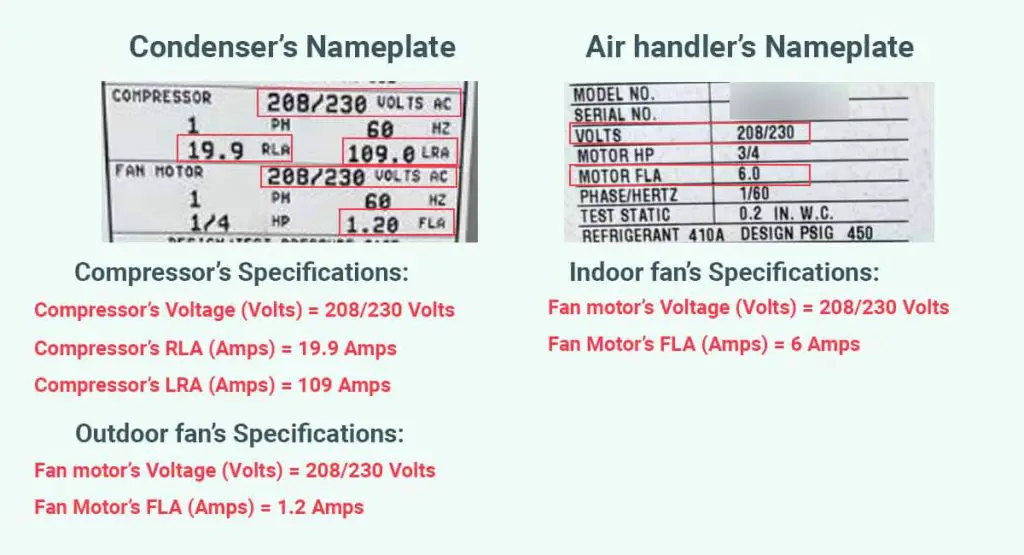
So, how many amps does a heat pump actually use? This is where things get a little tricky. The amperage draw depends on a whole host of factors: the size of your heat pump (measured in BTUs or tons), its SEER and HSPF ratings (efficiency metrics), the voltage it operates on, and the outside temperature. A small, single-room mini-split might only draw a few amps, while a large central heat pump could pull 20, 30, or even more. The best way to determine the exact amperage of your heat pump is to check the nameplate located on the unit itself. This label contains all the crucial electrical specifications.
Here are some practical tips to enjoy your heat pump more effectively (and keep those amp draws as low as possible):
- Regular Maintenance: Schedule annual tune-ups with a qualified HVAC technician. A well-maintained heat pump runs more efficiently, using less energy.
- Clean Filters: Dirty air filters restrict airflow, forcing the heat pump to work harder and draw more power. Replace or clean your filters every 1-3 months.
- Seal Air Leaks: Drafty windows and doors allow conditioned air to escape, forcing your heat pump to work overtime. Seal any leaks with weather stripping or caulk.
- Use a Programmable Thermostat: Set your thermostat to automatically adjust the temperature when you're away or asleep. Even a few degrees of difference can significantly reduce energy consumption.
- Consider Supplemental Heating: On extremely cold days, your heat pump might struggle to keep up. Supplementing with a space heater in frequently used rooms can reduce the strain on your heat pump and minimize its amp draw.
Understanding your heat pump’s electrical needs can empower you to use it more efficiently and save money on your energy bills. By taking these simple steps, you can continue to enjoy the comfort and convenience of your heat pump while minimizing its impact on your wallet and the environment. So, while amps might not be the most thrilling topic, knowing how they relate to your heat pump is definitely a smart move!