Ah, 10/2 wire. The unsung hero of home wiring, often lurking behind walls, diligently powering our lives. It's not exactly a glamorous subject, but understanding its capabilities is surprisingly empowering, especially for those of us who like to tinker, create, or simply understand how things work in our homes. It’s the backbone of so many circuits, from the garage workshop to the spare bedroom, making it a really popular choice for electricians and DIYers alike.
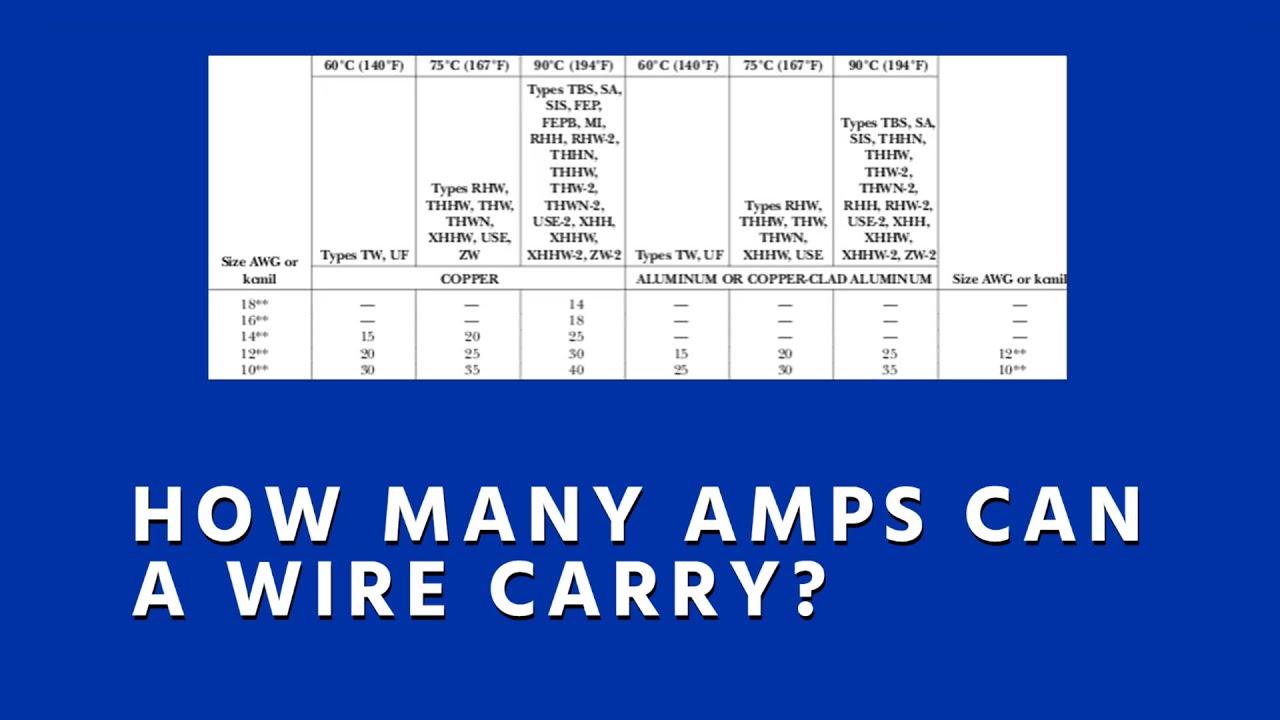
So, let's get to the point: How many amps can 10/2 wire handle? The answer, generally speaking, is 30 amps. However, it's absolutely crucial to remember that this is under ideal conditions and according to the National Electrical Code (NEC). We’ll delve into why that’s important shortly, but let's first explore why this knowledge is particularly useful for artists, hobbyists, and casual learners.
For the artist, perhaps you’re setting up a home studio with multiple lights, power tools for sculpting, or even a kiln for firing pottery. Knowing the ampacity of your wiring is essential to avoid overloading circuits and creating a fire hazard. Imagine crafting intricate metal sculptures, only to have your welder trip the breaker constantly – frustrating, right? Proper wiring knowledge allows you to plan your power needs accordingly.
Hobbyists benefit similarly. Whether you're building a model railroad with complex electrical circuits, restoring vintage electronics, or even setting up a sophisticated aquaponics system, understanding the limitations of your wiring is paramount. You can safely power multiple devices without worry, knowing you're not pushing the limits.
Even if you're just a curious homeowner, understanding the ampacity of 10/2 wire can empower you to make informed decisions about your electrical upgrades. Are you planning to add a new outlet for a high-powered appliance? Knowing that 10/2 wire can typically handle 30 amps helps you determine if it's sufficient or if you need to run a dedicated circuit with a thicker gauge wire. You might find it used for things like powering electric water heaters or window air conditioners.
Tips for safely working with electrical wiring:
- Always turn off the power at the breaker before working on any electrical circuit.
- Use a voltage tester to ensure the circuit is de-energized.
- Consult a qualified electrician if you are unsure about any aspect of electrical wiring. Electricity is dangerous, and it's always better to be safe than sorry.
- Check your local electrical codes. They may differ from the NEC and have specific requirements.
Remember that 30-amp rating? It’s important to note that factors like wire insulation type (THHN, NM-B, etc.), ambient temperature, and how the wire is installed (bundled with other wires, running through insulation) can all affect its actual ampacity. Always consult the NEC and your local codes for specific guidelines.
Ultimately, understanding the capabilities of 10/2 wire isn’t just about technical specifications; it's about gaining confidence and control over your environment. It's about empowering yourself to create, build, and tinker safely and efficiently. And that, my friends, is a feeling worth experiencing. The joy of knowing you've wired something correctly and it works flawlessly is surprisingly satisfying. It's a small victory, but a victory nonetheless, in the ongoing quest to master our homes and our hobbies.