Ever wonder how long you need to actually drive your car to juice up that battery? It's like a real-life video game, isn't it? You're driving, and your car is slowly regaining its energy bar. So cool!
The Mystery of the Charging Drive
Okay, picture this: your car battery is feeling a little weak. You've probably left the lights on again (we've all been there!). Now you're wondering, how many miles will it take to bring it back to life? It's like guessing how many licks it takes to get to the center of a Tootsie Pop! The answer, my friend, is delightfully…it depends!
The amount of time you need to drive isn't a fixed number. Think of it like this: are you strolling through the park or racing on a track? Your driving style plays a big role. Are you doing a lot of stop-and-go driving, blasting the AC, and playing your favorite tunes at full volume? That's like asking your car to run a marathon after eating a huge Thanksgiving dinner. Not the most efficient way to recharge!
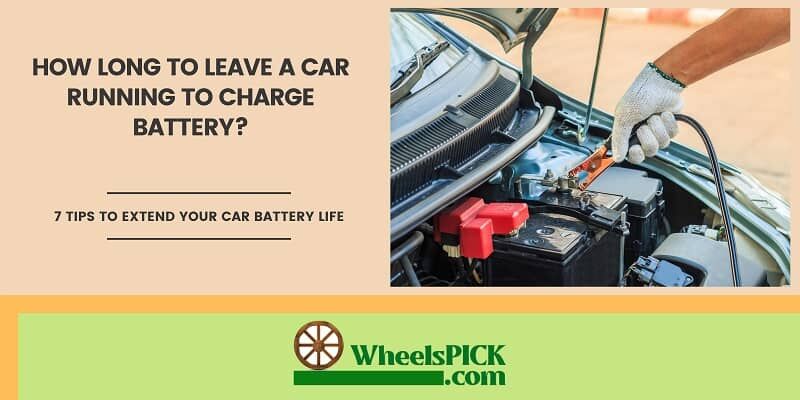
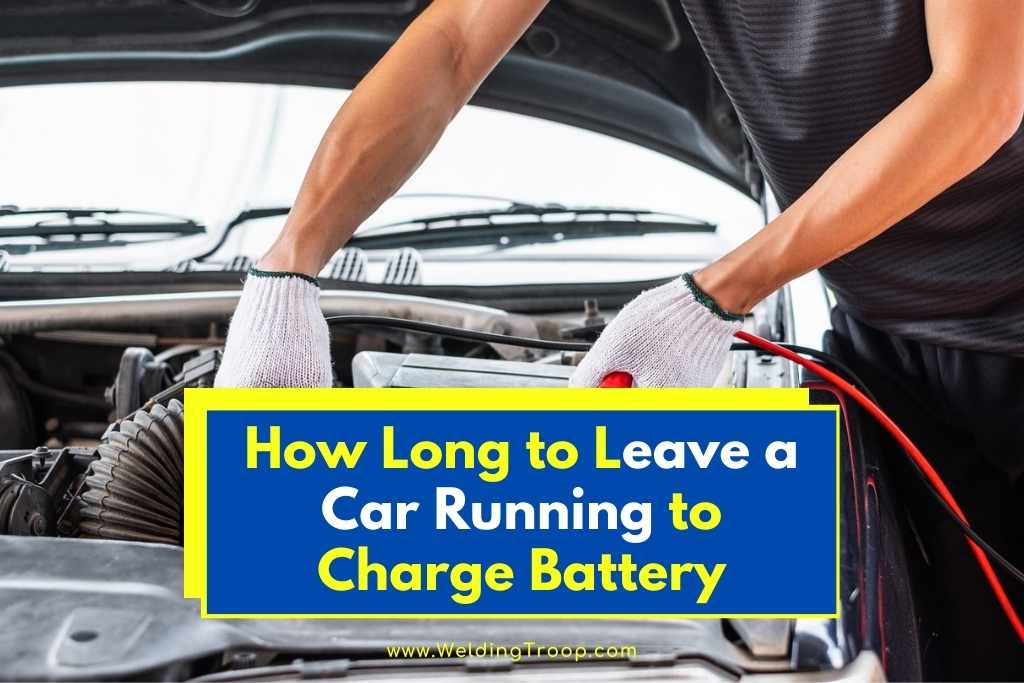
Generally, a good, solid drive of about 30 minutes to an hour at a decent speed should do the trick for a partially drained battery. That's like giving your car a healthy snack. However, if your battery is totally flat, things get a little more interesting. It may take a much longer drive, possibly even a couple of hours. It's like trying to wake up a bear from hibernation – it requires a little more effort!
And then there's the age and condition of your battery to consider. An old, tired battery won't hold a charge as well as a brand new one. It's like comparing a marathon runner in their prime to someone who just started running last week. The newbie will eventually get there, but it will take time!
Factors that Play a Role
So, what are the sneaky culprits that affect how quickly your car battery recharges while driving? Here’s the scoop:
- The Battery's Health: A healthy battery accepts a charge more readily. Think of it like a student who's eager to learn. An older, weaker battery, not so much.
- Electrical Load: How many gadgets are you running? Headlights, AC, radio, phone charger…they all draw power. It's like trying to fill a bathtub with the drain open.
- Driving Conditions: Highway driving is better than city driving. Consistent speed allows the alternator to work more efficiently. It’s like a steady stream of energy!
- Alternator Condition: Your alternator is the power generator. If it's not working correctly, it won't charge the battery efficiently. Think of it as a broken heart, it just won’t pump efficiently!
The Thrill of the Recharge
Isn't it fascinating to think about all these factors working together? It’s a miniature electrical dance happening under your hood! Next time you're driving to recharge your battery, try to pay attention to your driving style and electrical load. It can be fun to see how you can optimize the process. It’s like trying to get the highest score on a video game!
Of course, if you're consistently having battery problems, it's always best to have a professional check it out. Think of them as the pit crew for your car. They can diagnose the problem and get you back on the road quickly.
Ultimately, knowing how long you need to drive to charge your car battery is like understanding a little secret about your car. It makes you feel more connected to your vehicle and gives you a bit more control on the road. Plus, you can impress your friends with your newfound knowledge. Now go out there and start that engine!
Remember, this isn't rocket science. It's more like a fun little puzzle to solve. Enjoy the ride, and may your battery always be charged!
And by the way, if you find yourself stranded with a dead battery, don't panic! There are always options like jump-starting or calling for roadside assistance. Think of them as your backup plan – your get-out-of-jail-free card!
So, next time you jump in your car with a slightly depleted battery, remember it's not just a drive, it's an adventure in electrical efficiency! Happy driving!