Let's talk about something we all love (or at least heavily rely on): the fridge! That cool, humming hero in your kitchen. We fill it with delicious goodies, leftovers we swear we'll eat, and the occasional science experiment gone wrong (who hasn't found a fuzzy something lurking in the back?). But what happens when the power goes out? How long does our trusty fridge stay cold, and more importantly, how do we avoid a kitchen catastrophe?
The Great Fridge Race Against Time
Picture this: a summer storm rolls through, knocking out power lines like dominoes. The lights flicker, then die. You sigh, light some candles, and resign yourself to an evening of board games. But in the back of your mind, a tiny voice whispers, "What about the fridge?!" That's the sound of your inner foodie panicking about your precious groceries.
The truth is, your fridge is a bit of a champion at holding its own, even without electricity. A well-stocked fridge can usually maintain a safe temperature for about four hours. That's enough time to watch a couple of episodes of your favorite show, play a heated round of Monopoly, or even take a quick nap. But after that, things start to get dicey.
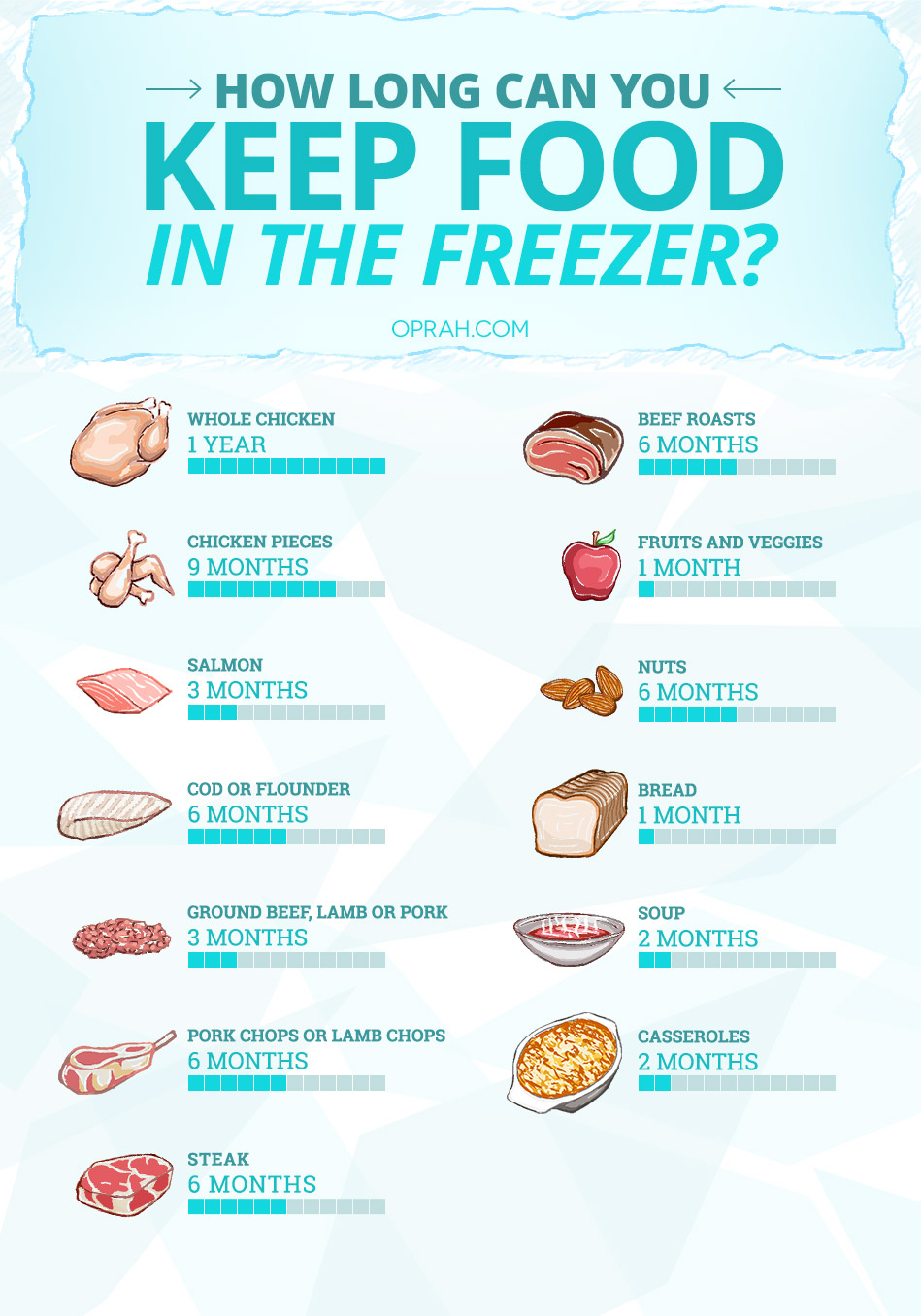
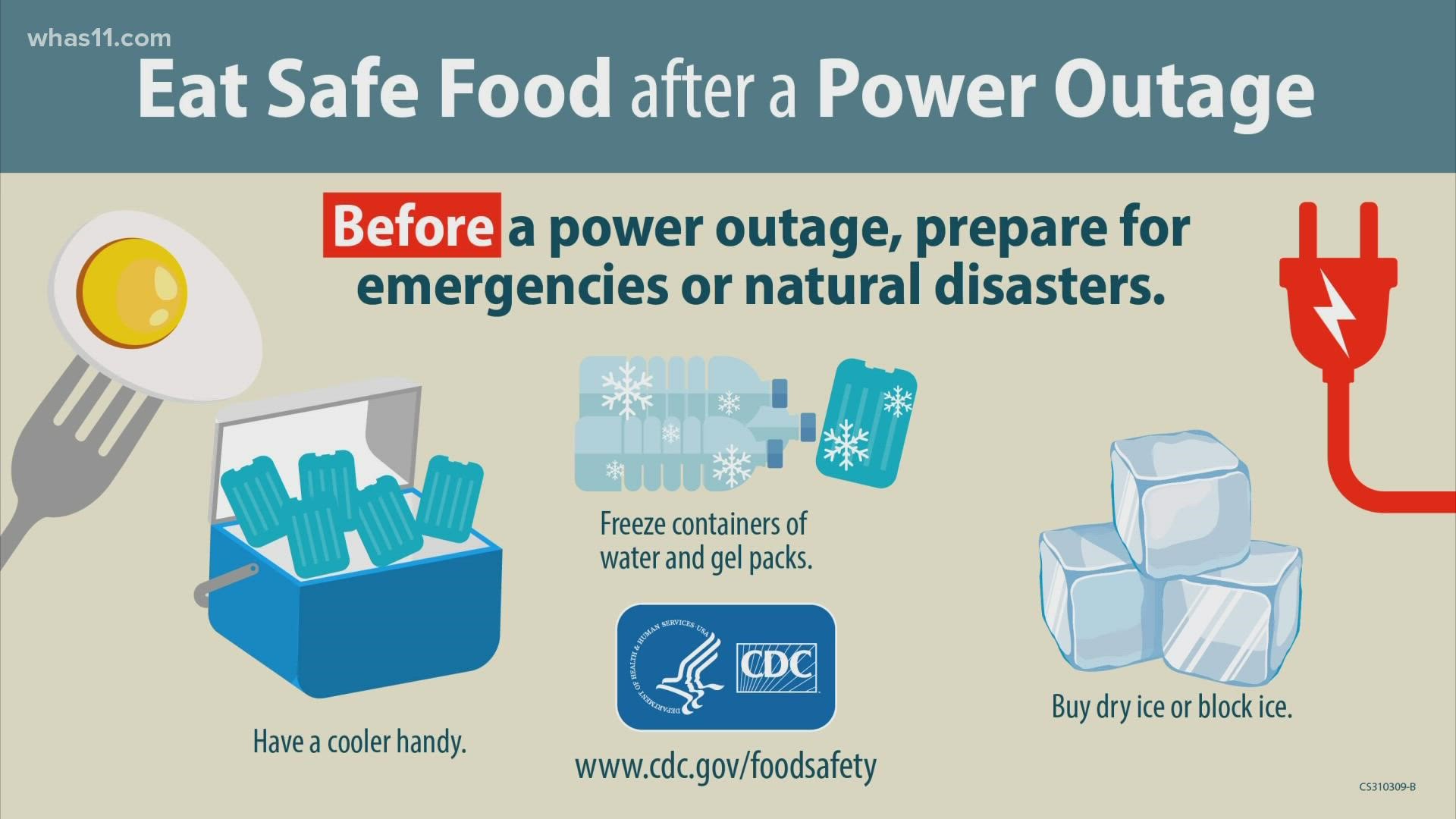
Now, your freezer is the real MVP here. A full freezer can keep food frozen for a whopping 48 hours! A half-full freezer will buy you about 24 hours. So, if you know a storm is coming, strategically place some water bottles in your freezer to fill it up and give yourself some extra breathing room. Think of it as freezer Tetris, but with delicious, temperature-sensitive consequences.
Opening Pandora's Box (Or Your Fridge Door)
Here's a crucial tip: resist the urge to peek! Every time you open the fridge door, you're letting out precious cold air. It's like opening a window in the middle of winter – lovely for a brief moment, but detrimental to the overall temperature. Treat your fridge like a vault – keep it sealed tight until the power returns.
I remember one time, during a particularly nasty ice storm, my family lost power for nearly 12 hours. We were bored, restless, and craving snacks. The fridge was calling to us like a siren. My dad, ever the optimist, declared, "Let's just take a quick peek! I bet everything's fine!" He flung open the door, and a wave of slightly-less-cold air wafted out. My mom, channeling her inner food safety expert, gave him the look. Needless to say, we ended up eating peanut butter sandwiches for dinner that night (and throwing out a questionable container of leftovers).
The Danger Zone and Your Delicious Destiny
The "danger zone" for food is between 40°F and 140°F (4°C and 60°C). This is where bacteria love to party, multiplying at an alarming rate and turning your perfectly good food into a potential health hazard. A food thermometer is your best friend in these situations. If your fridge has been without power for more than four hours and the temperature inside is above 40°F, it's time to start making some tough decisions.
Things like milk, meat, poultry, seafood, and cooked leftovers are the most vulnerable. When in doubt, throw it out! It's always better to be safe than sorry, especially when your health is on the line. Hard cheeses, butter, and some fruits and vegetables might be okay for a bit longer, but use your best judgment.
Think of it this way: you're not just throwing away food; you're preventing a potential stomach ache and a ruined weekend. Plus, you're making room for a fresh grocery run! Who doesn't love a good excuse to stock up on their favorite snacks?
Lessons Learned from the Fridge Apocalypse
Losing power is never fun, but it's a good reminder to be prepared. Keep some non-perishable food on hand, have a plan for what to do with your fridge contents, and invest in a good food thermometer. And remember, a full freezer is a happy freezer (and a happy you, when the power goes out).
Ultimately, the fridge is more than just an appliance; it's a guardian of our sustenance, a protector of our leftovers, and a silent witness to our midnight snacking habits. Understanding how long it can stay cold is a key to keeping your food safe and avoiding a kitchen emergency. So, the next time a storm rolls through, remember these tips, keep your fridge door closed, and hope for a quick return to power. And maybe, just maybe, order some pizza. After all, sometimes the best solution is the simplest (and the tastiest).
:max_bytes(150000):strip_icc()/refrigerator-fridge-freezer-temperature-guide-chart-2000-66f22b60c402495f8ab036c5e0fb234d.jpg)