Electric Vehicles (EVs) are zooming into our lives faster than ever before! Forget clunky milk floats, we’re talking sleek roadsters, family SUVs, and even electric trucks dominating the highways. But with this surge in popularity comes a burning question: How long does it *actually* take to charge one of these futuristic steeds?
Let's be honest, range anxiety is a real thing. Nobody wants to be stranded miles from home with a depleted battery. But the charging landscape is far more diverse and nuanced than you might think. Think of it like charging your phone – you wouldn't use the same charger for a tiny flip phone as you would for a state-of-the-art smartphone, right? EVs are the same!
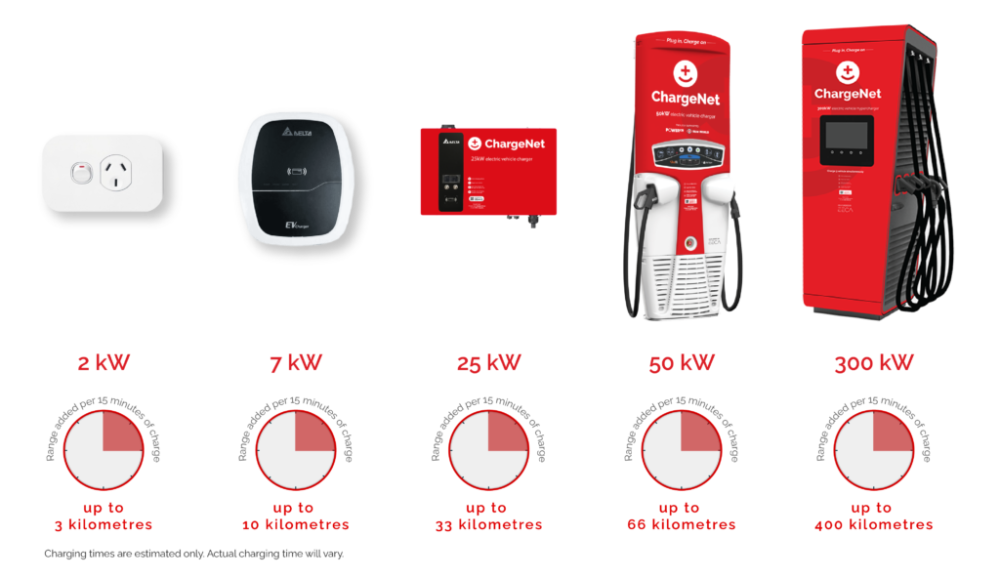
The charging time hinges on a few crucial factors: the size of the battery, the charger's power output, and the vehicle's charging capacity. Let's break it down. Imagine your EV's battery as a water tank. The larger the tank, the longer it takes to fill. The charger is like the tap – a bigger tap (higher wattage) fills the tank faster. But even with a massive tap, the tank can only handle so much water at a time, which is determined by the car's charging capacity.
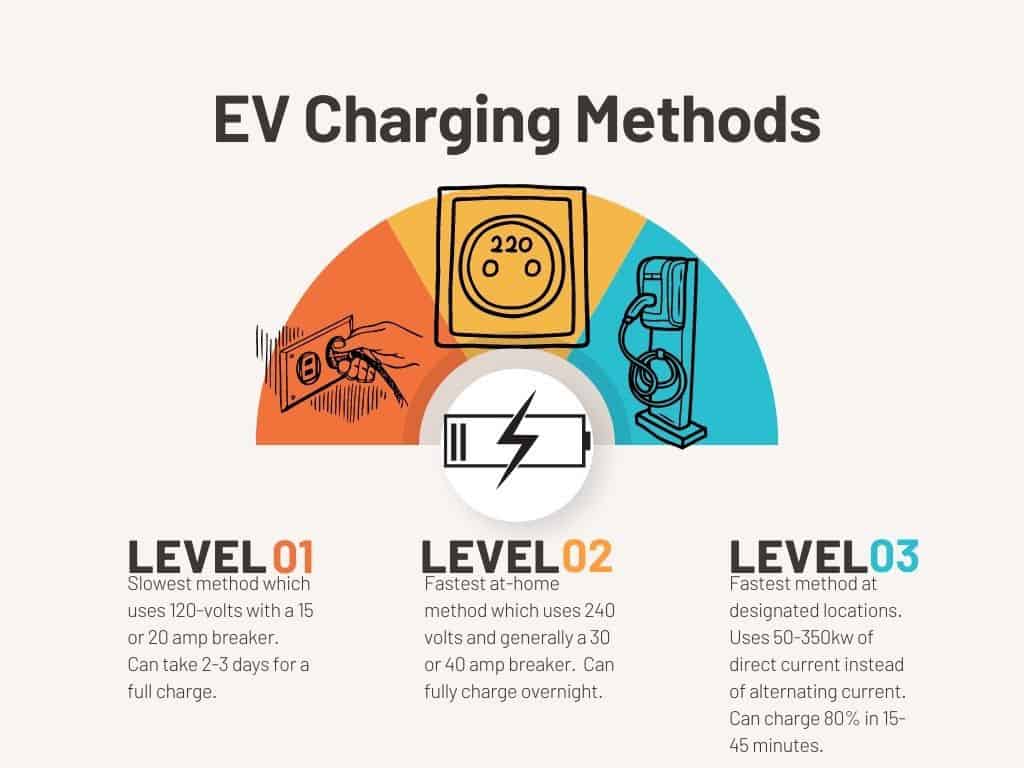
There are essentially three main charging levels:
- Level 1 (Standard Household Outlet): This is the slowest option, adding only a few miles of range per hour. Great for topping off, but not ideal for a full charge. Think of it as a slow drip.
- Level 2 (240-Volt Charger): This is the most common type of home charging station. It's significantly faster, adding anywhere from 10 to 40 miles of range per hour. It's like a decent garden hose.
- Level 3 (DC Fast Charging): This is the speed demon! These public chargers can add hundreds of miles of range in just an hour, sometimes even less. Think of it as a fire hydrant blasting water into your tank.
So, how long are we *really* talking? A complete charge on a Level 1 charger could take 12-24 hours for a smaller EV, while a Level 2 charger might cut that down to 4-8 hours. DC Fast Charging can get you from near empty to 80% in as little as 30 minutes, but bear in mind that charging slows down as the battery fills to protect its lifespan. Most people charge overnight using Level 2 at home and take advantage of fast chargers on longer road trips.
Tips for Maximizing Your EV Charging Experience:
- Plan ahead: Use apps to locate public charging stations and check their availability.
- Charge at night: Electricity rates are often cheaper during off-peak hours.
- Don't always charge to 100%: For daily use, charging to 80-90% can extend battery life.
- Keep your car plugged in: Especially in cold weather, this helps maintain battery temperature.
Ultimately, understanding EV charging is about embracing a new mindset. It's not about waiting for an empty tank before filling up; it's about topping off regularly, like charging your phone. And once you experience the smooth, silent ride and the satisfaction of reducing your carbon footprint, you’ll discover that the minor adjustments to your fueling routine are well worth it. The joy of driving electric is electrifying!