Ever wake up feeling like you’ve lived a whole other life, experienced incredible adventures, or solved complex problems... all while you were asleep? That's the magic of dreaming! We all do it, and whether we remember them vividly or not, dreams are a fascinating and essential part of being human. But how long does this nightly cinematic experience actually last?
Dreams aren't just random brain blips; they serve a crucial purpose. They're your brain's way of processing emotions, consolidating memories, and even rehearsing for future events. Think of them as a nightly software update for your mind. They can help us cope with anxieties, explore creative solutions to problems we're facing in our waking lives, and generally make sense of the world around us. Dreams allow us to experience things we might never do in reality, from flying through the air to having conversations with deceased loved ones. This can be incredibly therapeutic and cathartic.
You might find yourself dreaming about anything from a mundane trip to the grocery store to an epic battle against mythical creatures. Perhaps you're giving a presentation at work, acing an exam, or even just trying to find your keys! The possibilities are truly endless. Dreams are also a common source of inspiration for artists, writers, and inventors. Many famous works of art and scientific breakthroughs have been attributed to insights gained from dreams. Think of the sewing machine, supposedly conceived by Elias Howe in a dream where he was being attacked by spearmen whose spears had eye-shaped holes near the tips!
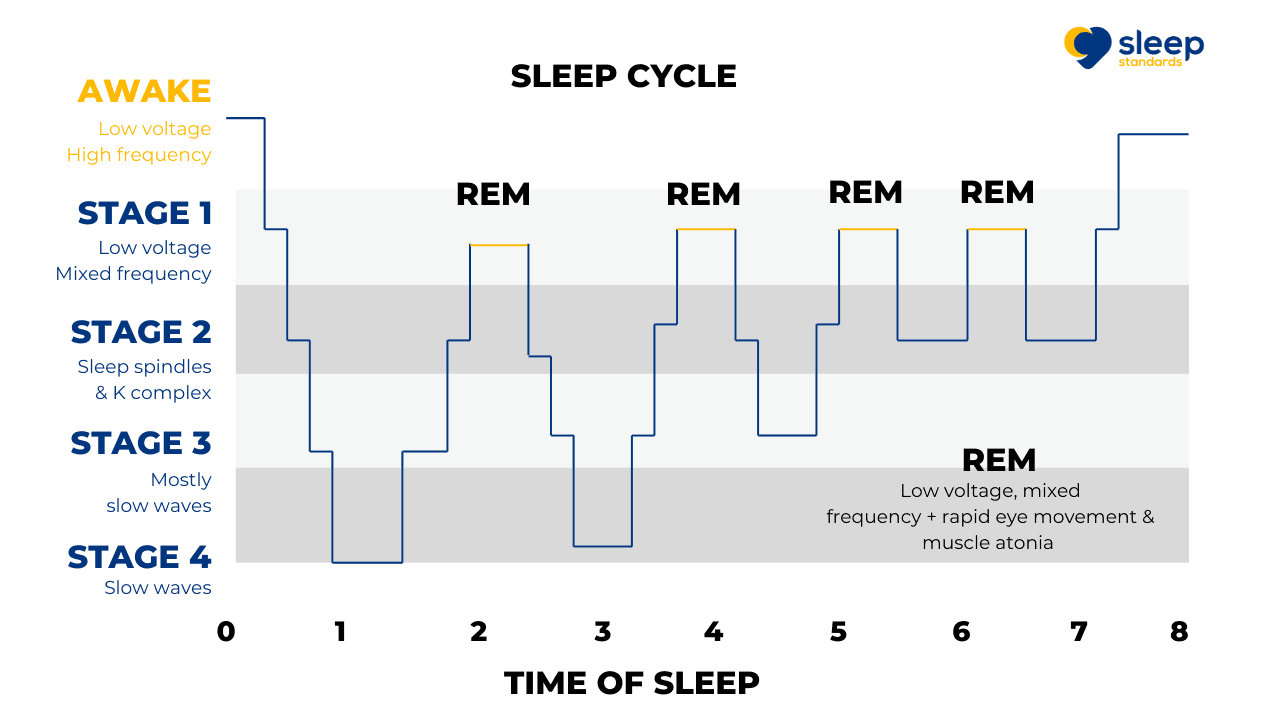
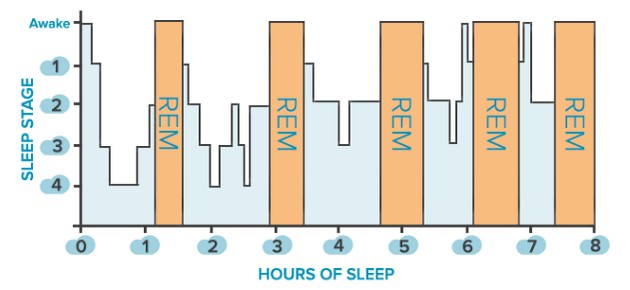
So, getting back to the initial question: How long do dreams typically last? The answer is a bit more nuanced than you might expect. We don't just have one long dream each night. Instead, we experience multiple dreams, usually during the REM (Rapid Eye Movement) sleep stage. These REM cycles get longer as the night progresses. The first dream might only last a few minutes, but the dreams you have just before waking up can last for as long as 30-45 minutes! The average total dreaming time per night is estimated to be around two hours. Isn't that amazing?
Want to enhance your dream experience and perhaps even remember them more vividly? Here are a few practical tips:
- Keep a dream journal: Write down your dreams immediately after waking up, even if you only remember fragments. This will help you train your brain to recall your dreams more easily.
- Practice reality checks: Throughout the day, ask yourself, "Am I dreaming?" and perform a small test, like trying to push your finger through your palm. If you make this a habit, you might start doing it in your dreams, which can lead to lucid dreaming (being aware that you're dreaming).
- Create a relaxing bedtime routine: A calming routine before bed can improve the quality of your sleep and your dreams. Try reading, taking a warm bath, or listening to soothing music.
- Avoid stimulants before bed: Caffeine and alcohol can disrupt your sleep cycles and make it harder to remember your dreams.
- Get enough sleep: A well-rested brain is more likely to have vivid and memorable dreams.
Ultimately, dreams are a window into our subconscious, a playground for our imagination, and a vital part of our overall well-being. By understanding more about them and taking steps to enhance our dream experience, we can unlock a deeper understanding of ourselves and the world around us. So, sleep tight, and sweet dreams!