Let's face it, needing a jump start isn't exactly on anyone's bucket list. It's usually accompanied by frustration, a frantic search for jumper cables, and a silent plea that a good Samaritan will appear. But instead of focusing on the minor inconvenience, let's reframe the question: How long *should* you jump a car battery? Because knowing the answer can transform a stressful situation into a quick fix, making you the hero of your own (or someone else's) stalled-out story.
For the artistically inclined, thinking about the process of a jump start can be surprisingly inspiring. Imagine the surge of energy, the connection between two distinct sources, the spark of life returning to a dormant system! This concept can be applied metaphorically to various creative pursuits. For writers, it could represent overcoming writer's block – that jump-starting moment when ideas begin to flow again. For musicians, it could be the spark of inspiration that leads to a new melody. Even for casual learners, the process offers a tangible example of basic electrical principles, turning a practical necessity into a learning opportunity.
Consider, for example, the artistic representation of "The Jump." A painter might depict the flow of energy between the cars using vibrant, contrasting colors. A sculptor could create a piece symbolizing the connection between the two batteries, perhaps using interlocking metal shapes. A digital artist could simulate the electrical current with mesmerizing light patterns. Subject matter could range from the utilitarian (a realistic depiction of the car and cables) to the abstract (a visual interpretation of energy transfer and renewed life).
So, how long should you actually jump a car battery? While the exact time can vary, a good rule of thumb is to let the running car charge the dead battery for at least 2-3 minutes before attempting to start the car with the dead battery. This allows a sufficient charge to build up. Once the stalled car is running, let it idle for at least 15-20 minutes to allow the alternator to properly recharge the battery. Remember, a jump start is a temporary fix; if your battery keeps dying, it's time to get it tested and potentially replaced.
Here are some tips for a safe and successful jump start at home:
- Always wear eye protection. Battery acid can be corrosive.
- Make sure both cars are turned off. This prevents any accidental sparks.
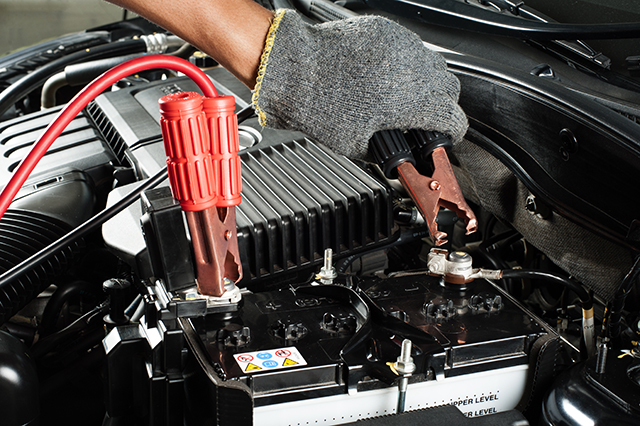
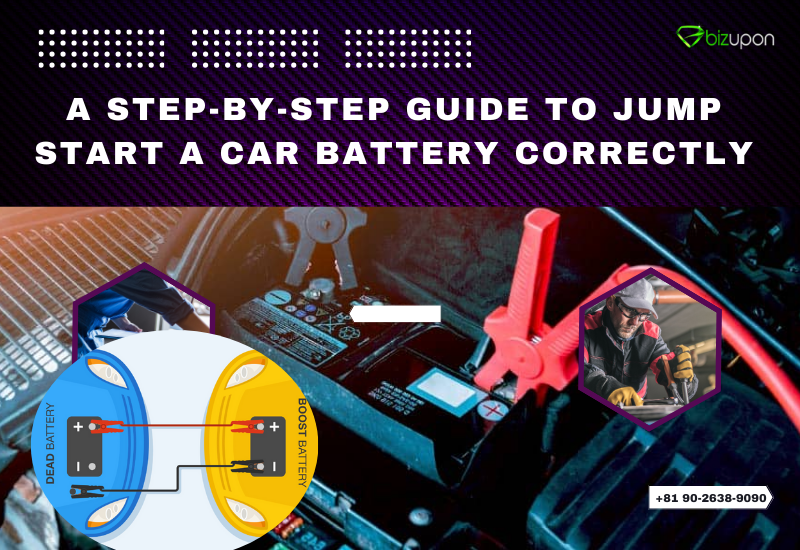
- Connect the jumper cables in the correct order. Red to positive (+), black to negative (-), and the final black clamp to a grounded metal surface away from the battery.
- Avoid letting the clamps touch each other. This can cause a dangerous short circuit.
- Consult your owner's manual. Specific instructions may vary depending on your vehicle.
Beyond the practicalities, there's a certain satisfaction in successfully jump-starting a car. It's a tangible accomplishment, a mini-victory over a mechanical challenge. It's the feeling of competence, of being able to solve a problem and get things moving again. And who knows, maybe it will even inspire you to create your own artistic interpretation of "The Jump," fueled by the spark of a (hopefully) one-time event.